Ama Dablam Expedition – Beauty, Precision & Technical Challenge

Ama Dablam Expedition – Beauty, Precision & Technical Challenge

based on Reviews
based on 120 Reviews on Google
US$7860 US$7150 /pp

+977 9841239938

info@himalayansummitclub.com     himalayansummitclub@gmail.com
Destination
Nepal
Region
Everest Region
Start/End Point
Kathmandu / Kathmandu
Activity
Expedition
Duration
31 Nights 32 Days
Group Size
2-8
Accommodation
Lodge + Camping
Grade
Technical Challenging
Max.Altitude
6812m
Meals
Breakfast + Lunch + Dinner
Transport
As Per Itinerary

Overviews

Ama Dablam Expedition (6,812m) – Technical Climb in the Everest Region, Nepal

The Ama Dablam Expedition (6,812m) is one of the most iconic and technically demanding mountaineering adventures in Nepal. Located south of Mount Everest (8,848m) in the Khumbu region, Ama Dablam is widely regarded as one of the most beautiful and aesthetic peaks in the Himalayas.

With its elegant pyramid shape, exposed ridgelines, and steep mixed terrain, Ama Dablam offers a true high-altitude alpine climbing experience. This expedition combines technical rock climbing, snow and ice sections, and dramatic exposure — making it a dream objective for experienced mountaineers worldwide.

Expedition Overview

Duration: 32 Days

Region: Everest (Khumbu), Nepal

Summit Height: 6,812m

Climbing Style: Expedition-style with fixed camps

The expedition begins in Kathmandu, followed by a scenic mountain flight to Lukla. The approach trek follows the classic Everest Base Camp trail through traditional Sherpa villages and the heart of the Khumbu Valley.

Acclimatization & Approach Trek

Proper acclimatization is critical for success on Ama Dablam. The gradual ascent includes trekking through:

  • Namche Bazaar (3,440m) – Gateway to Everest
  • Tengboche Monastery (3,867m) – Spiritual center of the Khumbu
  • Dingboche (4,410m) – Key acclimatization stop

Acclimatization hikes include:

  • Nangkartshang Peak (5,083m ridge depending on route)
  • Everest Base Camp (5,364m)
  • Kala Patthar (5,545m)

From Kala Patthar, climbers enjoy panoramic views of Everest, Lhotse, Nuptse, Pumori, Lobuche Peak, and Ama Dablam itself.

After full acclimatization, the expedition proceeds to Ama Dablam Base Camp (4,570m).

Climbing Ama Dablam – Route & Camp Structure

The Ama Dablam Expedition follows the Southwest Ridge, considered one of the most technical standard routes among Himalayan peaks below 7,000 meters.

Camp Structure:

  • Base Camp – 4,570m
  • Camp I – 5,700m (Rocky ridge platform)
  • Camp II – 6,000m (Below the Yellow Tower)
  • Camp III – 6,300m (Exposed position beneath the Dablam glacier)
  • Summit – 6,812m

Climber’s complete rotation climbs to higher camps before the final summit push.

Technical Highlights

The Ama Dablam route features:

  • Steep rock-climbing sections
  • Mixed snow and ice terrain
  • Narrow exposed ridgelines
  • Fixed-line ascents
  • The Famous Yellow Tower (approx. 6,100m) — a steep and technical rock pitch above Camp II requiring confident multi-pitch rock climbing ability

The Yellow Tower is one of the crux sections of the climb. Climbers must be comfortable ascending fixed ropes on near-vertical rock at high altitude while managing exposure and transitions between terrain types.

Above Camp III, steep snow slopes and a narrow summit ridge led to the breathtaking summit of Ama Dablam.

Summit success depends on weather conditions, route safety, and team performance.

Technical Level & Requirements

The Ama Dablam Expedition is suitable for climbers who:

  • Have prior 6,000m experience
  • Are confident using crampons and ice tools
  • Have experience climbing fixed lines
  • Understand basic Rock & Ice Climbing techniques
  • Possess strong endurance and mental resilience

Ama Dablam is often considered an excellent progression climb toward 7,000m and 8,000m Himalayan expeditions.

Cultural & Scenic Experience

Beyond the technical challenge, this expedition offers a rich cultural journey through Sherpa villages, Buddhist monasteries, and the legendary Khumbu region.

The expedition combines:

  • Technical alpine climbing
  • High-altitude acclimatization
  • Scenic Himalayan trekking
  • Sherpa culture and mountain heritage

It is one of the most complete mountaineering adventures in Nepal.

Why Climb Ama Dablam with Himalaya Summit Club?

Himalaya Summit Club provides professional expedition leadership with certified IFMGA / NNMGA Mountain Guides and experienced Sherpa climbers.

Our expedition services include:

  • Structured acclimatization strategy
  • Fixed rope coordination
  • Luxury Base Camp Service
  • High camp logistics
  • Safety-focused summit decisions
  • Strong base camp support
  • Professional expedition management

We prioritize safety, professionalism, and responsible Himalayan mountaineering.

“Train in the Himalayas. Climb the Icon”

The Ama Dablam Expedition is not just a climb — it is a defining milestone in a mountaineer’s journey.

Join Himalaya Summit Club for a professional, well-supported, and technically rewarding ascent of one of the world’s most beautiful mountains.

📍 Everest Region, Nepal

🗻 Ama Dablam (6,812m)
 

Trip highlights of Ama Dablam Expedition – Beauty, Precision & Technical Challenge

  • Explore the natural and cultural heritage of the Khumbu region
  • See the panoramic views of the Himalayas
  • Set out on challenging hikes Nagarjun peak (5,000 m) and Kalapatthar (5,545 m)

  • Visit the famous Tengboche and Pangboche monastery
  • Reach the summit of Mount Ama Dablam (6,856 m)

Travel Itinerary

Your arrival in Nepal is marked by the astounding Himalayan scenes. After landing at the Tribhuvan International Airport, a representative from Himalaya Summit Club will receive you and guide you to your hotel. Overnight stay at a hotel in Kathmandu.

We will need a couple of days to get your permits and other documents ready. As the climbing of Ama Dablam is an expedition, it also requires expedition permits with numerous other official formalities to be done as well. Meanwhile, you can enjoy some sightseeing around the valley.The valley is home to seven UNESCO enlisted world heritage sites. Pashupatinath, Boudhanath, Swayambhunath, Changunarayan, and the durbar squares in Kathmandu, Bhaktapur, and Lalitpur are the prime destinations to explore in these two days. Overnight stays at a hotel in Kathmandu.

Today, you take a scenic flight over the high mountains and reachLukla. The landing on the Lukla Airport itself will be one of the most thrilling adventures in your life. You meet the rest of the crew at the airport and head to the hotel. Later, you can explore the Sherpa settlements in Lukla and get glimpses of the journey that lies ahead. Overnight stay at Lukla.

The trek begins from today. Leaving Lukla,you follow a gentle climb to the mountainside and move towards Phakding.From Phakding,the trail follows Dudh Koshi River and passes through the pine forest.Along the way, you get to see the views of Everest (8,848), Nuptse (7,861m), and many other peaks.At last, you makea final steep climb to reach the picturesque village of Namche. Overnight stay at Namche Bazaar.

Duration: 5-6 hours

You have gained high altitude in a short period of time that is why you take this day for acclimatization. During your stay in Namche, you can check out the local shops, restaurants, museums, and monasteries.If you wish, you can also go on short hikes to Khumjung, Khunde, and Everest View Hotel. All the destinations are marvelous on their own rights and showcase the brilliance of the Everest region. Overnight stay at Namche Bazaar.

From Namche, you head towards Debuche. The trail from Namche to Phunki Tengapasses through several villages andbeautiful pine forests. From Phunki, the trail ascendsrapidly and takes you to Tengboche. In Tengboche, you can find thelargest monasteryof the Khumbu region.From there the trail descends downhill through the rhododendron and birch forests and takes you to Debuche.Overnight stay at Debuche.

You cross Imja Khola today and proceed towards Pangboche.The trail ascends uphill providing scenic views of the snow-capped mountains. You can also spare some time to visit the Pangboche Monastery.Later, you advance towards Imja valley and cross Lobuche Khola before making the final ascent to Dingboche.Overnight stay at Dingboche.

This is another day for acclimatization. On this day, you hike to NangkarTshang Peak (5,016m)from where you can see some breathtaking views of the Himalayas in the Everest region. The hike is quite difficult being on a high altitude so you need to take some good rest before the start. Around Dingboche, you can also visit the Nangkartshang Monastery in the outskirts of the village. In the evening, you return to Dingboche.Overnight stay at Dingboche.

Today’s trek begins with a gentle climb away from Dingboche above Pheriche valley.You ascend up a ridge and contour around the base of Khumbu glacier then climb the Thukla pass (210m). You can see many prayer flags and memorials here dedicated to the people who lost their lives while climbing the Himalayas.The trek then continues alongside the terminal moraine and takes you to Lobuche.

The trail moves parallel to the glacial moraine.The walk to the Everest Base Camp is strenuous due to the thin air in the high altitude. The path is covered with rocky moraines and glacial dunes. After arriving at the Everest Base Camp, you take some time to rest and enjoy the fabulous surrounding mountain views. The Khumbu Icefall and Glacier also provide mesmerizing sceneries from the base camp. Later,you follow the trail back to Gorakshep. Overnight stay at Gorakshep.

Early in the morning, you head towards Kalapatthar viewpoint. It is a wonderful spot to witness the sunrise and enjoy the panoramic views of the mountains including the Mt. Everest (8,848m), Lhotse (8,516m), Cho Oyu (8,188m), Ama Dablam (6,856m), and many other peaks. You spend some time in Kalapatthar and then head back to Gorakshep for breakfast. From Gorakshep,you follow the trail back to Lobuche and then head downhill to reach Pheriche.

You leave Pheriche and cross the bridge over Khumbu Khola. The trail heads towards Orsho and keepsheading downhill until Pangboche. On the way, you can see the views of AmaDablam (6,856 m) and Nuptse(7,861 m). Trekking along the Imja River, you pass Somare and go past a trail of monasteries as you near Pangboche. Overnight stay at Pangboche.

Duration: 4-5 hrs.

Today, you cross Imja Khola and start the heading towards Ama Dablam Base Camp.The trail is isolated and provides stunning views of the AmaDablam (6,856 m), Lhotse (8,516m),Nuptse (7,861m), Lobuche peak (6,119), Mt. Pumo Ri (7,165m), and many other peaks. Upon arrival at the base camp, you take some rest and prepare your body for the climb. Overnight stay at Ama Dablam Base Camp.

Duration: 6-7 hours

As the expedition officially kicks-off, the topmost priority on the climb is to always be careful and maintain a steady pace on the ascents. The climbing period lasts for 21 days and begins with an ascent to Camp I (5,700m). The climb to the first camp on the Ama Dablam expedition also requires skillful use of equipment and passing through snowy paths and slopes.

The ascent to Camp II also has to be done with the help of expert guidance and equipment. With the help of fixed lines, ropes, and ascenders to reach Camp II. Finally, from Camp II, the journey to Camp III also demands the use of mountaineering equipment and perform numerous ascents and descents.

The final climb to the summit of the Ama Dablam (6,856m) is relatively easier and can be less taxing than the ones made before. The summit of one of the most beautiful mountains in the world, Ama Dablam (6,856m), offers a stupendous grandeur of the Himalayas including the Mt. Everest (8,848m) and numerous others. Later, you descend back to the Ama Dablam Base Camp. Overnight stays at tented camps.

After a successful ascent of Mount Ama Dablam, you take the route from Pangboche to Namche Bazaar. The trail takes you through the narrow path and passes through Phortse. Later, you descend to Dudh Koshi River and cross it before making a steep ascent to arrive at Namche Bazaar.Overnight stay at Namche Bazaar.

Today is the final day of trekking. The descent from Namche to Lukla can be one of the toughest challenges in this trek. Even though the path is downhill, there are difficult slopes which impact directly on your knees. The trail goes through the rhododendron and pine forests and passes many Sherpa villages like Monjo, Jorsalle, and Chheplung on the way.Overnight stay at Lukla.

Duration: 5-6 hours

You take an early morning flight from Lukla and return back to Kathmandu. After having shared the scenes with the Everest region for over four weeks, you will leave the mesmerizing Himalayas to return to the capital. You will have plenty of time spare in Kathmandu which you can utilize doing sightseeing or souvenir shopping.Overnight stay at a hotel in Kathmandu.

Duration: 35 minutes flight

As you prepare to make way to your destination, a Himalaya Summit Club staff will take you to the Airport. We wish you a safe journey and expect to see you soon.

Want a trip tailored just for you?
Customize Trip

What's Included

Cost Includes
  • All arrival and departure transfers to and from Airport both domestic and international.
  • 4 Nights 3 star category Hotel accommodations in Kathmandu on BB Plan as per itinerary.
  • Lead Mountain guide (IFMGA/UIAGM Guide)
  • Flight tickets for Kathmandu-Lukla-Kathmandu to the climbing member, guide and Kitchen Crew.
  • Complete camping setup with dining & kitchen tents, chairs and tables in Advance Base Camp.
  • Necessary shower and toilet tents, individual member tents in BC.
  • One each tent for member & Sherpa sharing in Camp 1.2, & 3.
  • Solar panel/generator for light and battery charge in Base Camp.
  • Three meals a day (BLD-tea-coffee) and twin sharing teahouse accommodation during trek.
  • Freshly cooked hot meal and Base Camp, prepared by cook.
  • 20 kg personal baggage while trekking
  • Expedition royalty and climbing permit for climbing Mt. Ama Dablam (6,856m).
  • Fully paid government appointed liaison officer in the team.
  • Necessary kitchen staffs BC.
  • Medical, accidental, and search and rescue Insurance for all involved local staffs.
  • All rope fixing and icefall management charges levied in the Expedition.
  • Emergency oxygen mask and regulator for medical purpose only.
  • First Aid medical kits for the Group and the staffs.
  • Our service charge and Government Taxes levied in Nepal.
  • Complete pre-departure information.
  • Farewell Dinner in a typical Nepali restaurant with domestic culture show in Kathmandu.
Cost Excludes
  • Lunch and Dinner during your stay in Kathmandu (except farewell dinner).
  • Items of personal nature and laundry expenses.
  • Expenses by usage of landlines, mobiles, walkie-talkies or satellite phone and Internet.
  • Clothing, packing items or bags, personal medical kit, camera/video fees or trekking gears.
  • Any extra expenses arising out of various/unforeseen situations like natural calamities, landslides, political disturbances, strikes, change in Government regulations, etc.
  • Any additional staff other than specified.
  • Summit bonus for climbing Sherpa up to camp 3 and above (Minimum US$ 500.00)
  • Rescue, medicines, medical tests and hospitalization expenses of the member.
  • Medical and travel Insurance with helicopter search and rescue.
  • Permits for walkie-talkies & filming if special camera.
  • Personal climbing gears.
  • Nepal custom duty for import of expedition goods.
  • Tips, gifts, souvenirs.
  • Any other item not mentioned in “THE PACKAGE COST INCLUDES” section

Depature Dates

Start:Sunday
October 11, 2026
End:Tuesday
November 10, 2026
Price:
$7150
Status:
Available
Start:Monday
April 05, 2027
End:Wednesday
May 05, 2027
Price:
Contact Us
Status:
Available
Start:Monday
October 11, 2027
End:Wednesday
November 10, 2027
Price:
Contact Us
Status:
Available

Equipment List

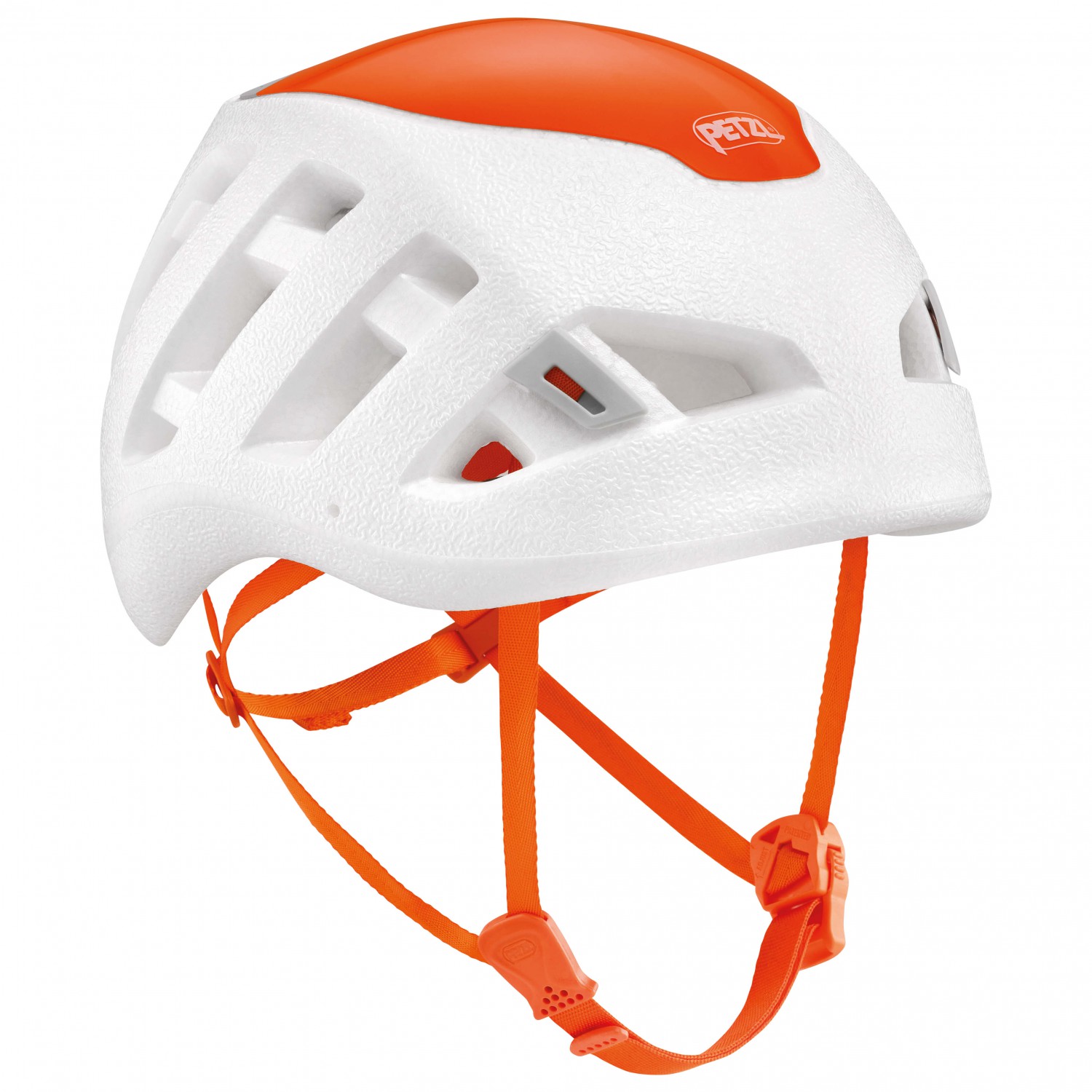
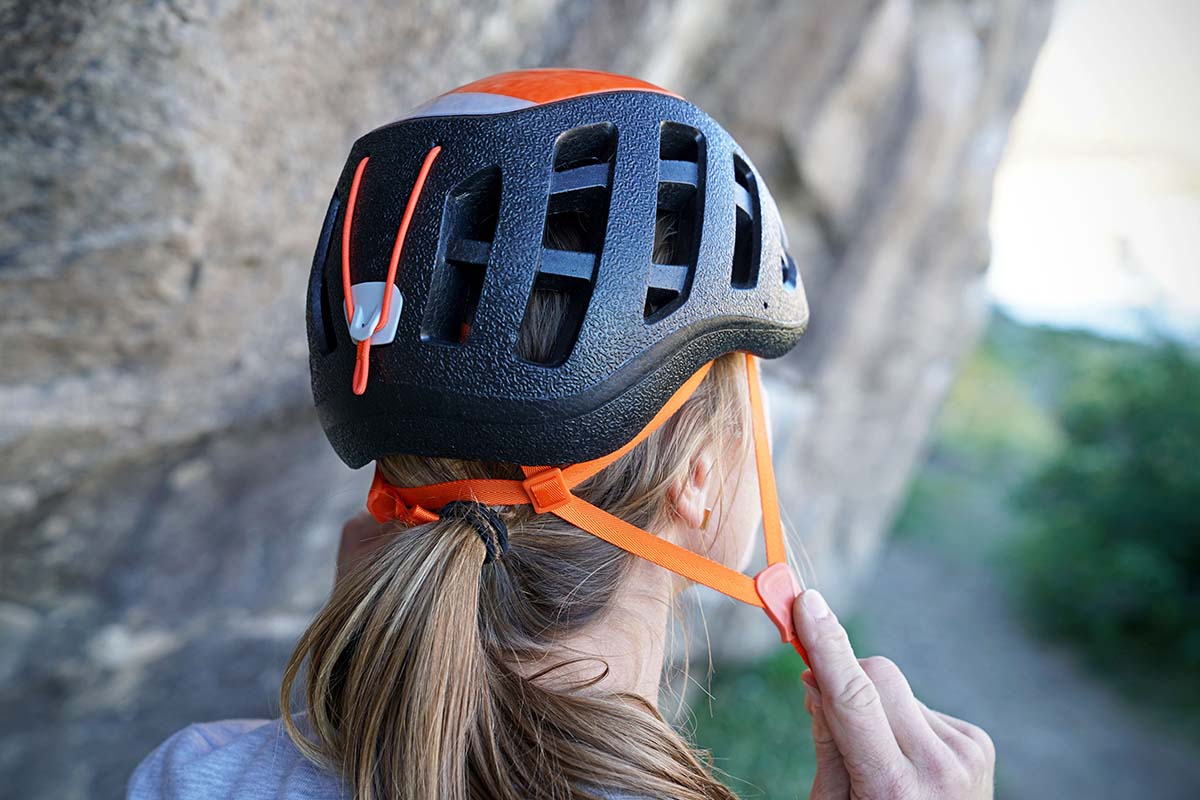
Helmet

For a 7000m peak expedition, the ideal helmet should prioritize minimal weight to reduce fatigue at high altitude, strong durability for protection against rockfall and impacts, and—crucially—sufficient internal space to comfortably accommodate warm headwear such as balaclavas or beanies underneath.

Recommend: Petzl Sirocco or Black Diamond Vision Mips

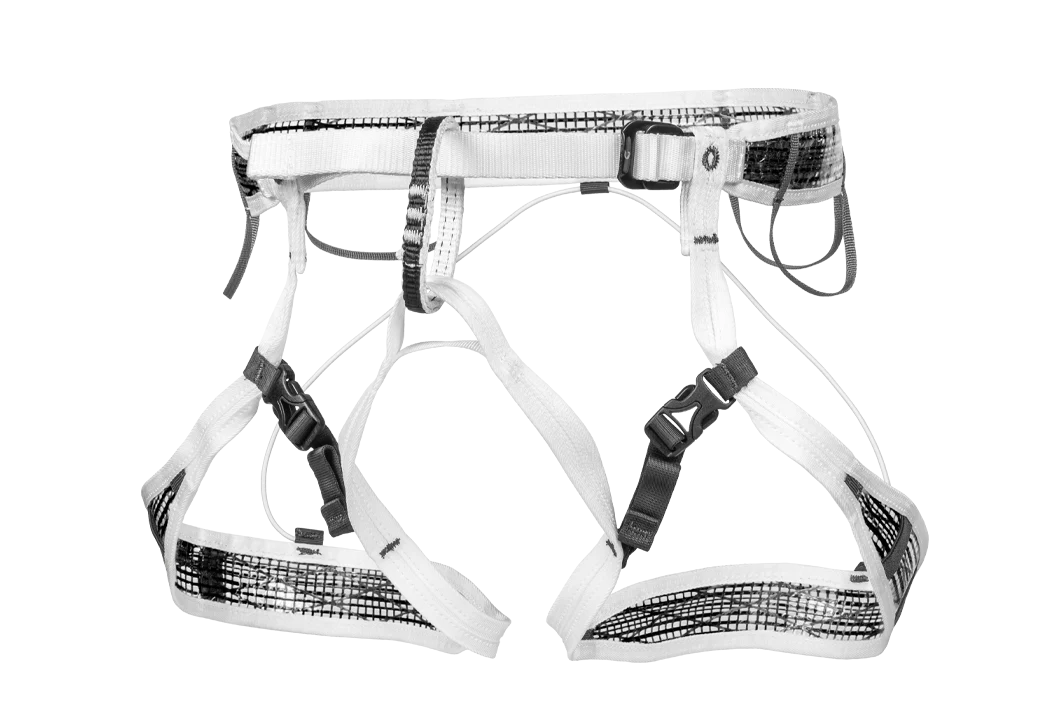
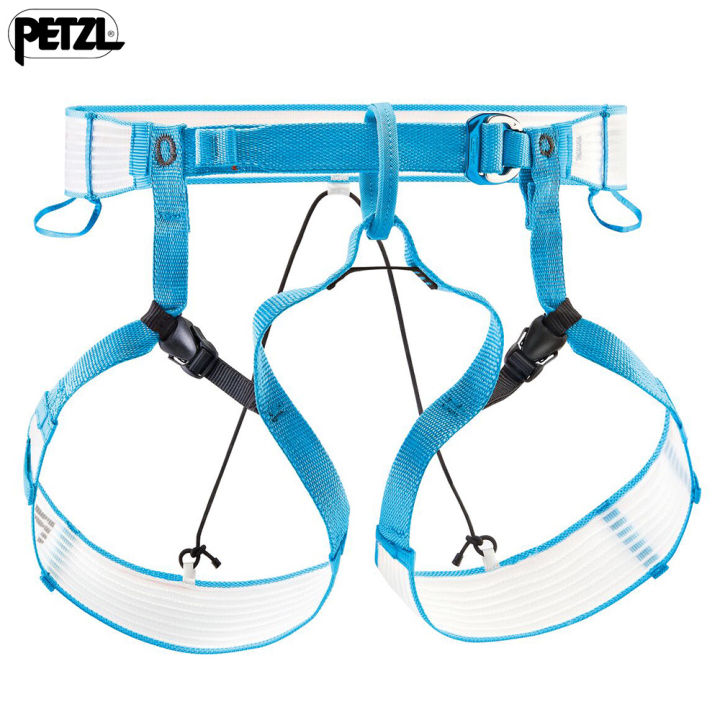
Alpine Harness

For a 7000m peak expedition, an adjustable alpine harness ensures a secure fit over layers, with adaptable waist and leg loops. A slightly thicker waist belt adds comfort during longer hangs, while a lightweight, durable design is essential.

Recommended: Petzl Altitude (ultralight) or Grivel Himani

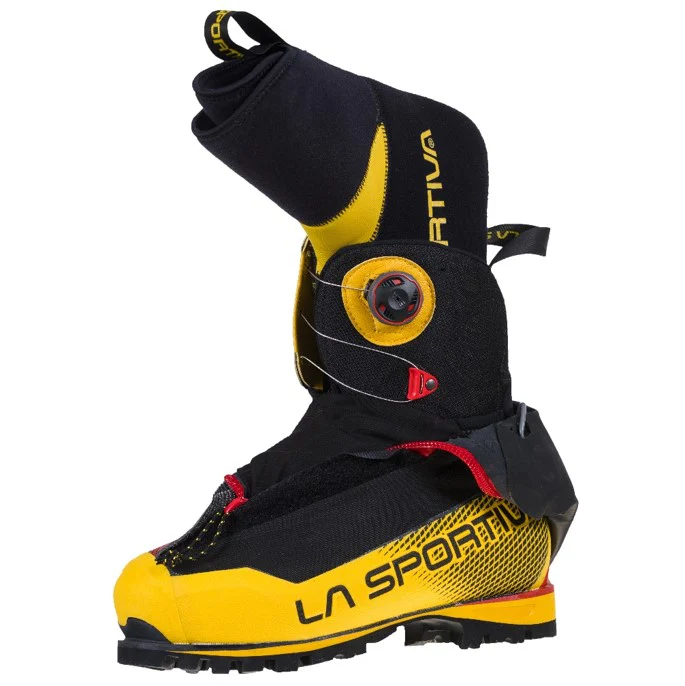
Climbing Boot

A double boot features a removable insulated inner boot and a durable outer shell with integrated sole and gaiter, designed for high-altitude expeditions on glaciated 7000m peaks. The inner boot can be removed to dry inside a sleeping bag or in the sun, helping maintain warmth over multiple days.

Recommended options:

La Sportiva G2 – lightest and warmest, BOA system (premium)
Scarpa Phantom 6000 – lighter, suitable up to 7000m, slightly less warm

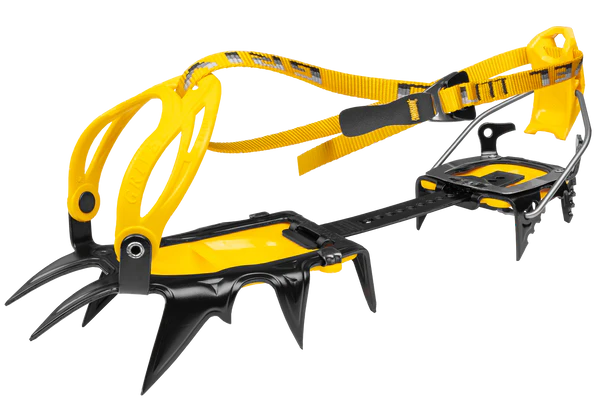
Crampons

For a 7000m peak expedition, crampons provide essential traction on snow and ice for safe movement in alpine terrain. Lightweight steel 12-point crampons with horizontal front points offer the best balance of durability and stability on mixed terrain (snow, ice, and rock).

Recommended models:

Petzl Vasak – lightweight, reliable all-round mountaineering
Black Diamond Sabretooth – versatile and durable on mixed terrain
Grivel G12 – classic, robust, and dependable for high altitude

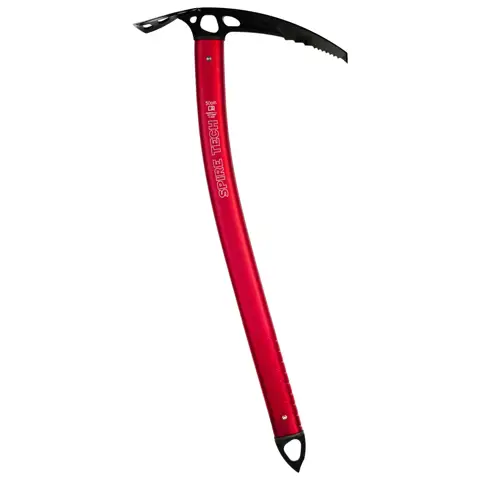
Ice Axe

An ice axe is a key mountaineering tool used for balance, self-arrest, and climbing on snow and ice. For 7000m peaks, a lightweight, slightly curved (semi-technical) axe is recommended, as it allows better performance on steeper sections where fixed ropes may not be present. Length should be chosen based on your height and terrain.

Recommended models:

DMM Vertex – lightweight, technical, and versatile
Black Diamond Raven Pro – light and reliable for general mountaineering

Carabiners

Both HMS (pear-shaped) and auto-locking carabiners are essential for a 7000m expedition, serving complementary roles in high-altitude mountaineering.

HMS carabiners are ideal for belaying, Munter hitch use, rappelling, and anchor management due to their large, rounded shape. Auto-locking carabiners are highly recommended in cold environments, as they reduce the risk of accidental opening when screwgates freeze or loosen, and are easier to handle with gloves.

For 7000m peaks, carry a combination of both, prioritizing reliability and ease of use with mittens.

Recommended: Petzl Attache or DMM Boa
Quantity: 3–4 pieces

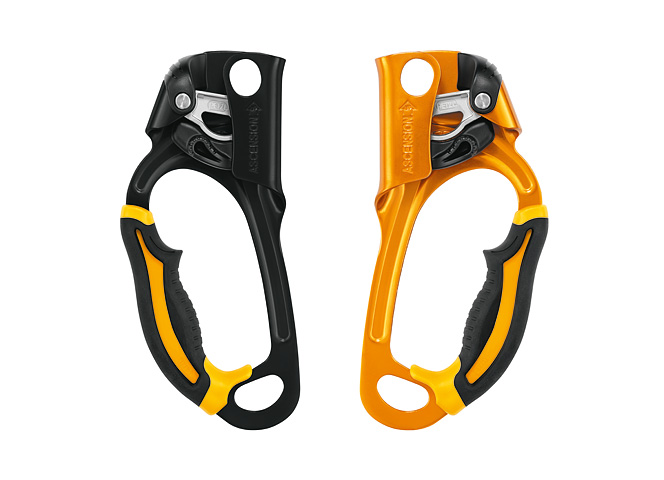
Jumar (Ascender)

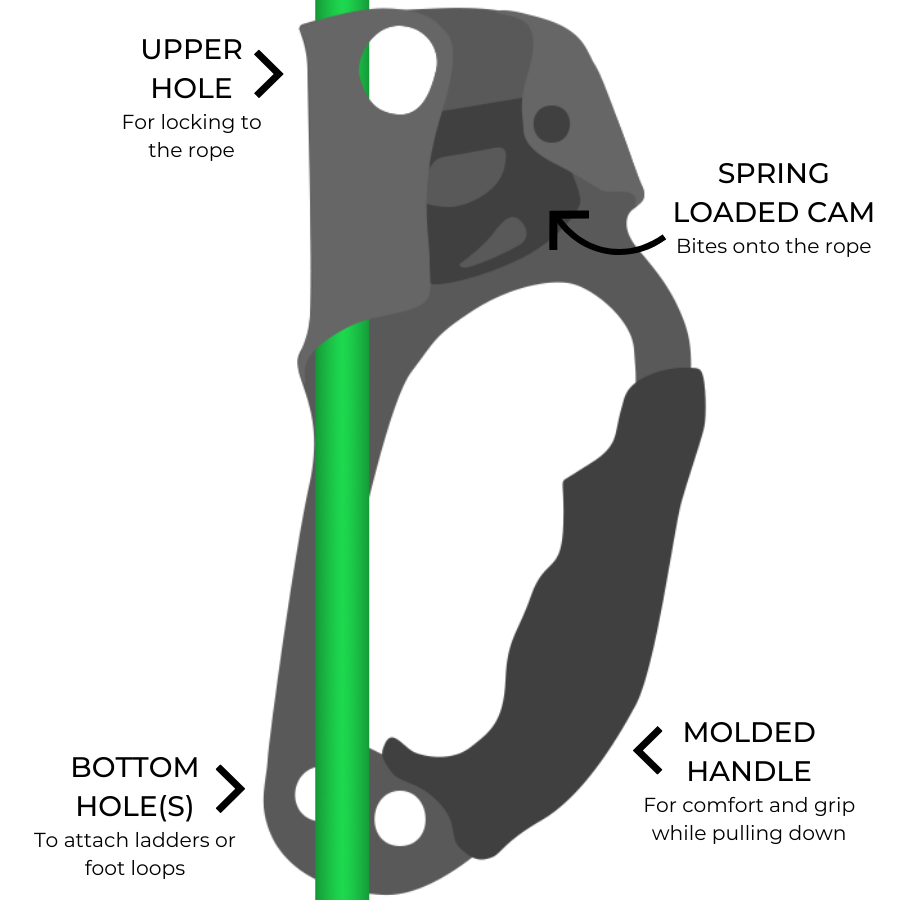
A jumar is a mechanical climbing device used to ascend a rope. It features a cam that grips the rope when weighted, allowing safe and efficient movement on fixed ropes and steep terrain.

Jumars are designed specifically for left-hand and right-hand use, and it is important to use the correct one in each hand for proper technique and safety. Typically, climbers use one in each hand for balance and efficient upward movement during mountaineering and rope work.

Belay Device

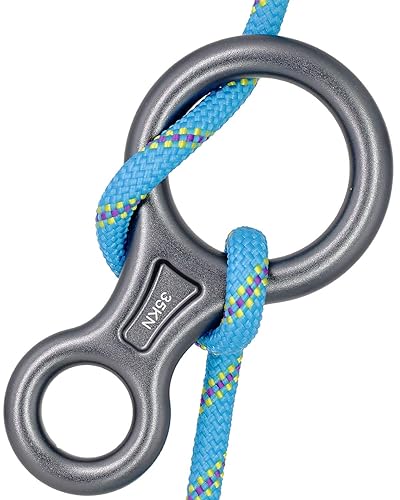
A compact metal device used to control the rope during belaying or rappelling. It provides friction to safely manage a climber’s fall, lower a partner, or descend in a controlled manner. Suitable for both single and double ropes depending on the device type.

You may choose a device that you are most comfortable using, such as an ATC Guide (with guide mode) or a Figure of Eight or Petzl Reverso

8MM Rope

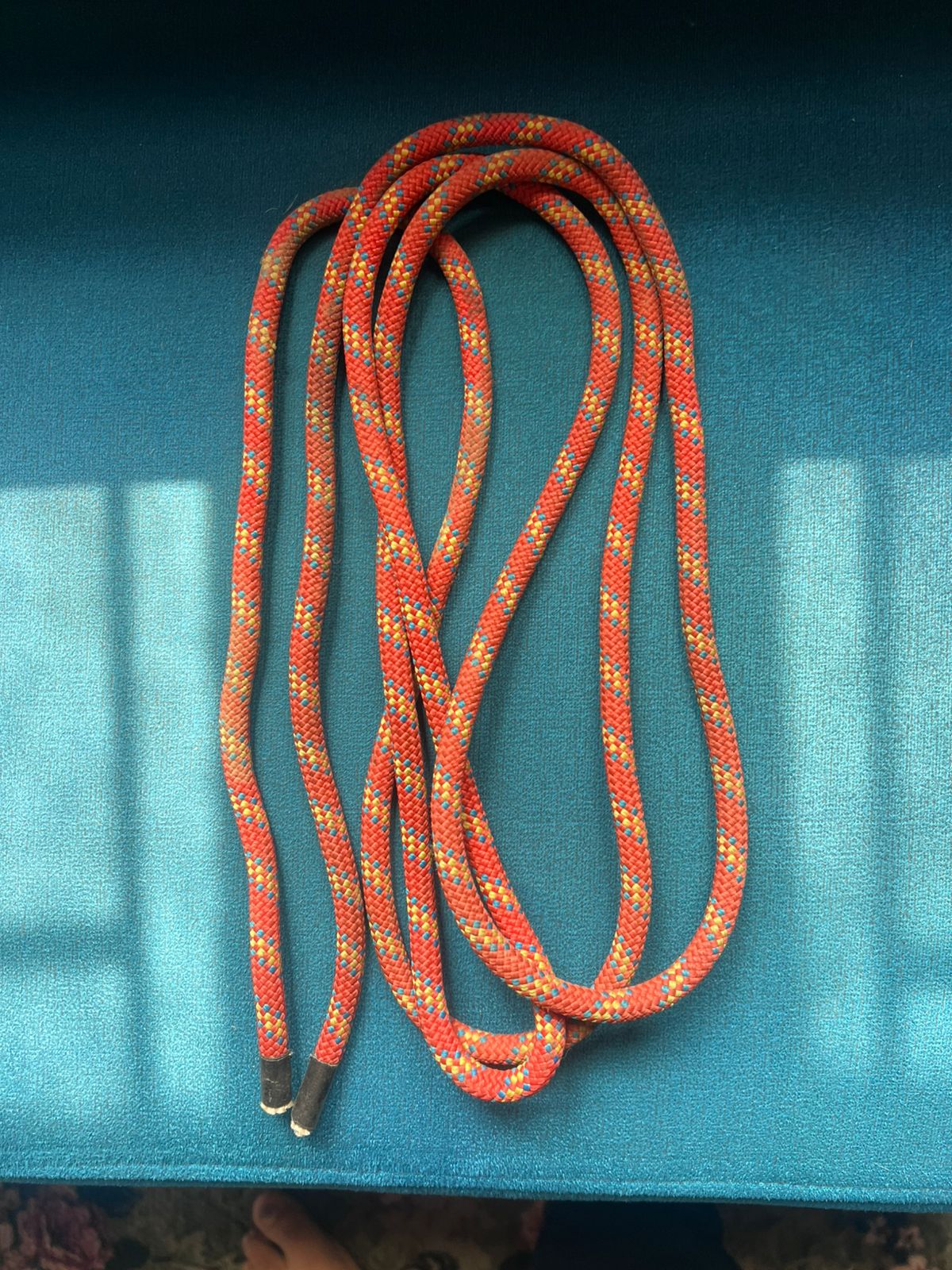
3 m long 8–9 mm dynamic rope for personal use, and a short rope for safety backup during jumaring and technical sections.

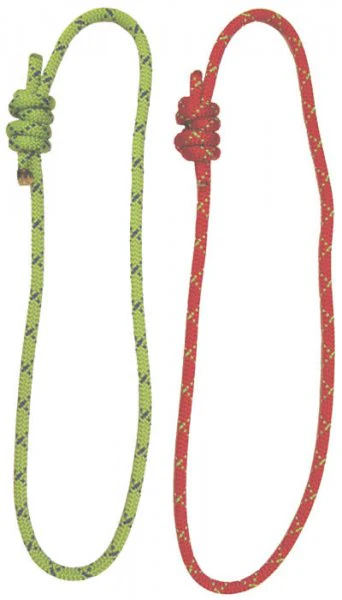
Prusik Rope 7mm

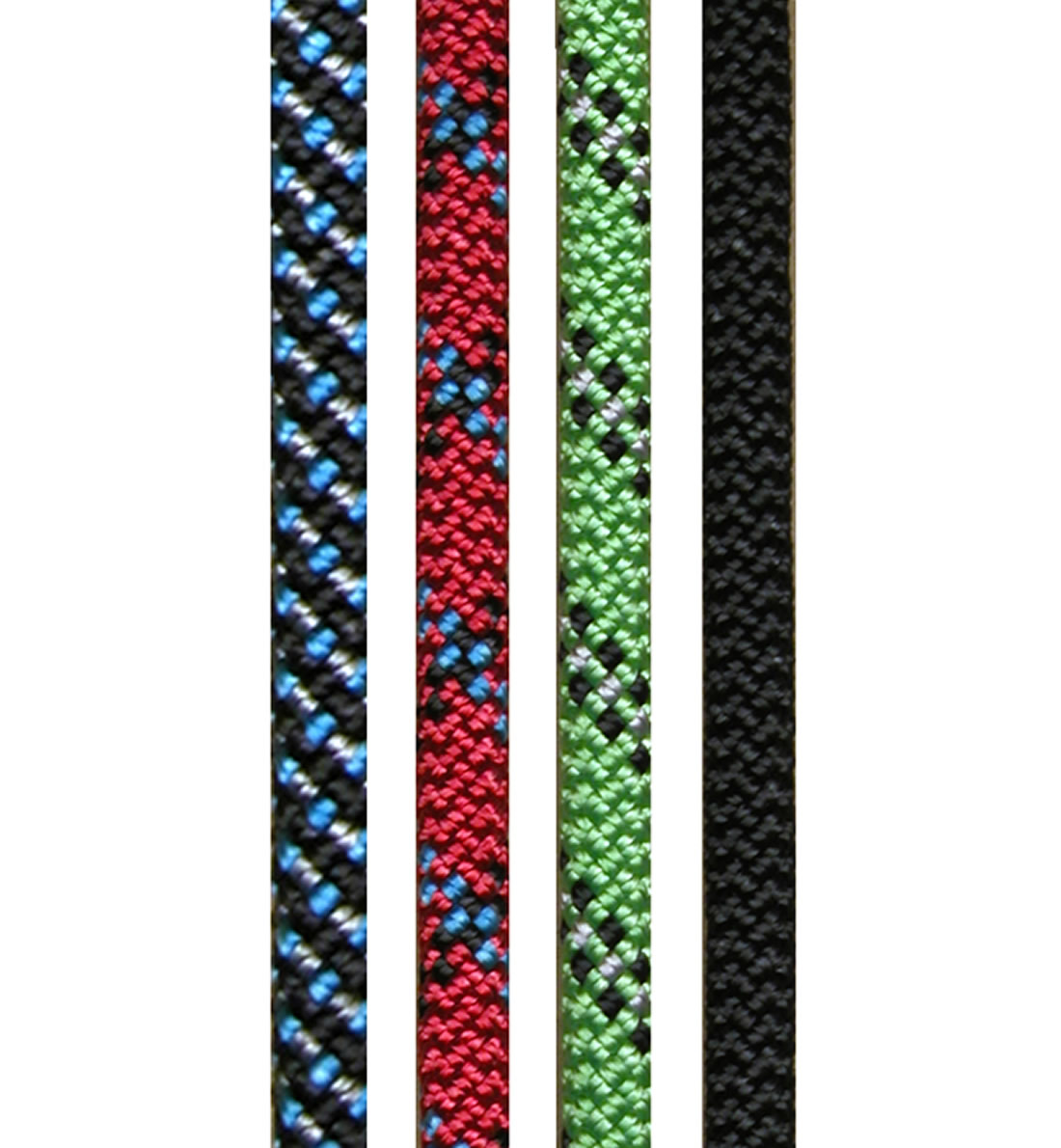
Prusik Rope – Small-diameter cord used for backup, ascending, self-rescue, or creating friction on a fixed rope. 3 meters around

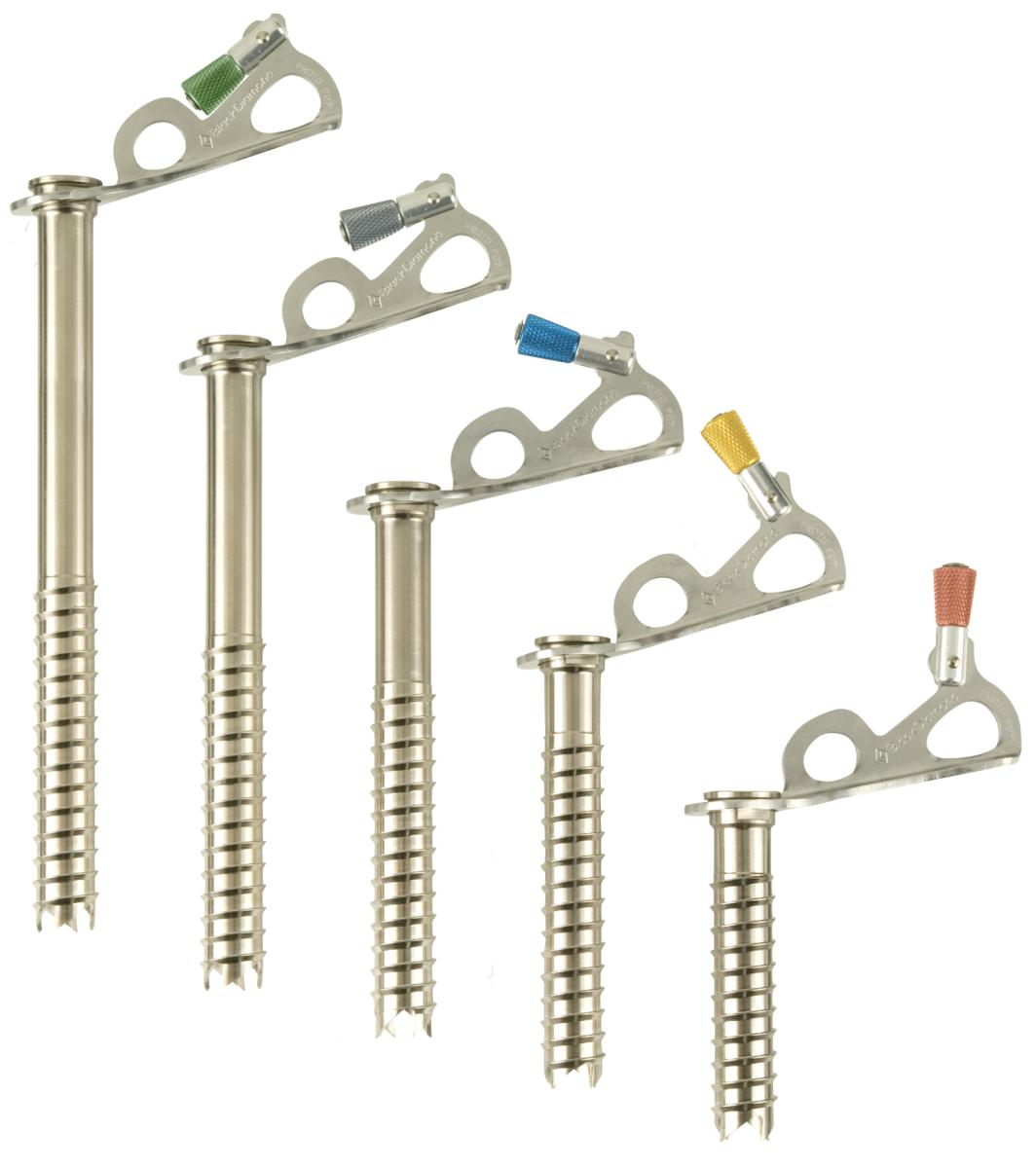
Ice Screw

A tubular screw used to create secure anchors in ice for protection or belaying during climbing.

Size: 16-20 cm
Required: 1 pcs
Recommended Brands: Black Diamond, Petzl

Ratings & Reviews

5/5
Excellent
Based on 3 reviews
Excellent
3
Very Good
0
Average
0
Poor
0
Terrible
0
How was your experience with us?
All Inclusive Price
US$7860 US$7150 /pp

31 Nights 32 Days

  • Instant Booking
  • No Hidden Costs
  • Secure Payments
  • 24/7 Support
Tulsi
 Talk to Expert (Tulsi )
+9779841239938
Kishan
 Talk to Expert (Kishan )
+9779846431447 (English | Français)
You May Also Like

Similar Packages

View All Packages
https://dev.softwareinfosys.com.np/hsc/mt-himlung-expedition-7126m-a-hidden-himalayan-gem

Mt. Himlung Expedition (7126m) “A…

Duration 29 Nights 30 Days
Activity Expedition
Grade Moderate
https://dev.softwareinfosys.com.np/hsc/mt-baruntse-expedition

Mt. Baruntse Expedition

Duration 34 Nights 35 Days
Activity Expedition
Grade Moderate
$12500 $11499 Per Person
newsletter

Receive Travel Inspirations

We're affiliated with
  • Nepal Government
  • NTB
  • TAAN
  • NMA
Professional Affiliations
  • Nepal National Mountain Guide
  • IFMGA