Himalayan Mountaineering Course (Level-I)

Himalayan Mountaineering Course (Level-I)

Himalayan Mountaineering Course (Level-I)

out of 5.0
US$2950 US$2750 /pp

+977 9841239938

info@himalayansummitclub.com     himalayansummitclub@gmail.com
Destination
Nepal
Start/End Point
Kathmandu / Kathmandu
Activity
Mountaineering Course
Duration
19 Nights 20 Days
Group Size
1-16
Accommodation
Lodge + Camping
Grade
Moderate
Max.Altitude
5800m/19025ft
Meals
As Per Itinerary
Beast Season
While Spring and Autumn are the main seasons, we have successfully operated Course in June and December — with over 20 participants joining us each December.
Transport
As Per Itinerary

Overviews

“Himalayan Mountaineering Course”

A Himalayan Mountaineering Course designed for beginners who want to step into mountaineering in the Himalayas or explore mountaineering adventures with a set of skills. The Himalayan Mountaineering Course is a 20-day training program executed under the supervision of the IFMGA/NNMGA Mountain Guide. The course incorporates learning various mountaineering skills like rock, ice, and snow climbing, along with negotiating glacial terrain. The course enables trainees to learn and apply multiple mountain disciplines such as mountain navigation, leadership skills, high-altitude physiology, and technical features of snow and avalanches, along with an attempt to scale around 6,000 m mountain at the end of the training. 

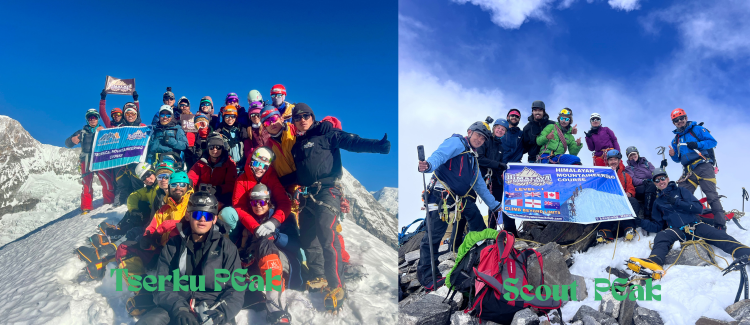
The climb will be subject to the weather, climbing conditions, and other contingencies. Yet there are numerous options available for the climb; Naya Khang, Scout Peak, and Tsorku Peak can be alternatives.

This training course, however, requires a sound level of fitness. 

Get in touch now to reserve your place at the magnificent Naya Khang Mountain Range in the Langtang region of the Himalayas on a 20-day Technical Mountaineering Course, level-I. 

Trip highlights of Himalayan Mountaineering Course (Level-I)

  • An insightful training course in the lap of mighty Himalaya
  • A chance to upgrade to mountaineering skills and endurance for adventurers while stepping-stone into Himalayan mountaineering for beginners.
  • IFMGA/UIAGM and NNMGA certified mountain guides with decades of climbing experience as trainers
  • Immerse yourself in the breathtaking Nepali landscape with its towering mountain peaks.
  • A unique blend of training along with the natural and cultural experiences in Nepal
  • Certification of completion of the training

Travel Itinerary

When you arrive in Kathmandu you will be welcomed at the airport by our representative staff. Our staff will then drive you to the hotel where you can have a good rest.

Arrival in Kathmandu
Accomodation:Hotel
Place:Kathmandu
Altitude:1350m
Distance: 5.5 KM
Duration: 25 Minutes (Depend on Traffic)


After Breakfast we will have orientation program and equipment check.

On this day you can spend your time visiting Kathmandu city and exploring the local culture and cuisines.

You can also buy necessary items, gear, and equipment that you might need during the trip. In the evening there will be a welcome dinner and briefing session about the trip.

Preparation, Orientation, Equipment Check
Accomodation:Hotel
Place:Kathmandu
Altitude:1350m
Duration: 3-4 Hours
Meals:Welcome Dinner by Nepalese Typical Meal & Breakfast

After an early breakfast, we drive out along the north-western hills of Kathmandu, heading toward Syabrubesi. Along the way, enjoy scenic views of the Himalayas and experience the traditional mountain lifestyle as we pass through terraced fields and rustic villages. Upon arrival in Syabrubesi, we settle in for the night.

4:30 PM: Trek Briefing Session at Syfrubeshi

Introduction to backpacking essentials

Proper layering techniques for trekking

Overview of local culture and customs

Drive to SybruBesi (1550m./5100ft)
Accomodation:Lodge/Geust House
Place:Syfrubesi
Altitude:1550m
Distance: 122km
Duration: 6-7 Hours
Meals:B/L/D

This is our first day of trek today. We will follow the Langtang River and pass through the dense forest. The trail is not that difficult; we will be crossing through several suspension bridges and tea houses reaching Lama Hotel before the Evening.

In the evening, we will have a session/discussion practice map reading, Knots and campsite management.

Accomodation:Lodge/Tea House
Place:Lama Hotel
Altitude:2380m/7830ft
Distance: 12.5KM
Duration: 5-6 Hours
Meals:B/L/D

Today our destination will be Langtang village, we will start our trek after our morning breakfast. The trek continues through lush green forests and river crossings. We will walk along the Langtang River. The trail also consists of monuments like Mani walls and chorten. We will reach Langtang village by the evening and about High-altitude sickness and its preventive measures.

Trek to Langtang Village (3430m/11253ft)
Accomodation:Lodge/Tea House
Place:Langtang Village
Altitude:3430m/11253ft
Meals:B/L/D

After our morning breakfast, we will start our trek towards Kyanjin Gompa. Kyanjin Gompa is a small Gompa Kyanjin Gomba is surrounded by the Himalayas all around. You can take a walk around Kyanjin Gomba enjoying the views-glaciers, Icefalls, birds and Yaks. The surrounding Mountains are Yubra, LangShisa Ri, Nayakhang and Kanchhengbu Peak. We will stay at a hotel in Kyanjin Gomba.

Trek to Kyanjin Gompa (3850m/12550ft)
Accomodation:Lodge/Tea House
Place:Kyanjin Gompa
Altitude:3850m/12550ft
Meals:B/L/D


Today we will go for a hike to Kyanjin Ri, it will take about 3-5 hours. It is a viewpoint situated at an elevation of 4773m / 15655 ft. We will descend back to Kyanjin Gomba for lunch.

After lunch, we will start training about Jumaring (Self Rescue), Active Rappelling, knot & rope.

Acclimatization Day
Accomodation:Lodge/Tea House
Place:Kyanjin Gompa
Altitude:3850m/12550ft
Meals:B/L/D

Today we will trek towards Tsorku Peak Lower Base camp and stay there on a tented camp for the overnight. on our hike, we will implement the navigation techniques we learned before.

Trek to Tsorku Peak Lower Base Camp (4500m/15088ft)
Accomodation:Tent
Place:Tsorku Peak Lower Base Camp
Altitude:4500m/15088ft
Meals:B/L/D

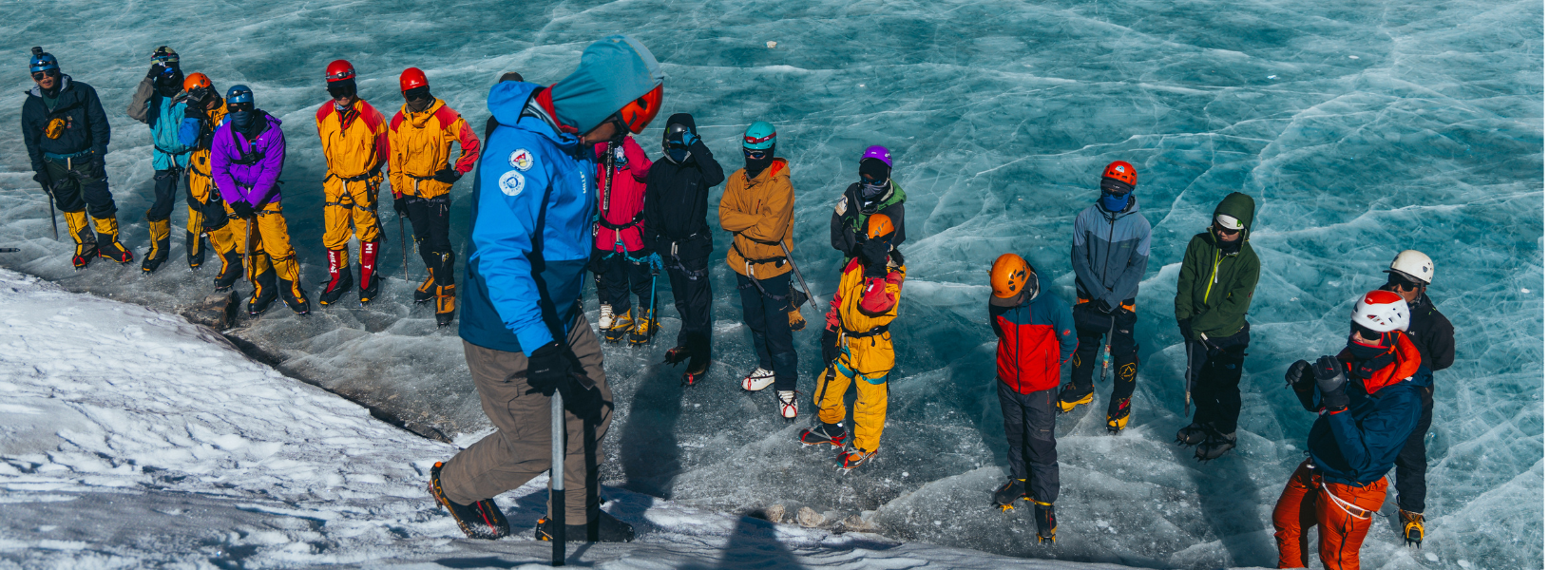
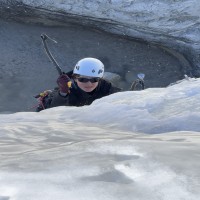
Today our trek will start at the Higher Base Camp, we will learn about walking with alpine boots, using poles and ice-axe in snow, glacial walk and crevasse rescue training.

We will stay at a tented camp for the overnight.

Accomodation:Tent
Place:Higher Base Camp
Altitude:4870m/15970ft
Meals:B/L/D

Today the training will be about Cramponing Techniques like Flat footing, traversing, and front pointing. the use of Ice-axe, self-arrest technique, Introducing climbing gears) and back to the Camp.

Accommodation at a tented camp.

Hike to Tsorku Peak Glacier for Training
Accomodation:Tent
Place:Higher Camp
Altitude:4870m/15970ft
Meals:B/L/D

After our breakfast, our training session will begin as we reach the Glacier. The training will be focused on Top rope ice climbing, safety/Belay, Ice and Snow anchor technique and the use of an ice axe to self-arrest during a fall. Accommodation at a tented

Accomodation:Tent
Place:Higher Camp
Altitude:4870m/15970ft
Meals:B/L/D

The training will be focused on Fixed line Fixing Demonstration/Description of Fixed lines, Use of Fixed lines and practice on different terrains, and Rescue Techniques.

There will be other essential training about searching for victims in the Avalanche zone, using avalanche searching devices (ARVA, Probe, shovel) and team building.

After we complete our training we will plan for the summit of the Tsorku peak

Accomodation:Tent
Place:Higher Camp
Altitude:4870m/15970ft
Meals: B/L/D

Today we will ascend to the top of Tsorku Peak and descend back to the Base Camp.

Accomodation:Tent
Place:Higher Camp
Altitude:4870m/15970ft
Meals:B/L/D

Extra day if the summit day is cancelled by any weather hazard or other circumstances.

Accomodation:Tent
Place:Higher Camp
Altitude:4870m/15970ft
Meals:B/L/D

After the successful summit, we will descend back to Kyanjin Gompa. We will stay at the same hotel. In the evening we will celebrate our successful summit.

Accomodation:Tent
Place:Higher Camp
Altitude:4870m/15970ft
Meals:B/L/D

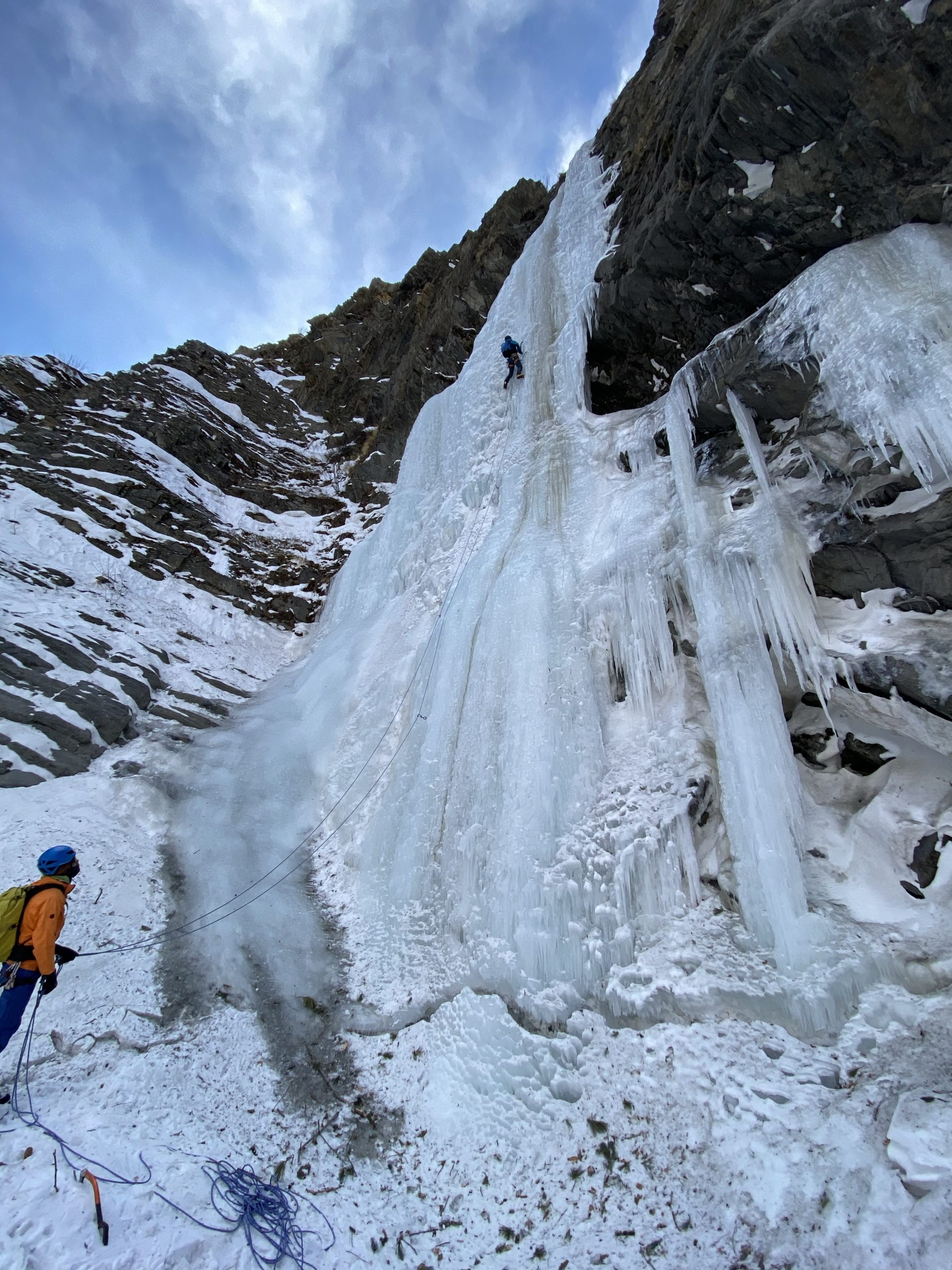
After our breakfast, we will leave for ice-climbing in the nearby waterfall that is mostly frozen in the winter. We will spend our day climbing on the ice.

Note: During winter we have to do Ice Climbing but other season we have to do Rock Rescue and Alpine Rock Climbing Training. 

Overnight stay at Kyanjin Gomba.

Accomodation:Lodge/Tea House
Place:Kyanjin Gompa
Altitude:3850m/12550ft
Meals:B/L/D

We will descend back to Lama Hotel today following the same trail that we did before. The river crossings, green forest and finally reaching Lama Hotel for overnight.

Accomodation:Lodge/Tea House
Place:Lama Hotel
Altitude:2380m
Meals:B/L/D

We will continue our descent back to Stabrubesi and stay there overnight.

Remember to pack your bags and belongings before you sleep because we have to drive to Kathmandu the following morning.

Accomodation:Lodge/Tea House
Place:Syfrubeshi
Meals:B/L/D

We will drive back to Kathmandu today. Pack your bags and belongings and load them on the vehicle safely. We will reach Kathmandu after 5-6 hours of drive. Lunch will be on the way.

We will have a farewell dinner in the evening.

Accomodation:Hotel
Place:Kathmandu
Meals:Dinner

Today is the final departure, our staff will drive you to the airport and help you to shift your bags from the hotel to the airport. we will bid a final farewell until next time

Thank you for choosing us!

Want a trip tailored just for you?
Customize Trip

Altitude Chart

What's Included

Cost Includes
  • All Airport/hotel Transfers
  • 3 nights in Hotel in Kathmandu (double or triple searing basis style)
  • All accommodation and meals during the trek (double searing basis style of room and in Tents also)
  • Bus for kathmandu to syabrubesi and Kathmandu
  • 1 IFMGA/UIAGM Guide (expert) with couple well experience and train Assistant Guides, Porters/Mule to carry luggage including their wages, insurance, equipment, food and lodging.
  • All necessary paper work and permits (National park fee, peak permit)
  • Gamo Bag or Oxygen with mask regulator for emergency survive during High Altitude sickness
  • Group Equipments like: Fixed Rope (Static Rope), Main Rope ( Dynamic), Snow Bars, some Ice Screw, Rock Pitons, Arva
  • Medical kit
  • Tents/dining tents/toilet tents on Base camp
Cost Excludes
  • Nepal Visa Fee
  • Any meals items in Kathmandu valley
  • Extra night Accommodation in Kathmandu
  • Travel and Rescue insurance
  • Personal expenses (Phone calls. Laundry, Bar Bills Battery Recharge, Extra Porters, Bottle of water, shower Etc.
  • Tips for Guides and Porters

Useful Info

Seasonality

  1. Spring/Autumn:
  • Spring in Nepal refers to March, April and May months
  • Autumn season refers to mid-September to mid-November.
  • These are the best times to visit Nepal, as the weather is clear, the views are mesmerizing and there are little or no weather hazards
  • In these seasons, the training is executed in Scout Peak, Langtang region
  1. Winter
  • Winter in Nepal refers to December, January and February
  • Winter training is for the tough and dedicated.
  • This training prepares for bigger challenges such as 8000er climbs and hard adventures in the Himalaya
  • Training is executed in the Langtang region of Nepal during winter.

Equipment List

Layering

We believe that all Mountain Travel Equipment should follow two simple tenets: Lightweight and Functional. Lightweight equipment increases your chance of success and helps make you more comfortable. Functional equipment determines how warm, dry and safe you will be, so always choose equipment that is of god quality, is dependable, and is adaptable to a variety of extreme conditions.

Clothing impacts not only your comfort but also yours safety, always be critical of the quality and the proper fit of your clothing. Cotton clothing must be avoided because it dries very slowly and is a poor insulator when wet. Instead, choose wool or synthetic fabrics that wick the sweat and moisture away from your skin.

Our recommended clothing system has four layers.

  • Base layer: manages moisture and wicks perspiration away from your skin. (Polypro, capelin)
  • Soft shell: should be a durable, comfortable, and insulating and wind/water resistant layer that breathes well. The main soft sell fabrics are polar Tec wind pro, Gore wind stopper N2S and each clothing manufacturer has their own. 200 weight fleeces can be substituted for our soft shell recommendations but is not as versatile on how it may be used when layering.
  • Hard shell: windproof, waterproof and breathable. (e.g. Gore-Tex, or similar)
  • Insulating Layer: Should be down-fill or synthetic-fill and fit over all layers. (e.g. down, primaloft or polar guard)

These four layers are usually sufficient for most people, but if you tend to be colder bring one extra medium- layer that would be ideal for extra warmth around camp, such as a vest. When deciding what to pack, remember to bring enough clothes and accessories to insure your safety and comfort, while not over- burdening yourself with items you probably won’t use.

Only Technical Climbing Gear

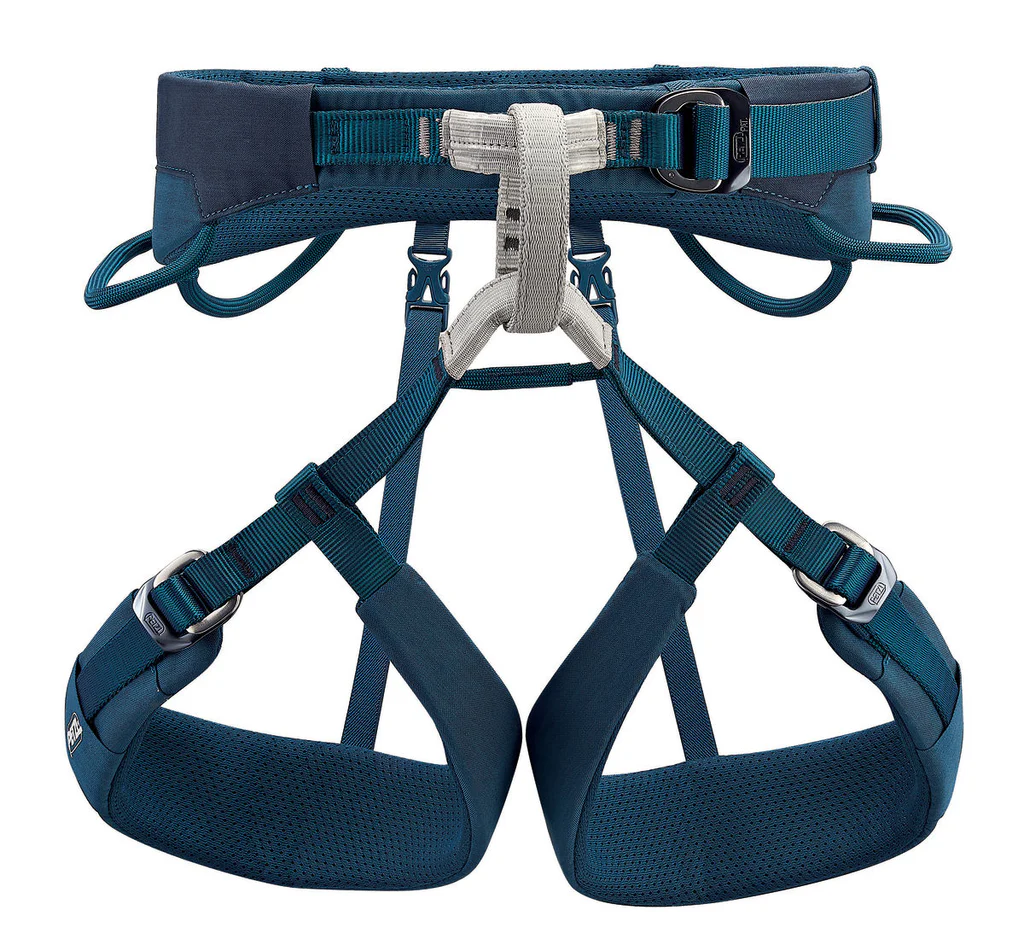
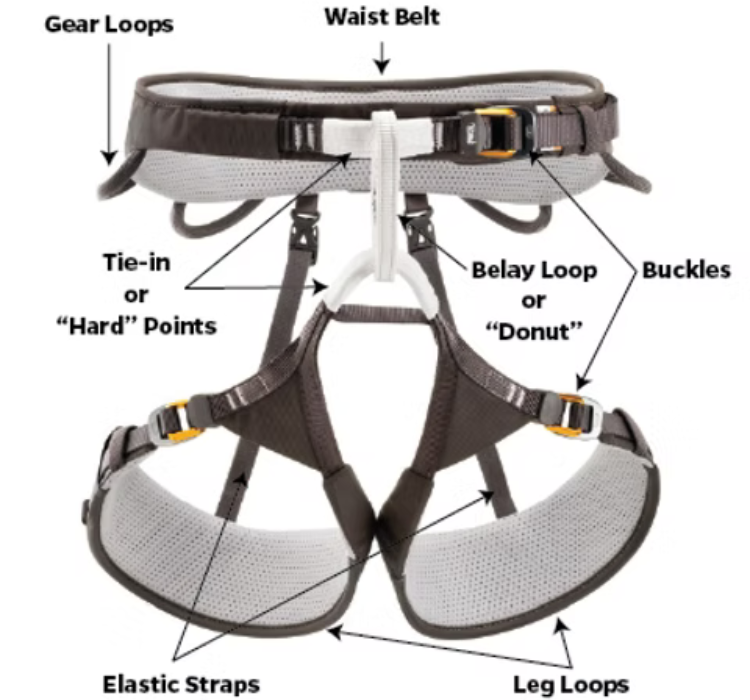
1-Alpine Climbing Harness (must be adjustable leg loops & fit over all clothing.

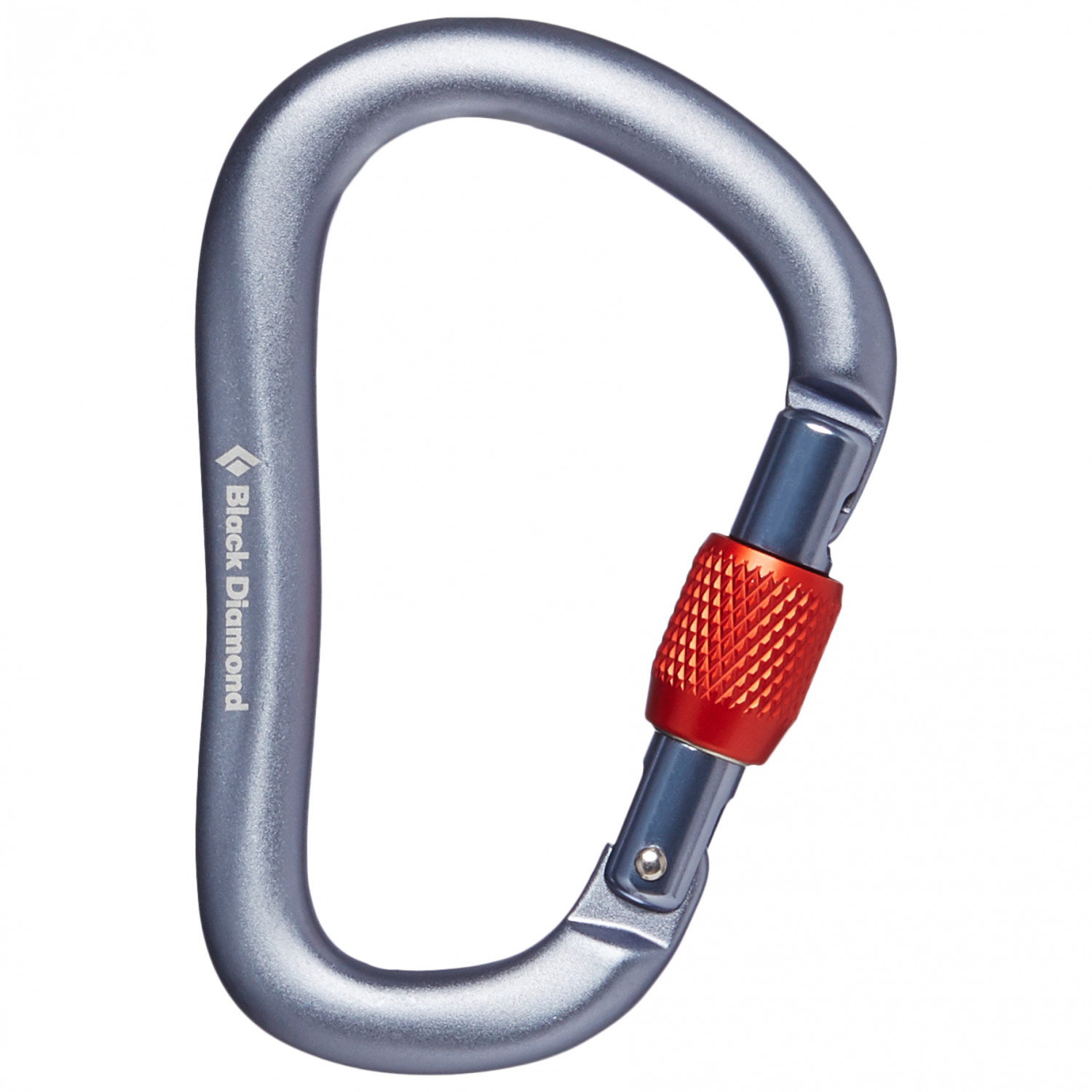
3-Locking carabineers

2- Regular carabineers

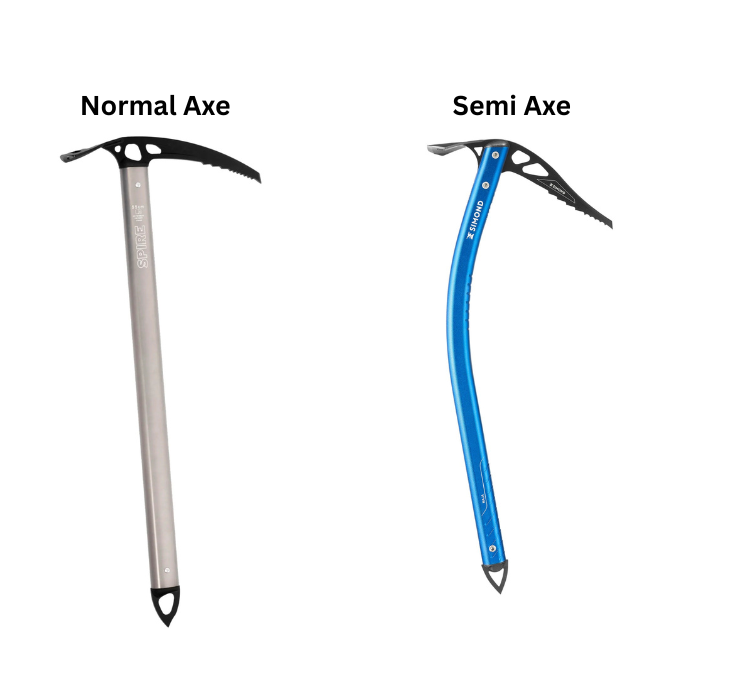
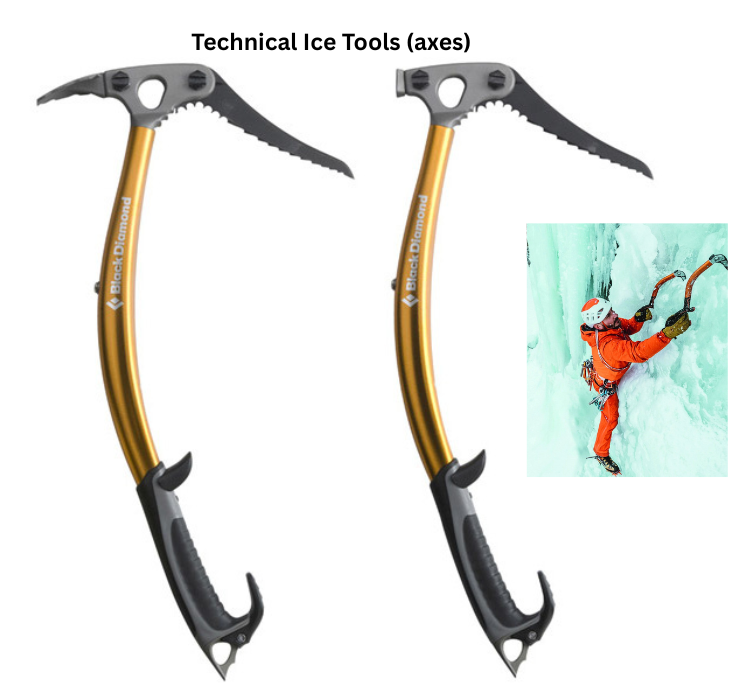
1-Normel Ice axe (if you have Ice climbing tools you can bring that also)

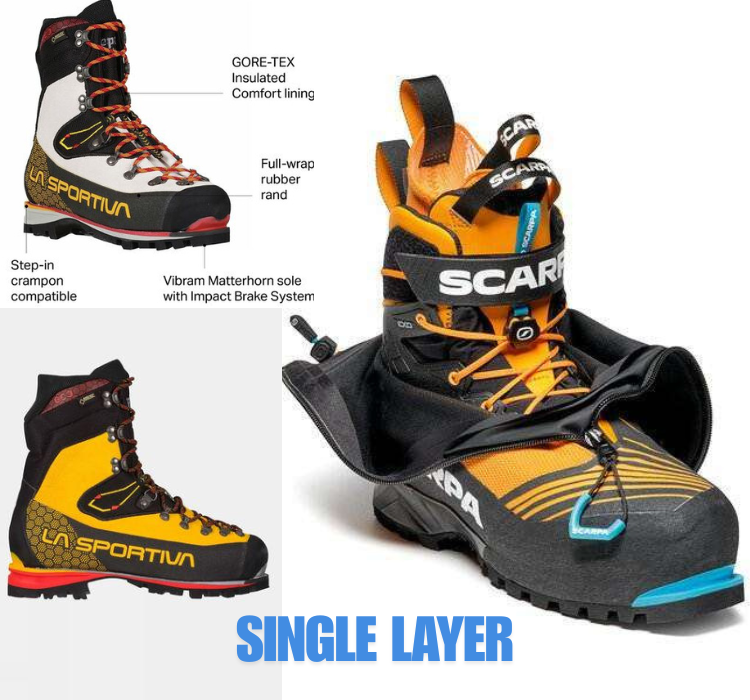
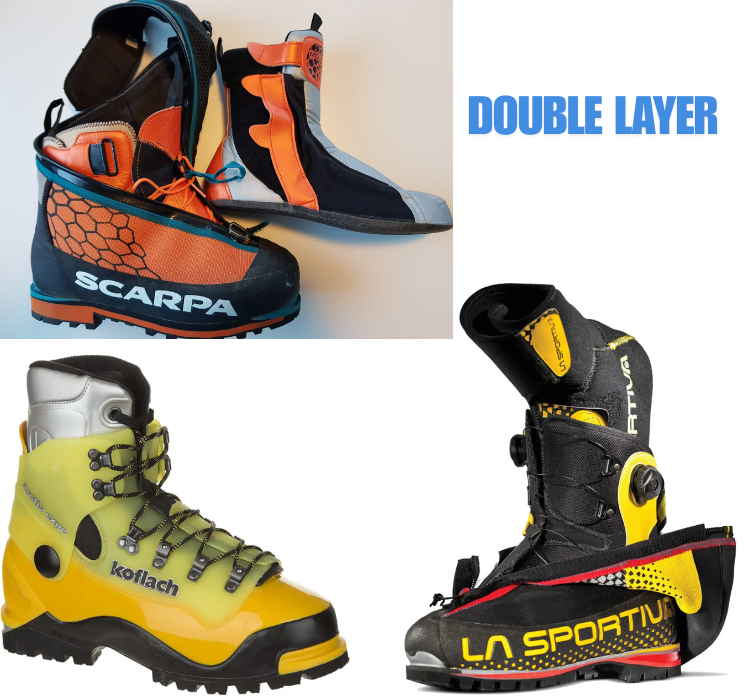
1 pair- Plastic Mountaineering Boots/or double leather hybrid boots

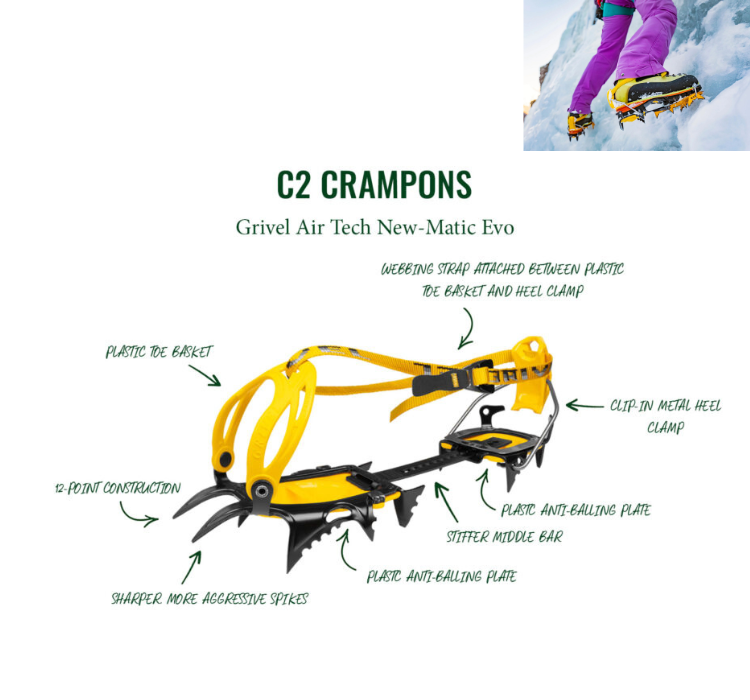
1 pair- Crampons (must be fit to plastic boots prior to trip

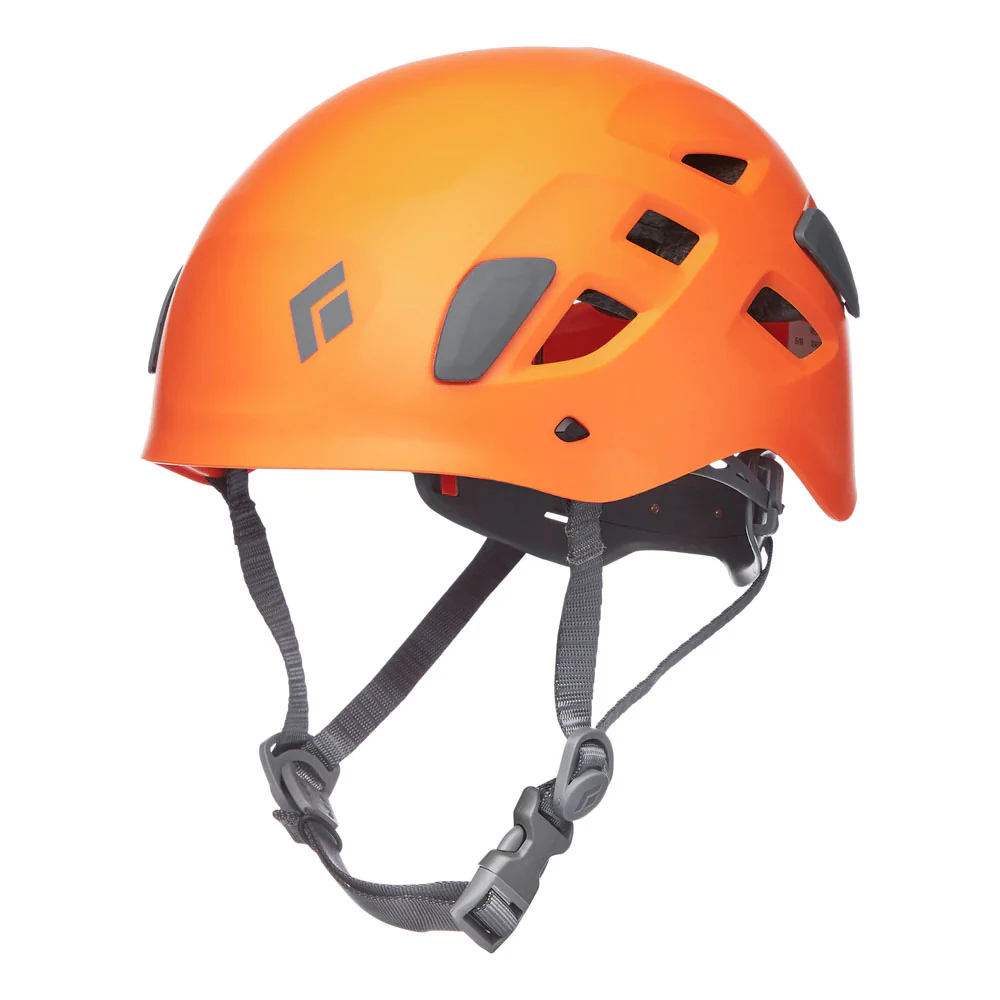
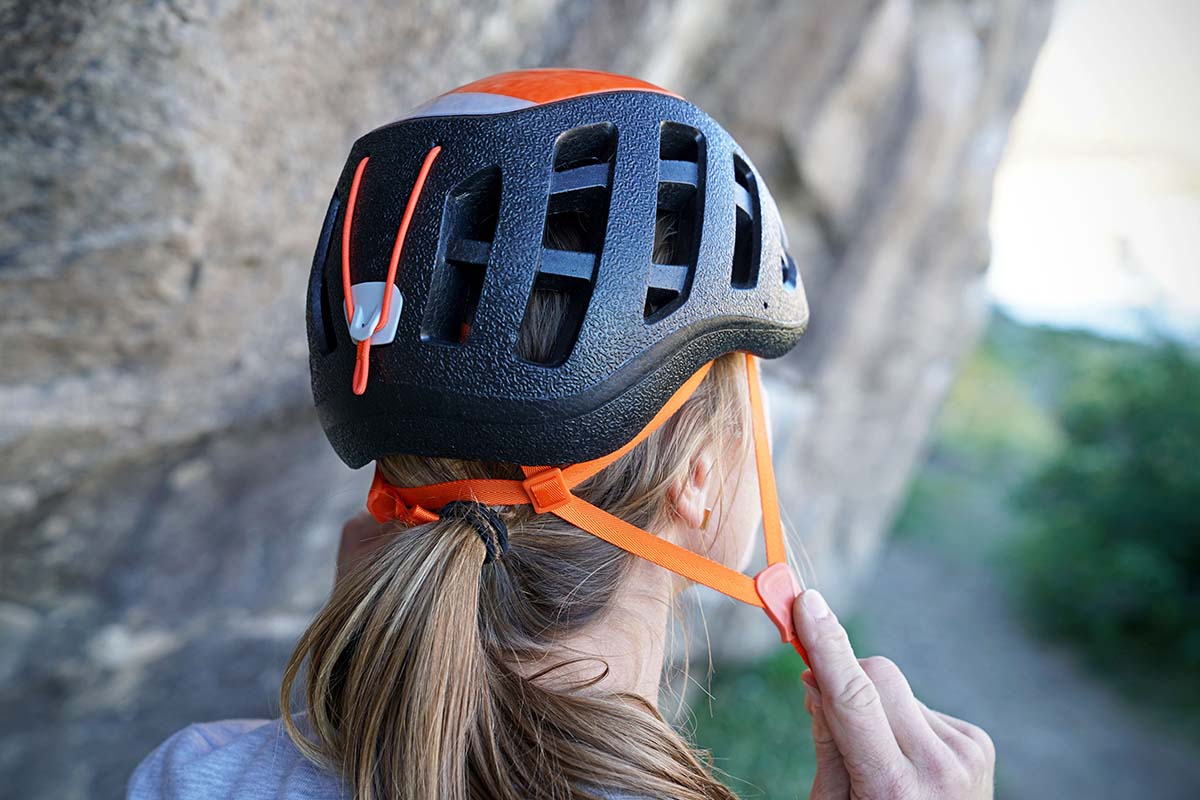
1-Helmet

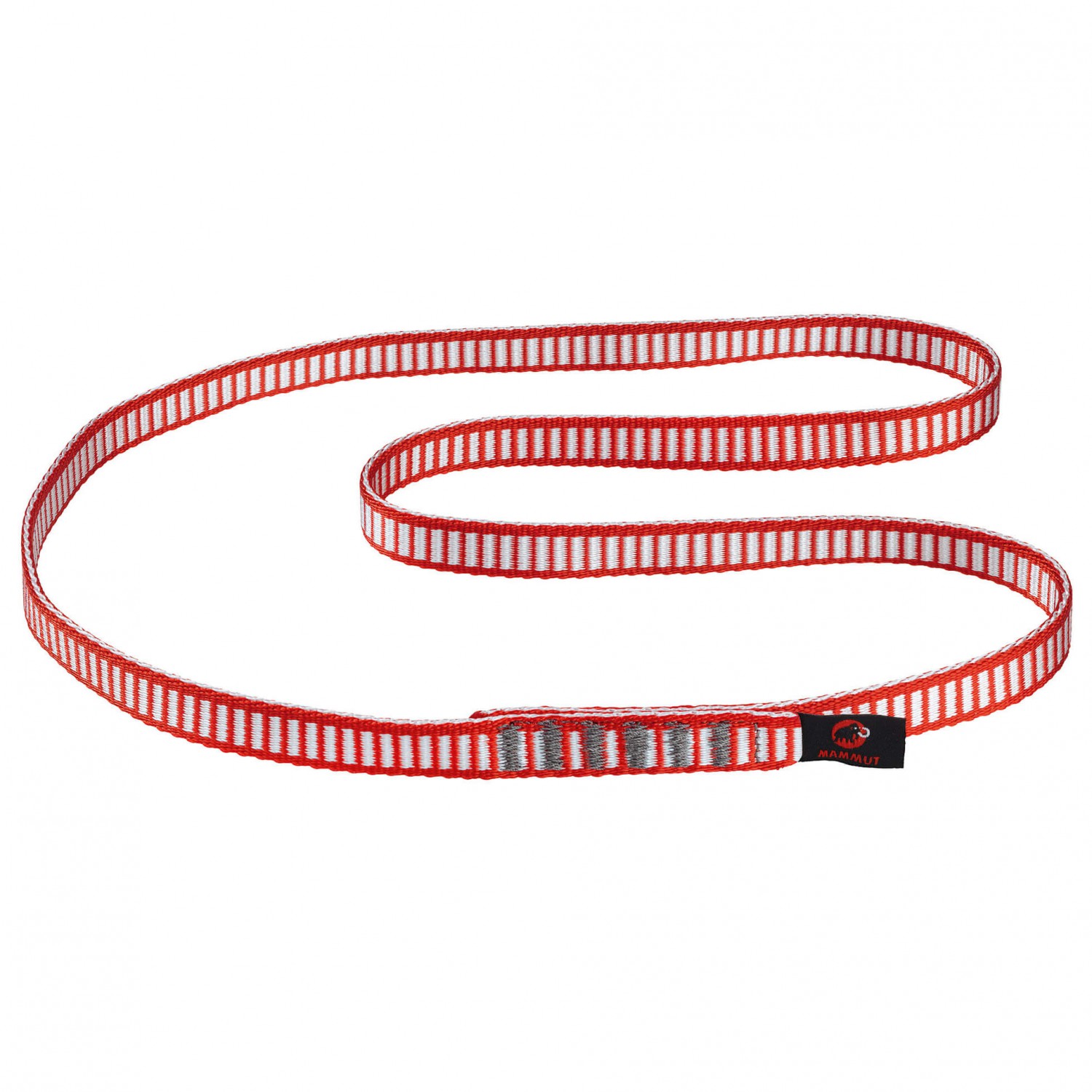
1-Tape sling (120cm)

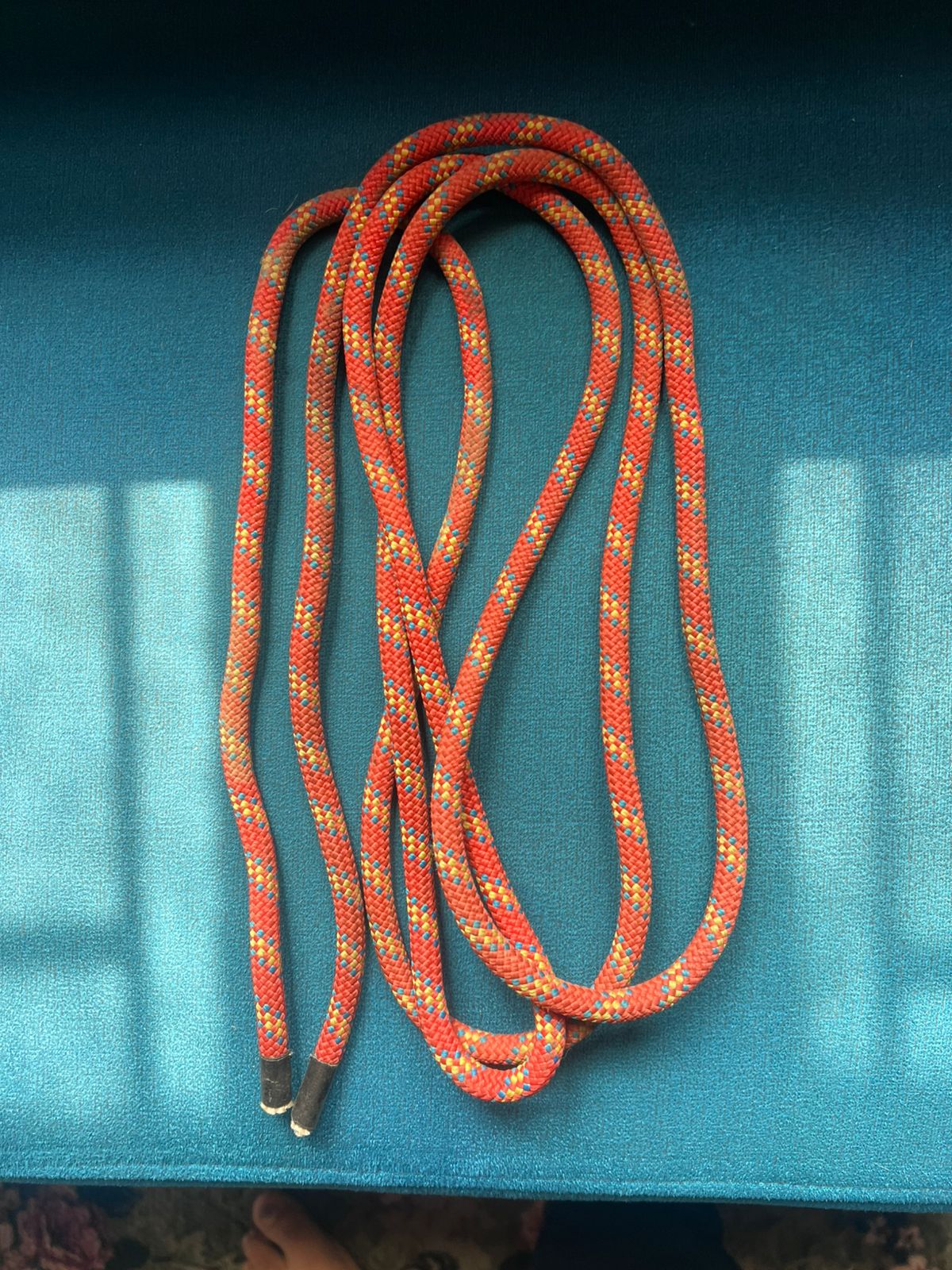
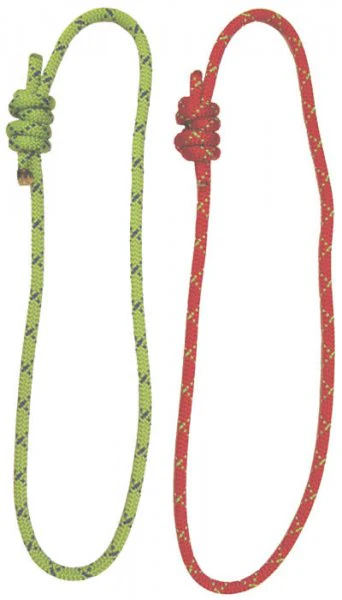
1-Assistant rope about 6-7 MM diameter about 4 meters long.

1 pair- Gaiters

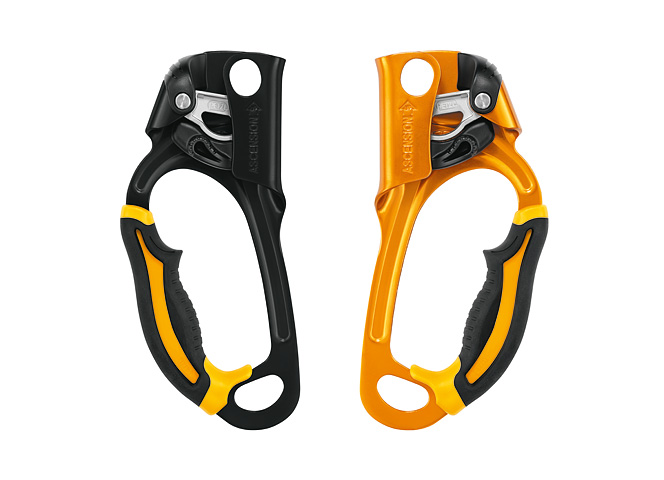
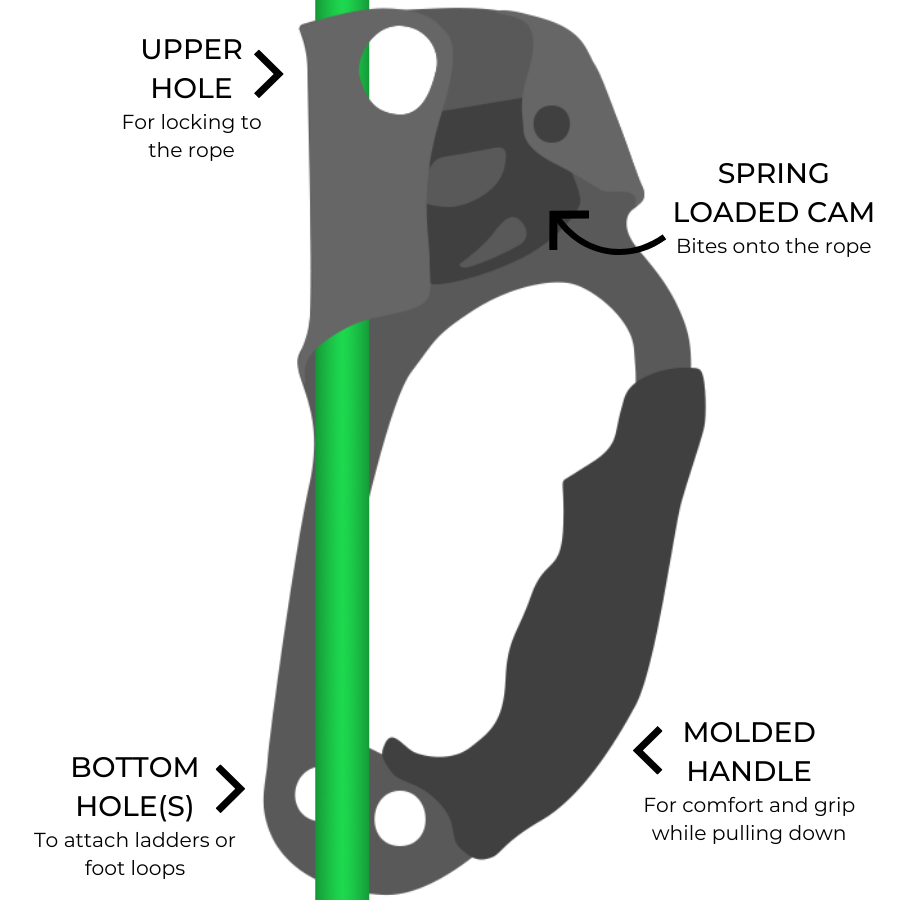
1-Jumar (Ascender)

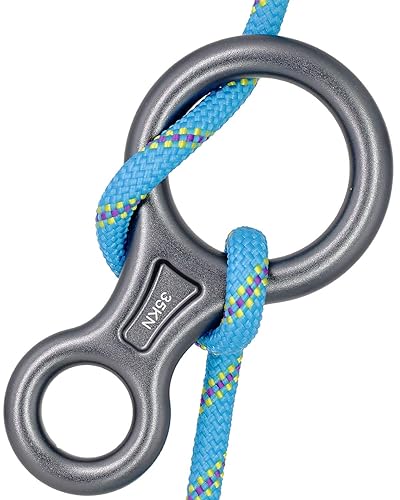
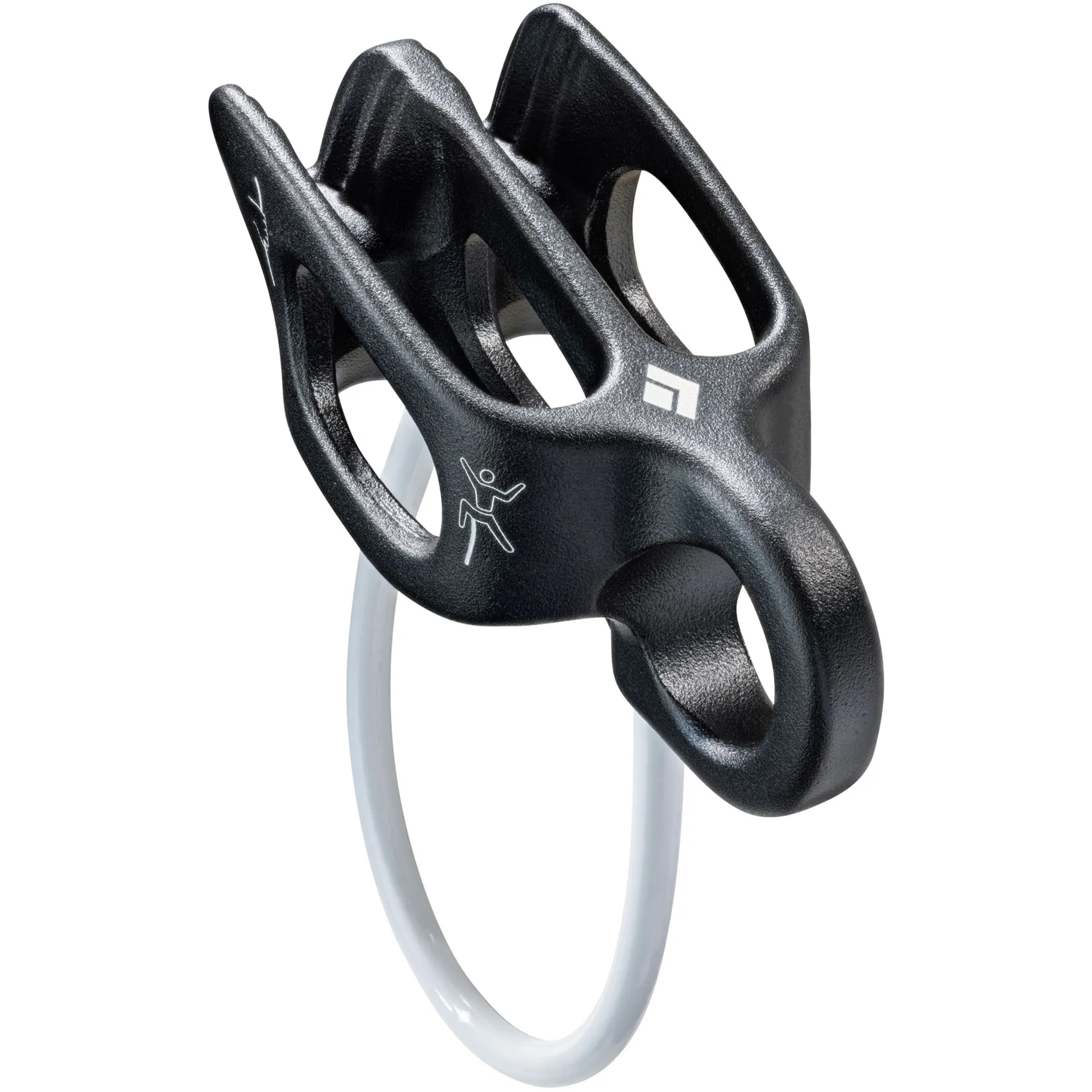
1-Belay Device any one

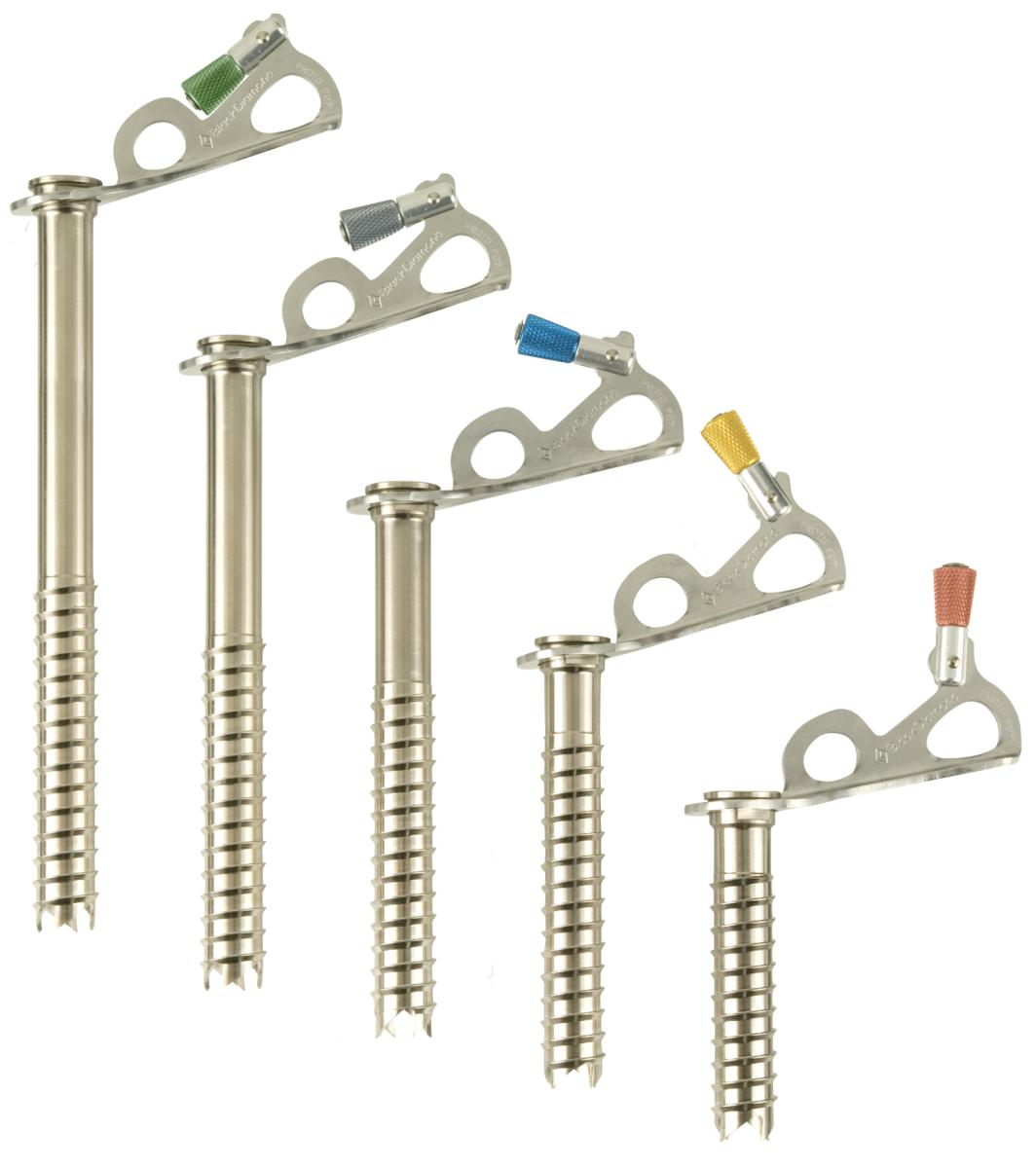
2-Ice Screw (Black Diamond)

1 or pair Adjustable trekking poles

1 pair Rock shoes (if you have)

Physiological Adaptations to Altitude

Increased breathing Rate: one adaptation to high altitude hypoxia is an increase in the rare of breathing. After ascending to high altitude, a climbers breathing rate continues to increase for several days. As this occurs, dissolved carbon dioxide in the bloodstream decreases (as carbon dioxide is exhaled).

Dieresis: another normal adaption to high altitude hypoxia is that the kidneys send more water on to the bladder as urine, ridding the body of more fluid. This dieresis makes the blood slightly thicker. This change begins promptly upon ascent and continues for several of red blood cells in as effort to increase oxygen carrying capacity.

Insomnia: the ability to sleep soundly deteriorates at high altitude. Most mountaineers have insomnia at altitude, waking up more often during the night and getting less deep sleep. Commonly, an irregular breathing rhythm appears during sleep and sometimes during wakefulness, too. There are periods of apnea (no breathing) interspersed with periods of hyperventilation (this alternating rhythm is known as Cheyne-Stokes respiration). The low carbon dioxide content of the blood appears to drive this odd change in breathing.  A Small dose (one-quarter tablet) of acetazolamide (Dimox) at bedtime decreases Cheyne – Stokes respiration and may aid your sleep.

Acute Mountain Sickness (AMS)

For Acclimatization prevention can use Dimox:

The medicines can be used to deal with altitude related health problems; ask your physician about the appropriateness of such drugs for your situation. For example, some mountaineers use acetazolamide the night before or morning of the ascent and through the first 48 hours at high altitude in order to prevent AMS or block its recurrence. Potential problems caused by this medication are tingling of extremities, ringing in the ears, nausea, frequent urination, and a change in the sense of taste. Individuals with sulfa allergies must be careful, as 6-8 percent will have an allergic reaction to Dimox. It is better to test this possibility at home rather than in the mountains. Dimox does appear to be effective in preventing and treating AMS as well as the breathing changes brought on by high Altitude.

TIPS for Acclimatization

These are rough guidelines for controlling the rate of ascent to allow your body to acclimatize;

  • Above 10,000 feet (about 3000 Meters) limit increases in sleeping elevation to about 1,000 to 1,500 feet (300 to about 500 meters) per night
  • Two or three times a week, allow an additional night at the same elevation as the night before.

Ratings & Reviews

5/5
Excellent
Based on 31 reviews
Excellent
31
Very Good
0
Average
0
Poor
0
Terrible
0
How was your experience with us?
All Inclusive Price
US$2950 US$2750 /pp

19 Nights 20 Days

  • Instant Booking
  • No Hidden Costs
  • Secure Payments
  • 24/7 Support
Tulsi Gurung
 Talk to Expert (Tulsi Gurung)
+9779841239938
Kishan Gurung
 Talk to Expert (Kishan Gurung)
+9779846431447
You May Also Like

Similar Packages

View All Packages
https://dev.softwareinfosys.com.np/hsc/mountaineering-course-in-annapurna-region

Mountaineering Course In Annapurna Region!

Duration 18 Days
Activity Expedition
Grade Technical Challenging
$3460 $2980
Per Person
newsletter
Receive Travel Inspirations
We're affiliated with
  • Nepal Government
  • NTB
  • TAAN
  • NMA
Professional Affiliations
  • Nepal National Mountain Guide
  • IFMGA