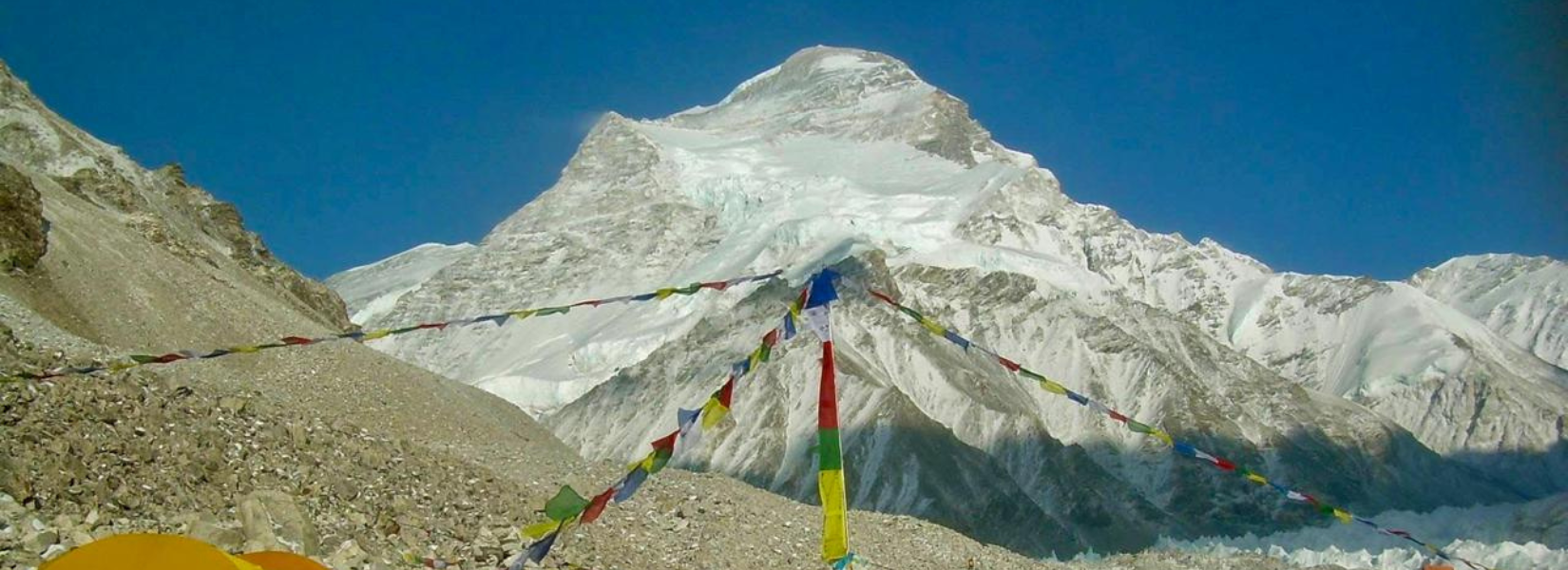
Cho Oyu, the 6th highest mountain in the world, is widely regarded as one of the most logical first 8,000-meter objectives. The classic Northwest Ridge route from Tibet offers a non-technical but physically demanding ascent, making it an ideal progression peak for climbers preparing for Everest or other major Himalayan expeditions.
This professionally guided expedition focuses on gradual acclimatization, structured high-camp rotations, and a carefully timed summit strategy. The journey begins in Nepal and continues overland into Tibet, crossing the vast Tibetan Plateau to Cho Oyu Base Camp. From there, climbers move through a series of established high camps before making a final summit push during an optimal weather window.
Himalaya Summit Club emphasizes safety systems, efficiency at altitude, and long-term climber development, ensuring participants gain meaningful expedition experience alongside their summit attempt.
Multiple rotations between:
Camp I (6,400 m)
Camp II (7,000 m)
Camp III (7,500 m)
Transfer to international airport
Tips and personal expenses outside the program
Skill & Experience Requirements
This expedition is best suited for climbers who have:
✔ Previous 6,000 m or 7,000 m expedition experience
✔ Strong high-altitude endurance and physical conditioning
✔ Comfort with fixed ropes, glacier travel, and basic ice climbing
✔ Ability to operate in remote, multi-week expedition environments
While Cho Oyu’s Tibetan route is considered one of the least technical 8,000-meter climbs, the altitude, exposure, and expedition logistics still demand serious preparation and commitment.
Why Climb Cho Oyu with Himalaya Summit Club
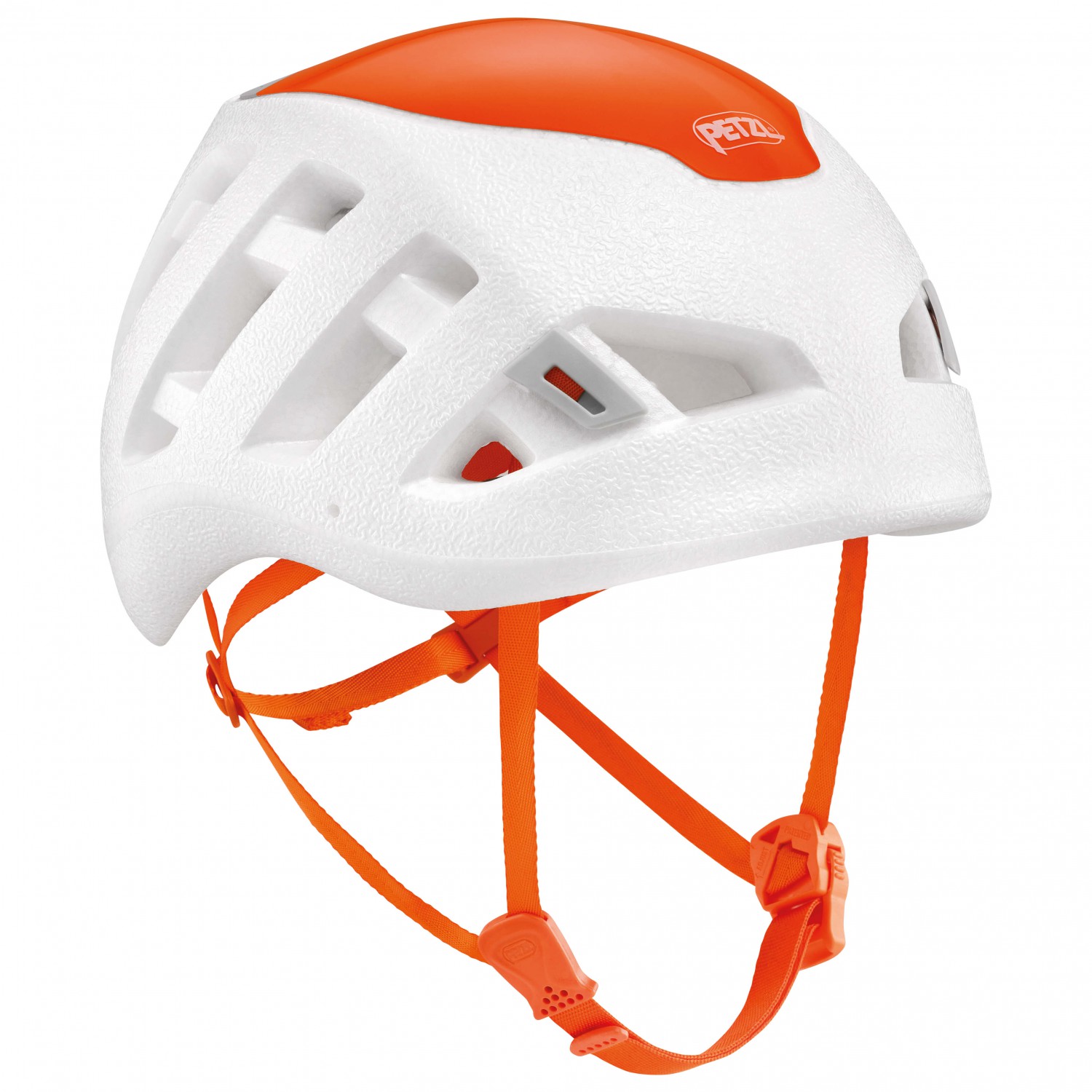
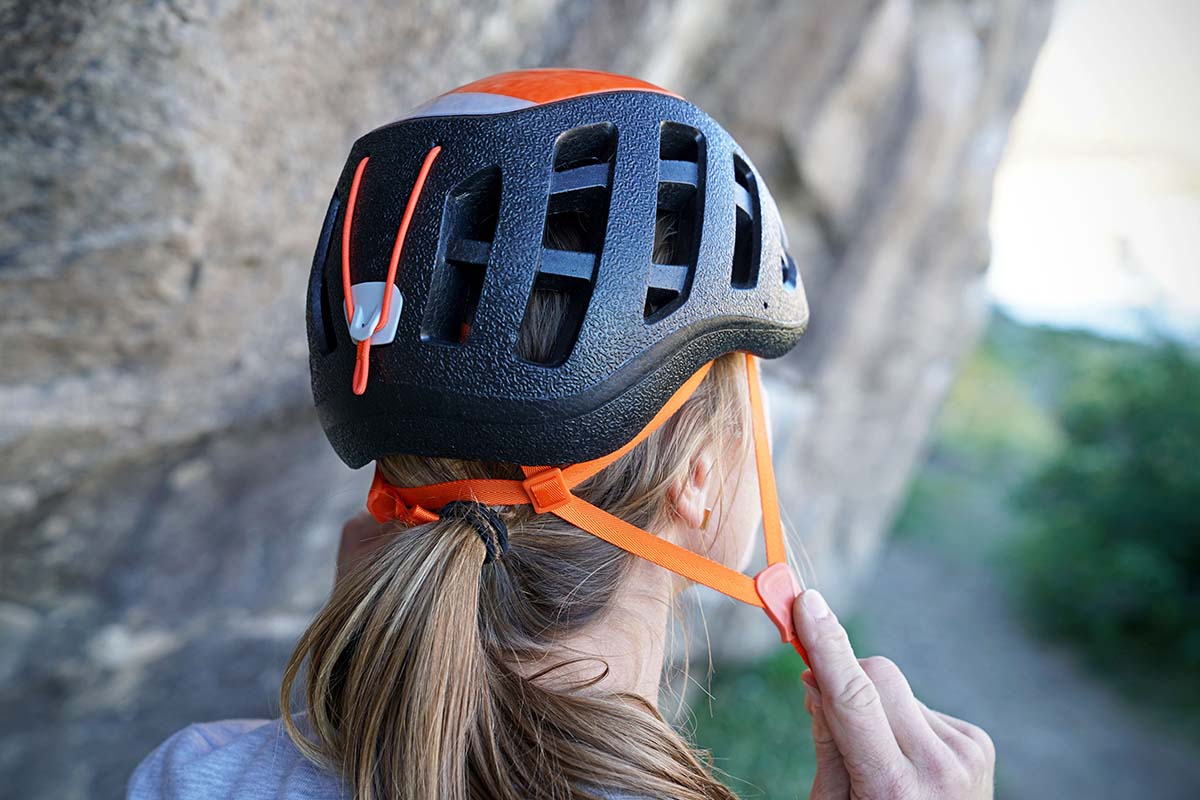
8000m+ peak expedition, the ideal helmet should prioritize minimal weight to reduce fatigue at high altitude, strong durability for protection against rockfall and impacts, and—crucially—sufficient internal space to comfortably accommodate warm headwear such as balaclavas or beanies underneath.
Recommend: Petzl Sirocco or Black Diamond Vision Mips
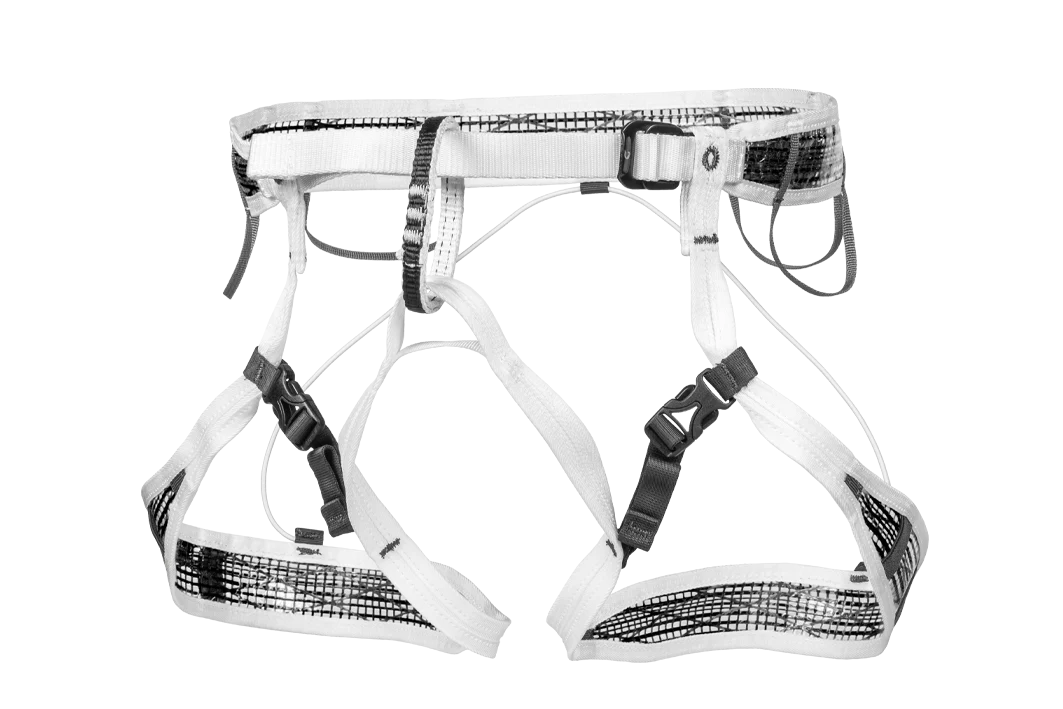
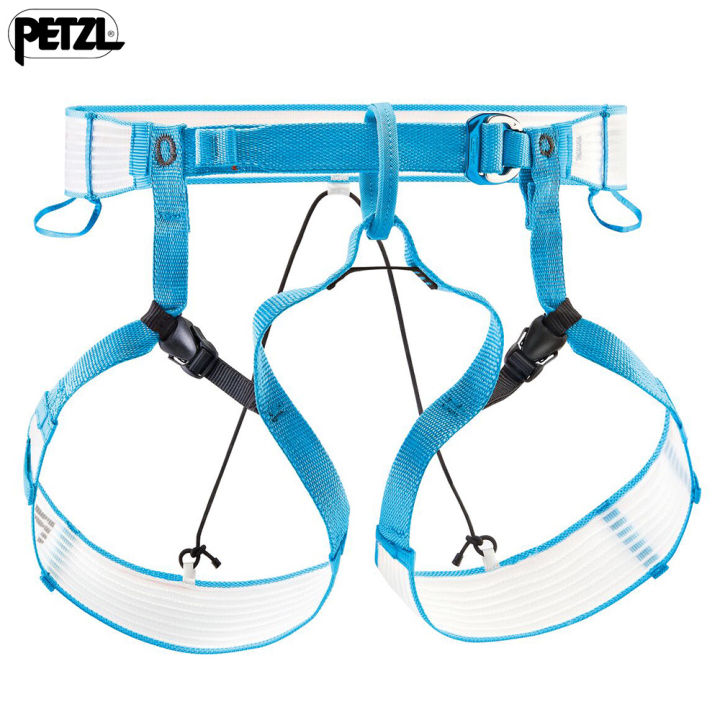
8000m+ peak expedition, an adjustable alpine harness ensures a secure fit over layers, with adaptable waist and leg loops. A slightly thicker waist belt adds comfort during longer hangs, while a lightweight, durable design is essential.
Recommended: Petzl Altitude (ultralight) or Grivel Himani
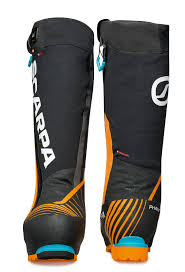
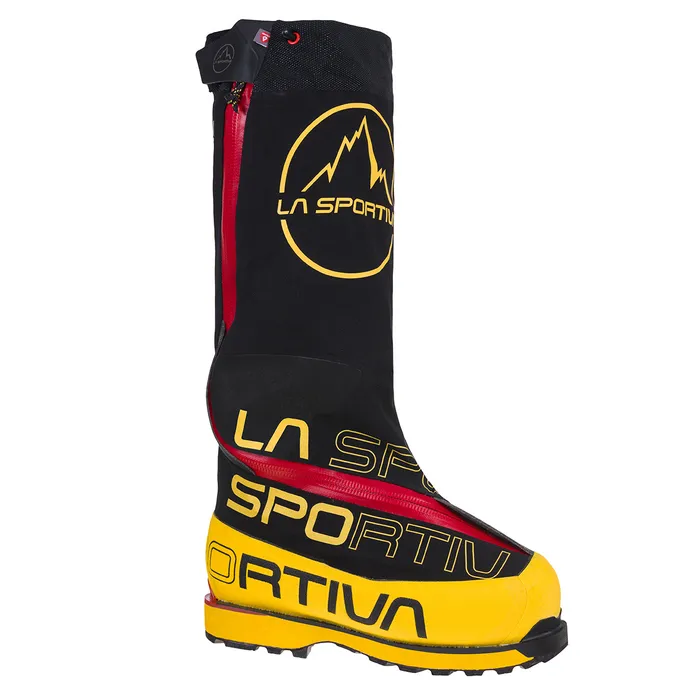
For 8000m+ peaks, specialized triple boots are essential, featuring an integrated gaiter, rigid shell, and removable insulated liner for maximum warmth and protection in extreme altitude.
These boots prioritize insulation, lightweight design, and safety features for high-altitude performance.
Top models:
Scarpa Phantom 8000 – very lightweight, warm, available with heated options
La Sportiva Olympus Mons Cube – extremely warm, dual BOA system, high performance
Millet Everest Summit GTX – durable, reliable, excellent insulation
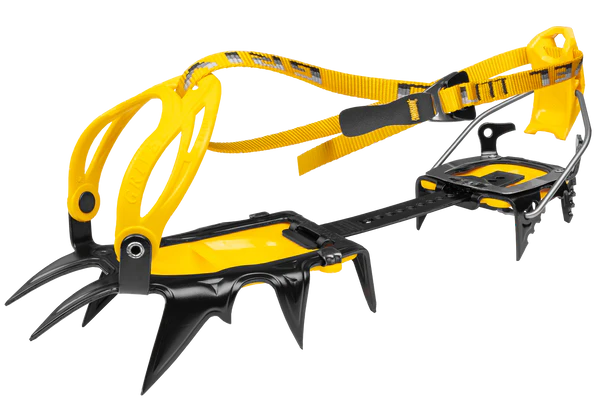
For a 8000m+ peak expedition, crampons provide essential traction on snow and ice for safe movement in alpine terrain. Lightweight steel 12-point crampons with horizontal front points offer the best balance of durability and stability on mixed terrain (snow, ice, and rock).
Recommended models:
Petzl Vasak – lightweight, reliable all-round mountaineering
Black Diamond Sabretooth – versatile and durable on mixed terrain
Grivel G12 – classic, robust, and dependable for high altitude
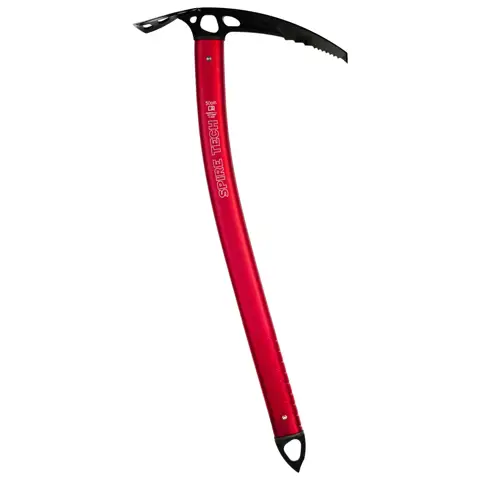
An ice axe is a key mountaineering tool used for balance, self-arrest, and climbing on snow and ice. For 8000m+ peaks, a lightweight, slightly curved (semi-technical) axe is recommended, as it allows better performance on steeper sections where fixed ropes may not be present. Length should be chosen based on your height and terrain.
Recommended models:
DMM Vertex – lightweight, technical, and versatile
Black Diamond Raven Pro – light and reliable for general mountaineering
Both HMS (pear-shaped) and auto-locking carabiners are essential for a 7000m expedition, serving complementary roles in high-altitude mountaineering.
HMS carabiners are ideal for belaying, Munter hitch use, rappelling, and anchor management due to their large, rounded shape. Auto-locking carabiners are highly recommended in cold environments, as they reduce the risk of accidental opening when screw gates freeze or loosen, and are easier to handle with gloves.
For 8000m peaks, carry a combination of both, prioritizing reliability and ease of use with mittens.
Recommended: Petzl Attache or DMM Boa
Quantity: 3–4 pieces
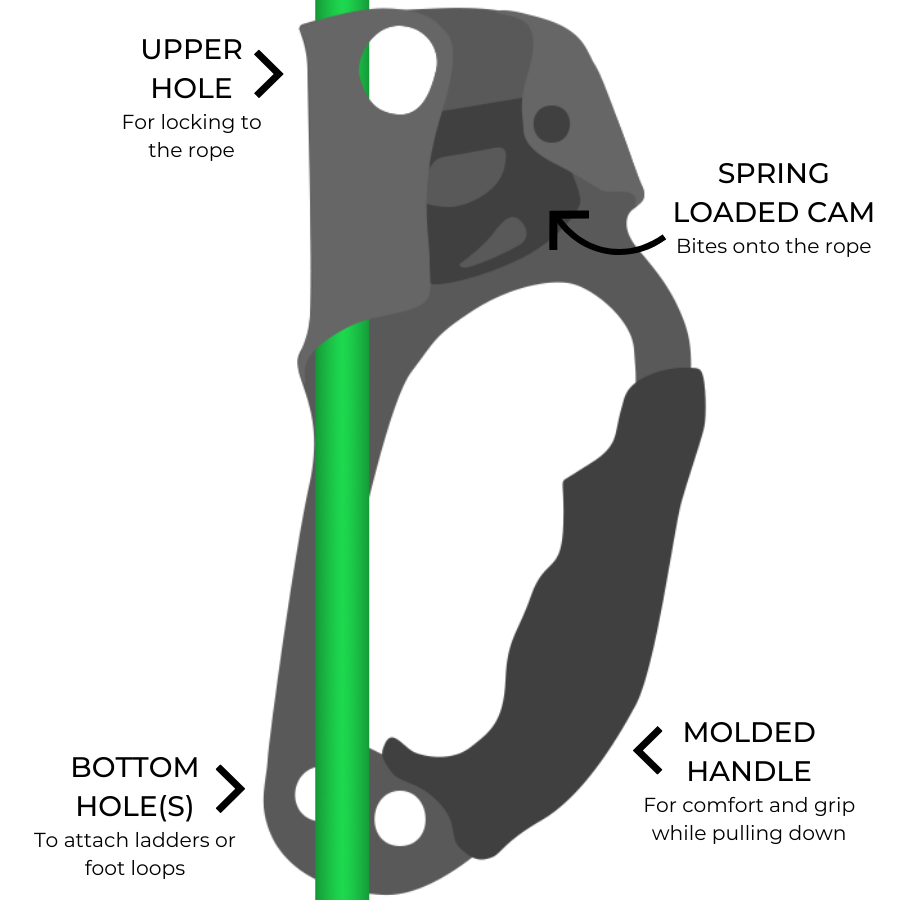
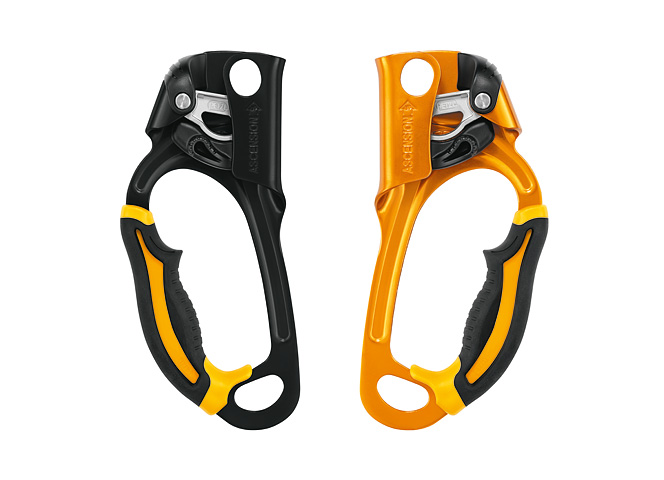
A jumar is a mechanical device used to ascend ropes, gripping securely when weighted for safe and efficient movement on fixed lines.
They are designed for left and right-hand use, and using a pair improves balance and efficiency on steep terrain.
Recommended: Petzl Ascension
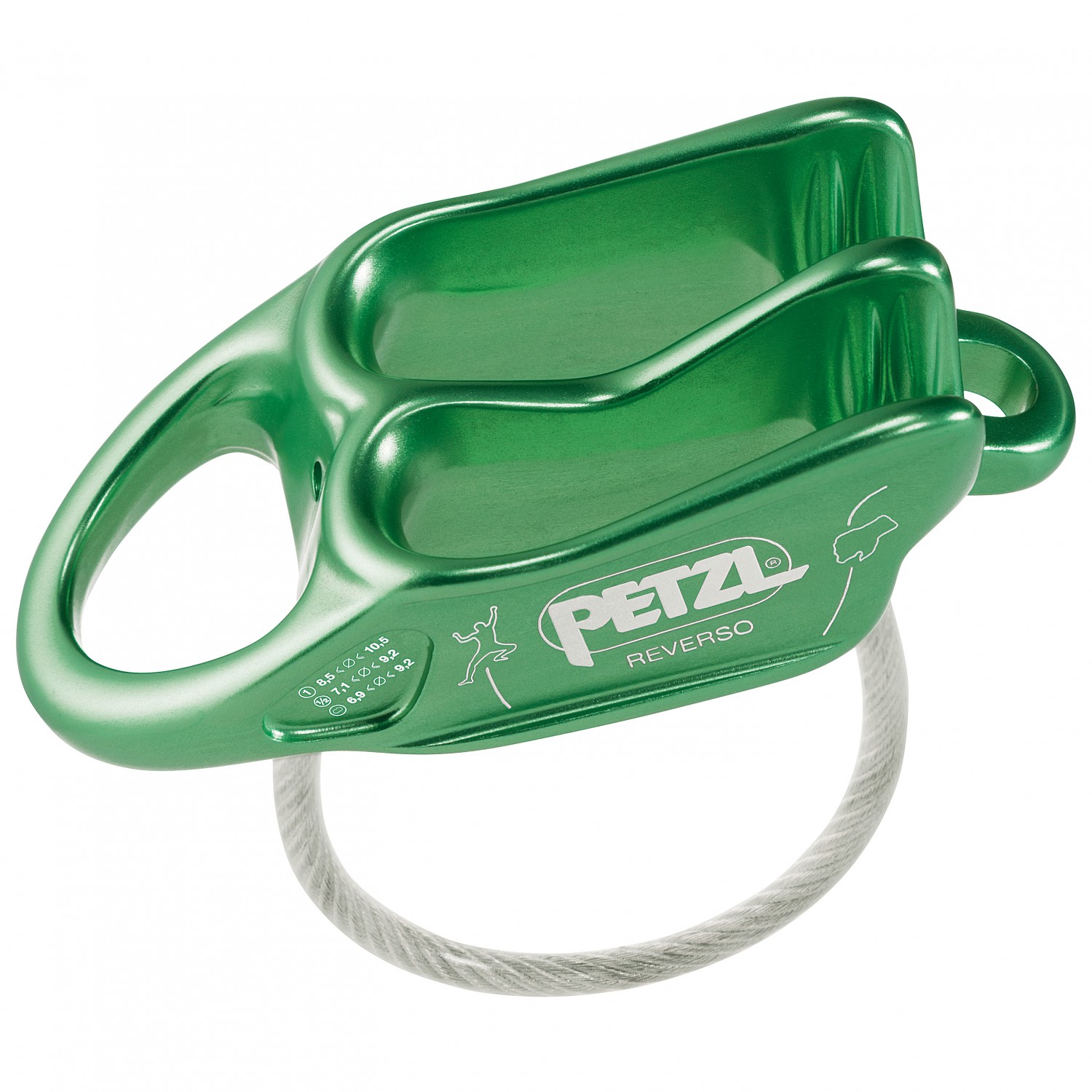
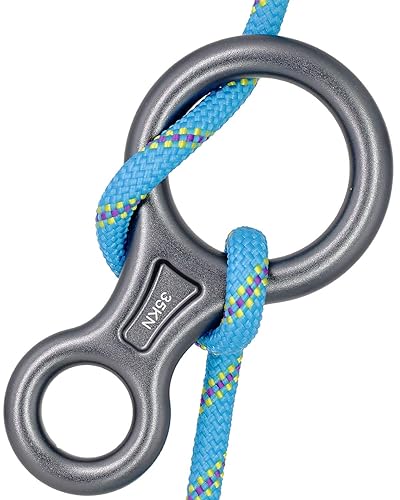
A compact metal device used to control the rope during belaying or rappelling. It provides friction to safely manage a climber’s fall, lower a partner, or descend in a controlled manner. Suitable for both single and double ropes depending on the device type.
You may choose a device that you are most comfortable using, such as an ATC Guide (with guide mode) or a Figure of Eight or Petzl Reverso
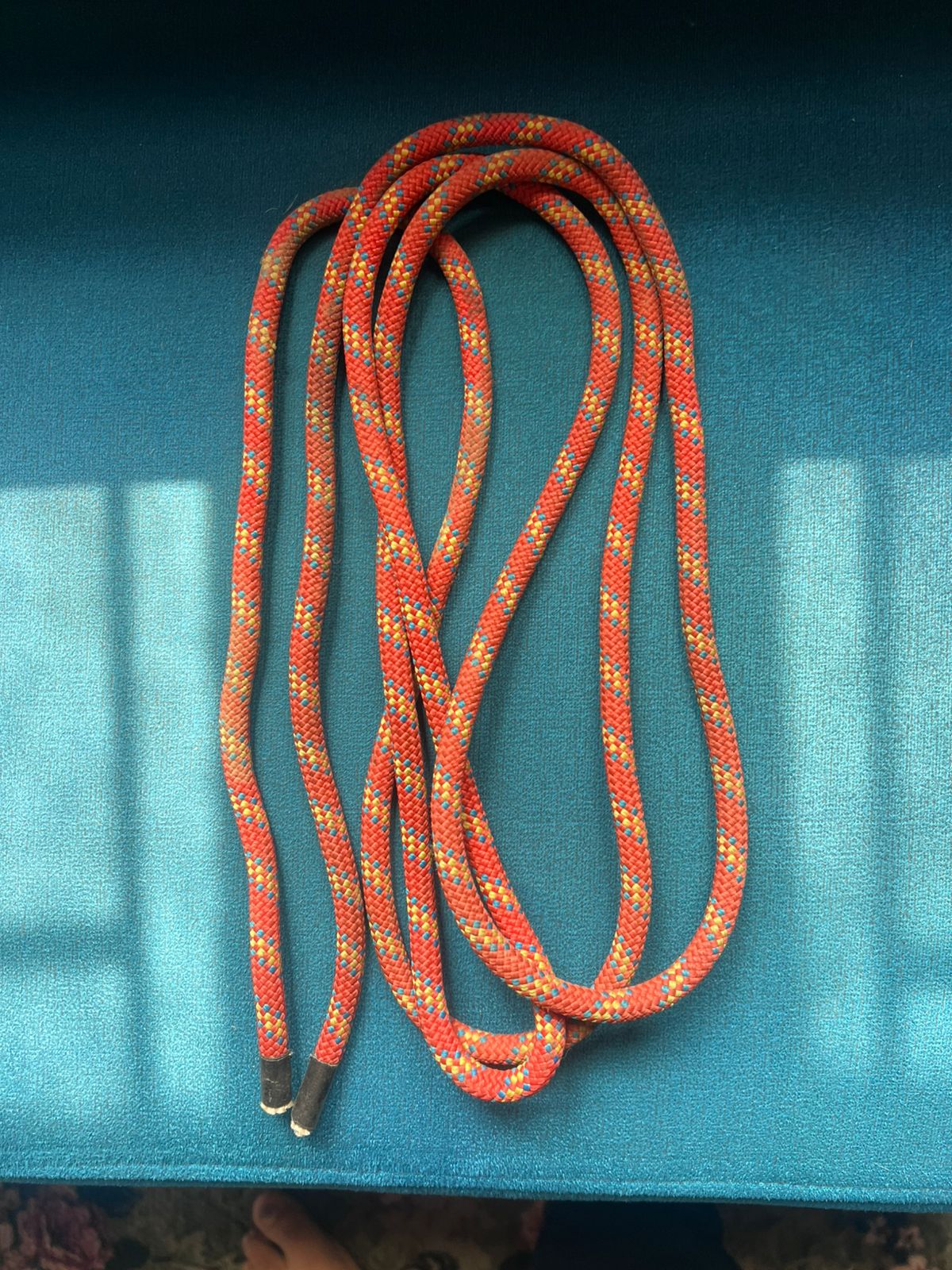
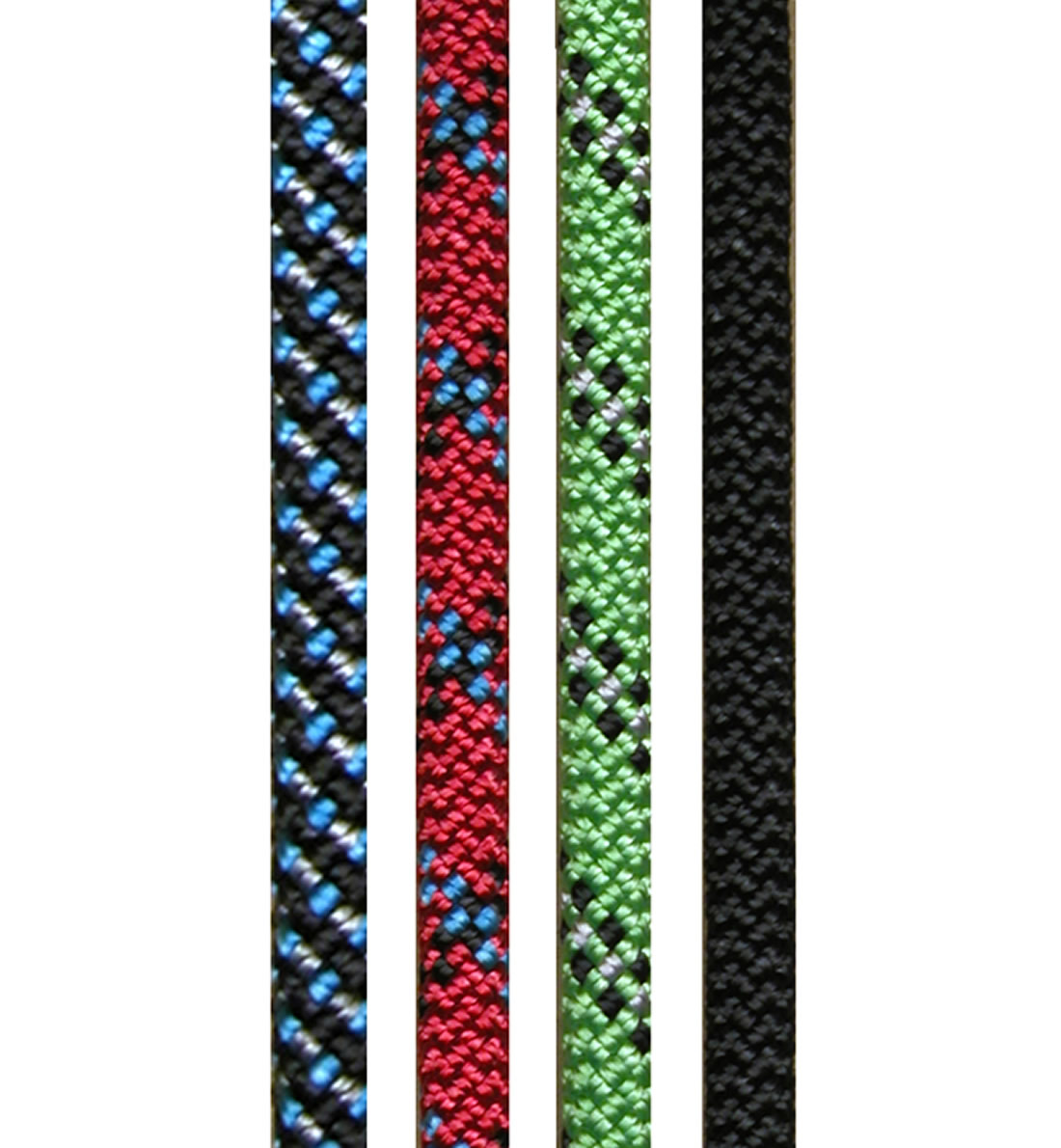
3 m long 8–9 mm dynamic rope for personal use, and a short rope for safety backup during jumaring and technical sections.
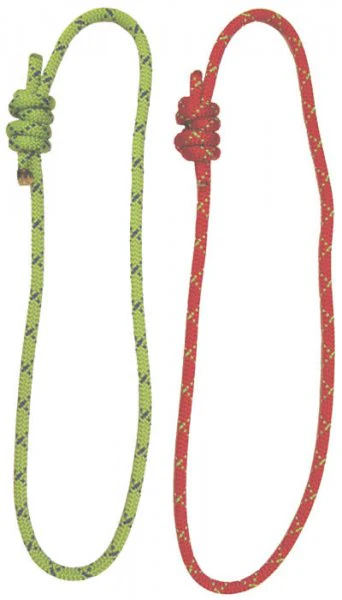
Prusik Rope – Small-diameter cord used for backup, ascending, self-rescue, or creating friction on a fixed rope. 3 meters around
35 Days