Footwear:
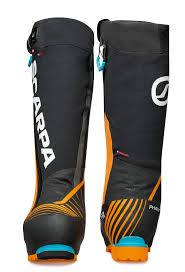
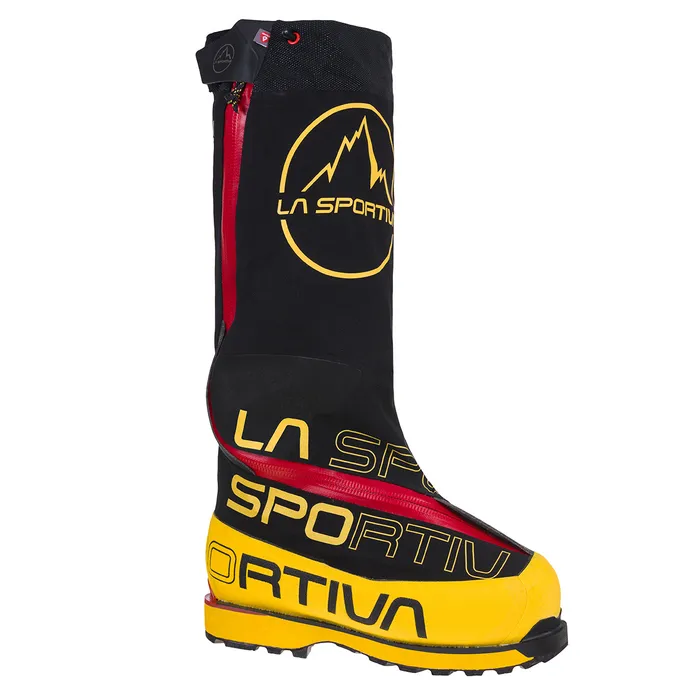
- Climbing boots: Scarpa Phantom 8000, La Sportiva Olyumpus Mons, Millet Everest One Sports, Kayland 8000.
- Cold weather boots for base camp: They should be insulated boots. Sorel or Baffin.
- Running shoes and/or trail shoes: For travel & easy walking.
- Sport sandals: Tevas, Chacos or Crocs are great for shower day, visiting Monasteries and relaxing during the trek.
- Lightweight hiking boots: For trekking to Base Camp. Leather or fabric/leather with a sturdy mid-sole and vibram sole.
- Gaiters: For use with light hiking boots, short and simple are better, such as Outdoor Research’s Rocky Mountain Low Gaiters.
- Booties: Down or synthetic, any brand with thick foam soles is recommended.
- Lightweight socks: Three to four pairs synthetic/wool blend (Fox River, Patagonia, Smartwool).
- Midweight / heavy socks: Three to four pairs synthetic/wool blend (Fox River, Patagonia, Smartwool).
- Liner socks: Three to four pairs Capeline or silk.
Clothing:
- Lightweight long underwear top: (Patagonia Capilene, REI, Mountain Equipment Co-op).
- Expedition weight long underwear tops: Zip T- neck design is good. Light colors are better for tops because they are cooler when hiking in direct sunlight and just as warm as dark colors when worn underneath other layers. (Patagonia, North Face, Mountain Hardwear).
- Lightweight long underwear bottoms: (Patagonia Capilene, REI, Mountain Equipment Co-op)
- Expedition weight underwear bottoms: Dark colors are preferable because they do not show dirt. (Patagonia, REI, Mountain Equipment Co-op).
- Briefs: Four pairs synthetic or cotton, running shorts also work well for underwear.
- Short-sleeved shirts: Two synthetic; most nylon running shirts or athletic shirts work. (North Face, Patagonia).
- Jacket synthetic or fleece: Synthetic insulated jackets or pullovers are a great alternative to fleece because they are lighter and more compressible. Primaloft type fill or Polartec 100 or 200 fleece is recommended. (Wild Things Primaloft, Patagonia, Outdoor Research)
- Synthetic insulated pants: Primaloft or Polargard HV fill with full side zips are recommended. Mountain Hardwear Compressor pants are an example. An acceptable alternative are fleece pants Polartec 100 or 200, but they are bulky, heavier and less versatile.
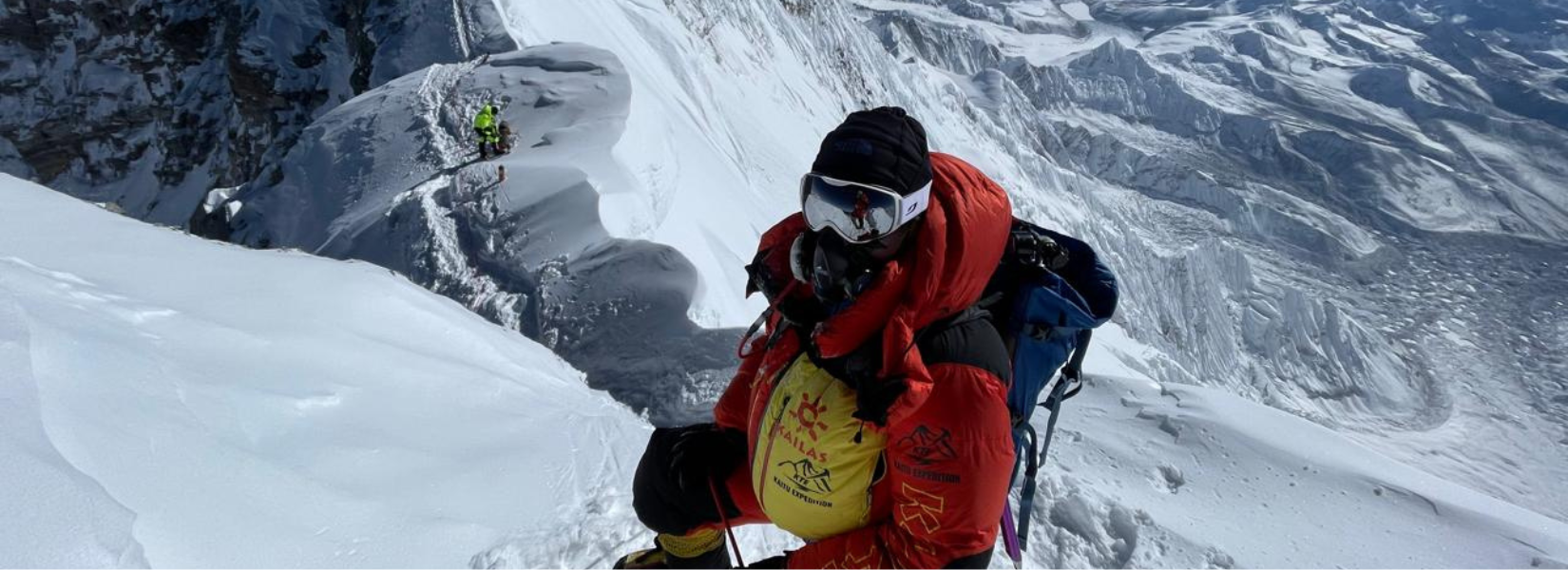
- Down suit: The best option for Everest summit day. Plan to wear very little underneath. (North Face).
- Down insulated jacket w/ hood: For Base Camp, the trek and lower camps on the mountain. (The North Face, Mountain Hardwear).
- Down pants: These are an option in addition to prima loft pants, can be useful at higher camps.
- Waterproof breathable jacket & pants: Ideally the jacket will have a hood and the pants will have full-length side zips. Bibs work well high on the mountain, but are often too hot and bulky at lower elevations. Gore-Tex XCR and H2NO fabrics are lightweight. (ArcTeryx, Patagonia, Mountain Hardwear).
- Wind shirts / light shell jacket: Light colors are preferred for comfort on hot days on the glacier.
- One piece climbing shell (optional): One piece shell such as Arcteryx Alpha suit.
Head & Hand Gear
- Liner glove: lightweight synthetic (Patagonia or any brand of PowerStretch).
- Windstopper fleece gloves: Two pairs (any brand of Windstopper fleece).
- Insulated climbing gloves: Black Diamond Guide Gloves
- Mittens with liners: Two pairs, one for summit day (Outdoor Research Alti Mitts) and a utility pair of mittens for hard use in the icefall (Outdoor Research Expedition Mitts with fleece liners).
- Bandanna: Two or three traditional cotton style.
- Sun hat: Any lightweight hat with a good brim or visor. (Berg Adventures Ball Cap).
- Wool or fleece hat: Bring two, one lightweight, one heavier. Any brand of warm hat that can go over ears.
- Balaclava: One heavy weight and one light weight. Some people layer a very thin Capilene Balaclava under a thicker fleece one.
- Face mask: Optional, another good option is a neck gaiter/cozy.
Accessories
Sunglasses: One pair high quality 100% UV, 100%IR, for travel and lower elevations.
Glacier glasses: One pair high quality 100% UV, 100%IR min 80% light reduction, side shields are optional, but size and shape of lens should offer maximum protection from bright light on snow.
Ski goggles: Test to assure a good fit on your face. Smaller goggles will likely work better with your oxygen mask.
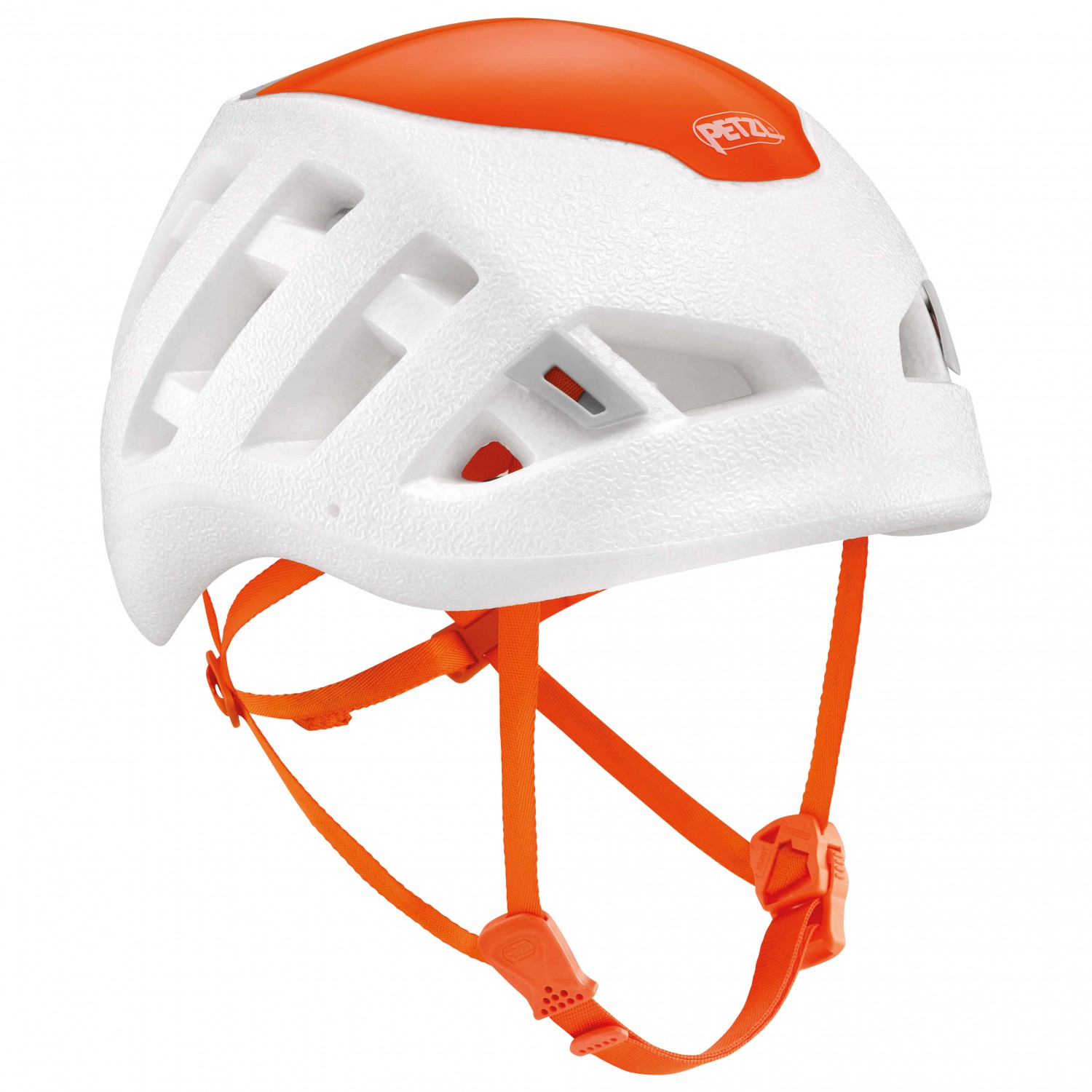
Headlamp w/ spare bulb: Bring two AA or AAA battery powered units (Petzl or Black Diamond)
Spare batteries: For headlamp and other gadgets you bring. We like lithium AA’s and AAA’s and find they are worth the extra expense for cold expedition conditions.
Climbing Equipment:
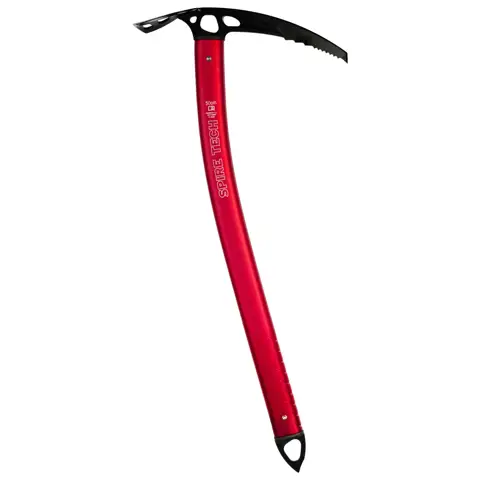
- Ice axe: General mountaineering axe, mountaineering “walking” length, 60 – 80 cm length, depending on your height. Shaft should not have a rubber grip. You will need a leash to attach axe to you harness not a “wrist loop”. Bring a commercial leash designed for glacier travel or 6 ft of 9/16 inch webbing and we will help you construct one (Grivel or Black Diamond).
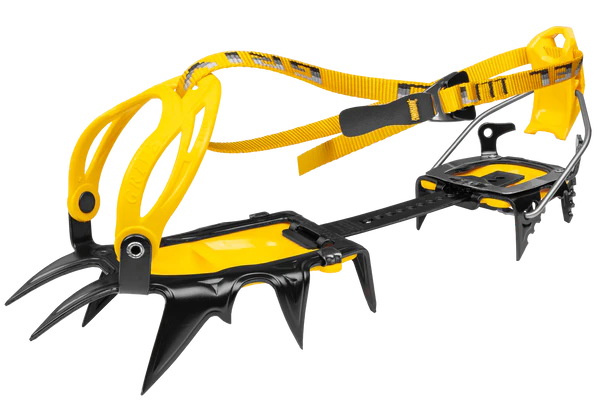
- Crampons: 12 point step-in, some climbers bring two, but this is likely not necessary and we can have replacements sent from Namche (Grivel or Black Diamond).
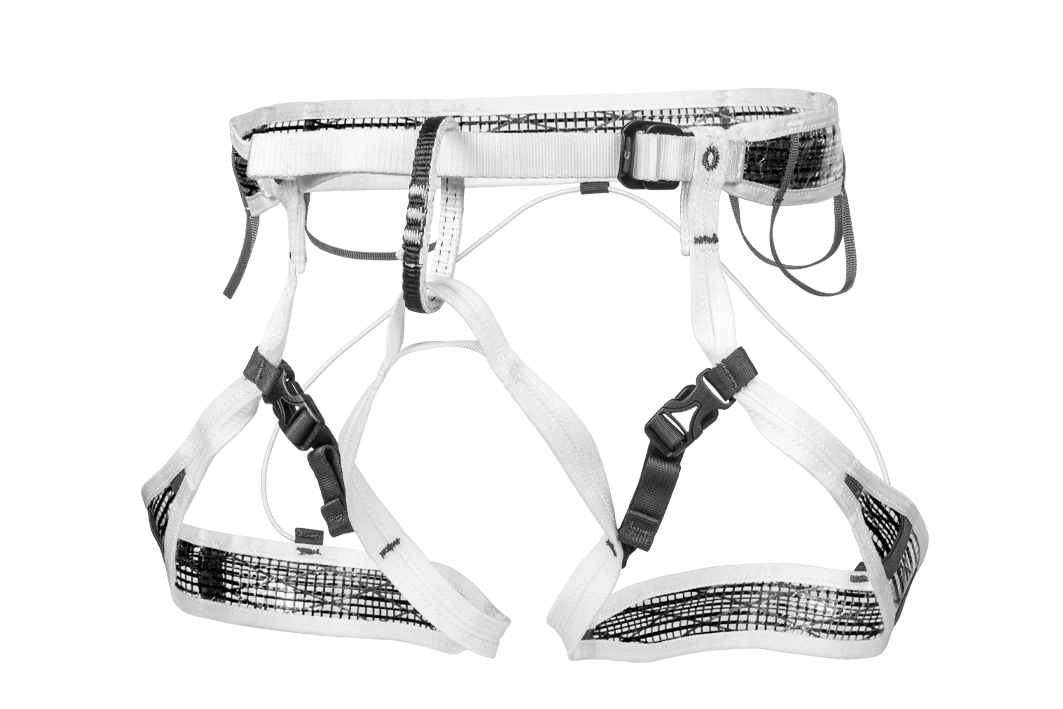
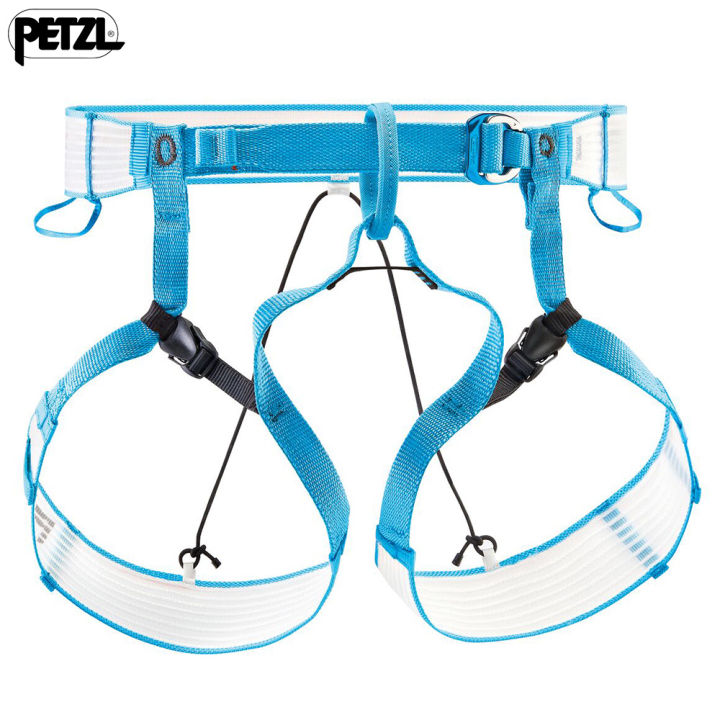
- Harness: Alpine style, you should not have to step through leg loops to put it on and off, lightweight, fully adjustable (Black Diamond).
- Carabiners: Two large locking “pear” shaped, four oval-shaped (Black Diamond, Petzl).
- Webbing: 20 feet 3/16 “Supertape” – used for constructing leashes.
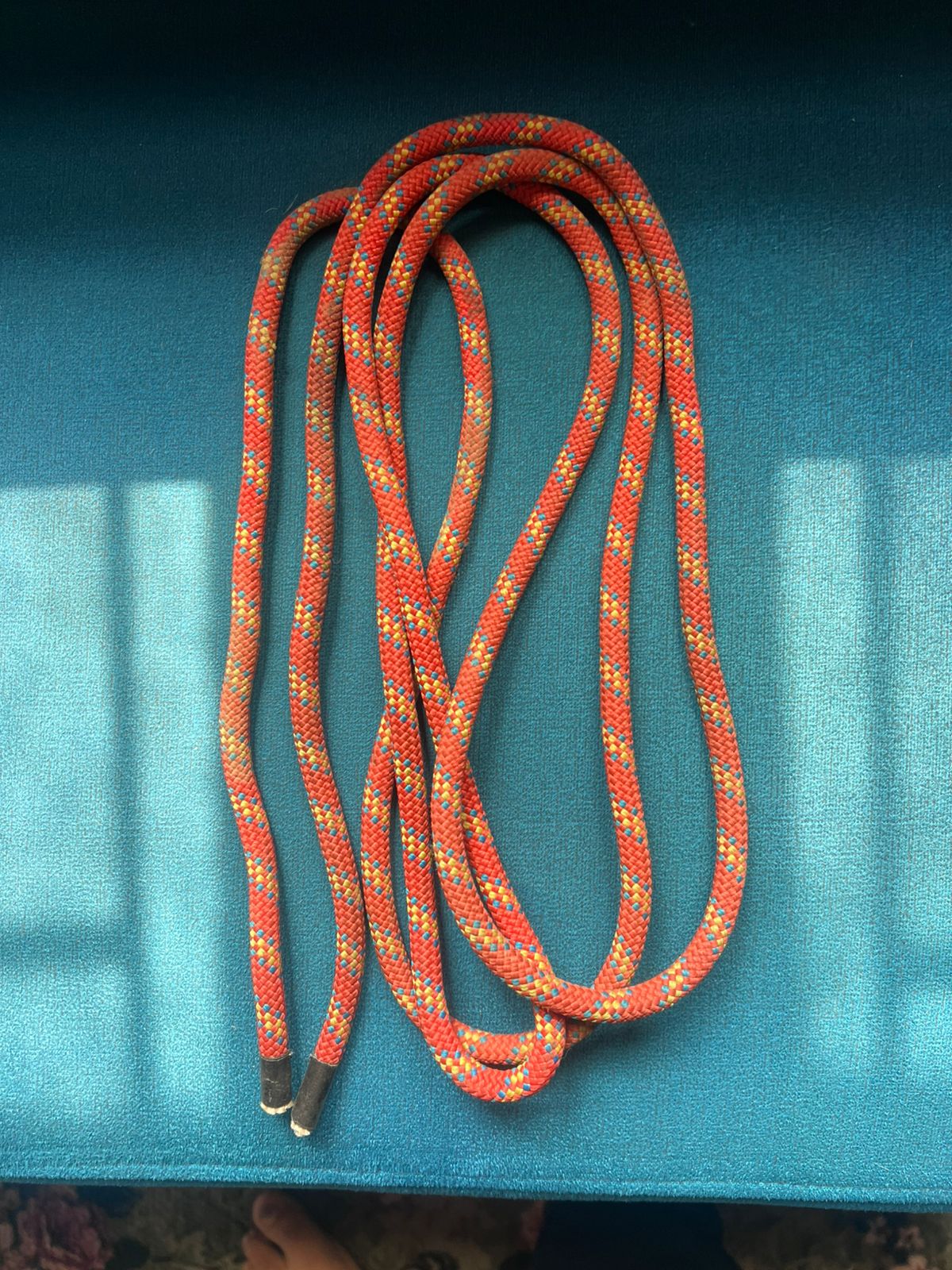
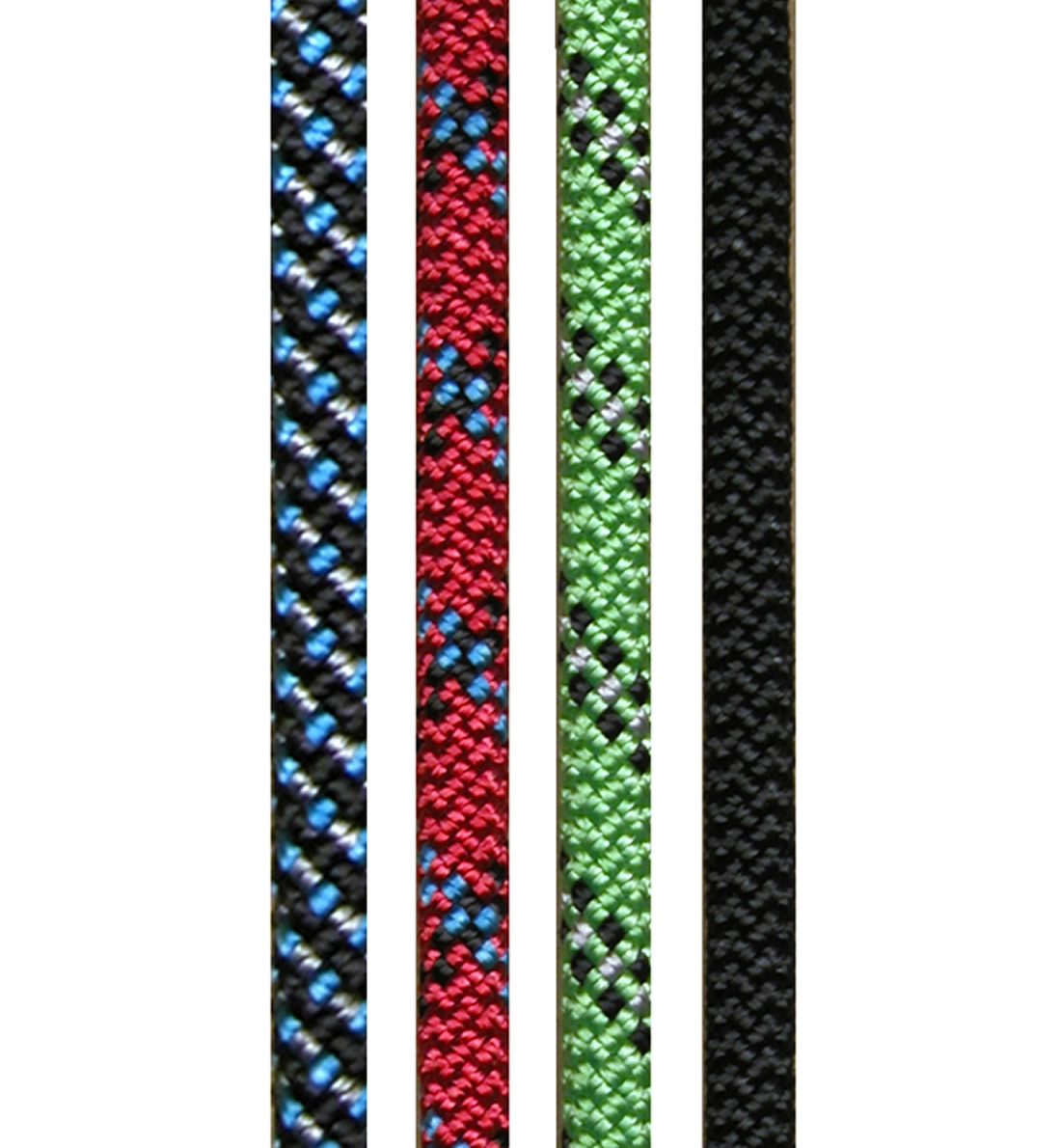
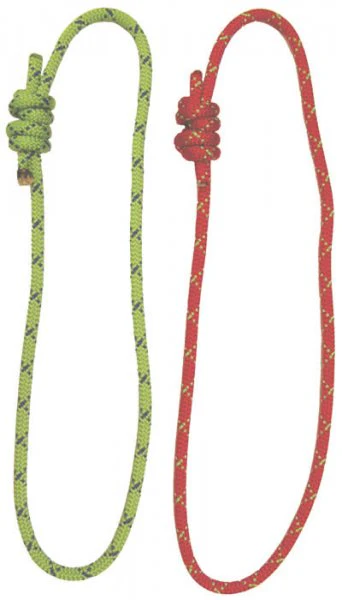
- Perlon cord: 20 feet of 6mm perlon cord, also known as accessory cord in climbing stores.
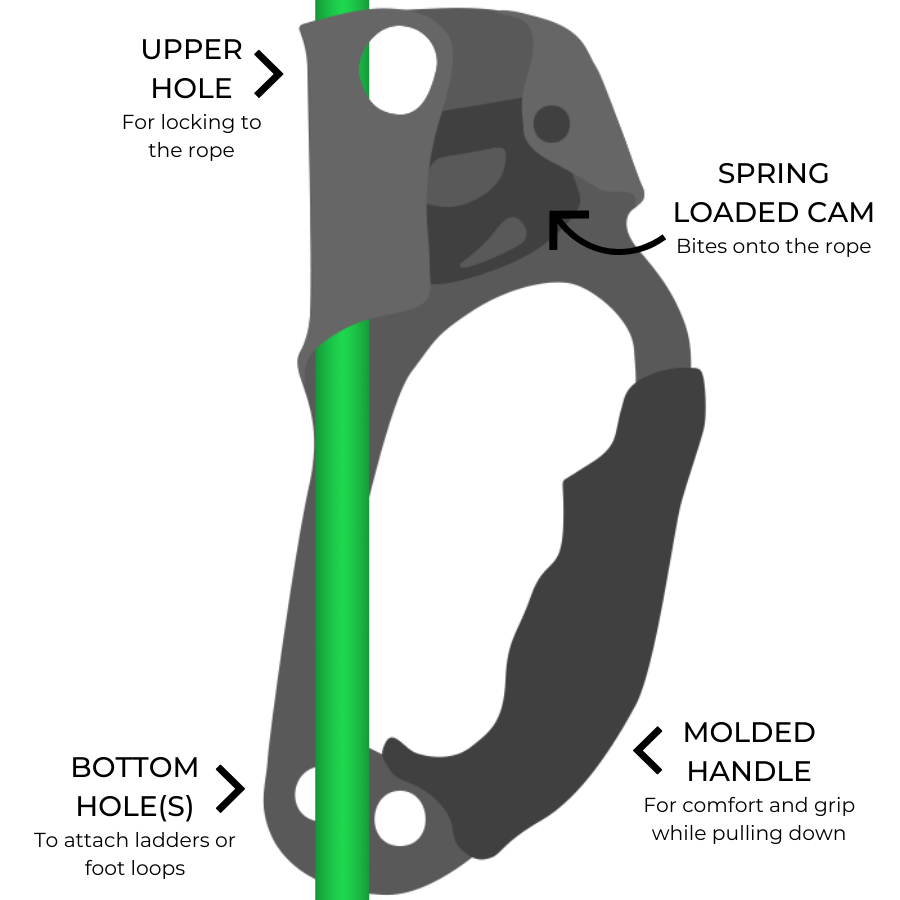
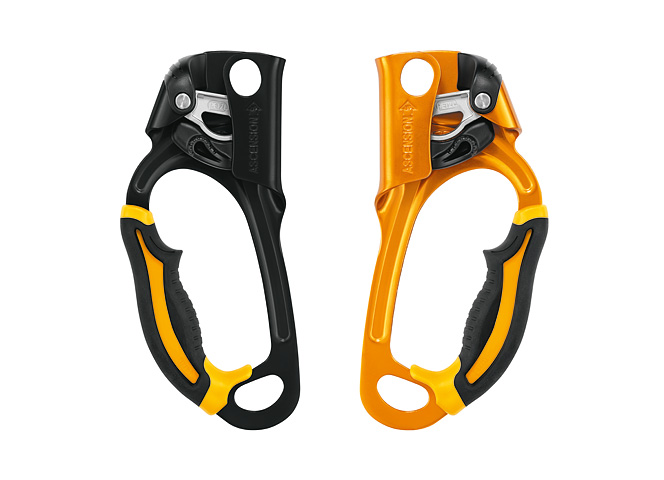
- Ascenders: You will need two (Petzl or Black Diamond).
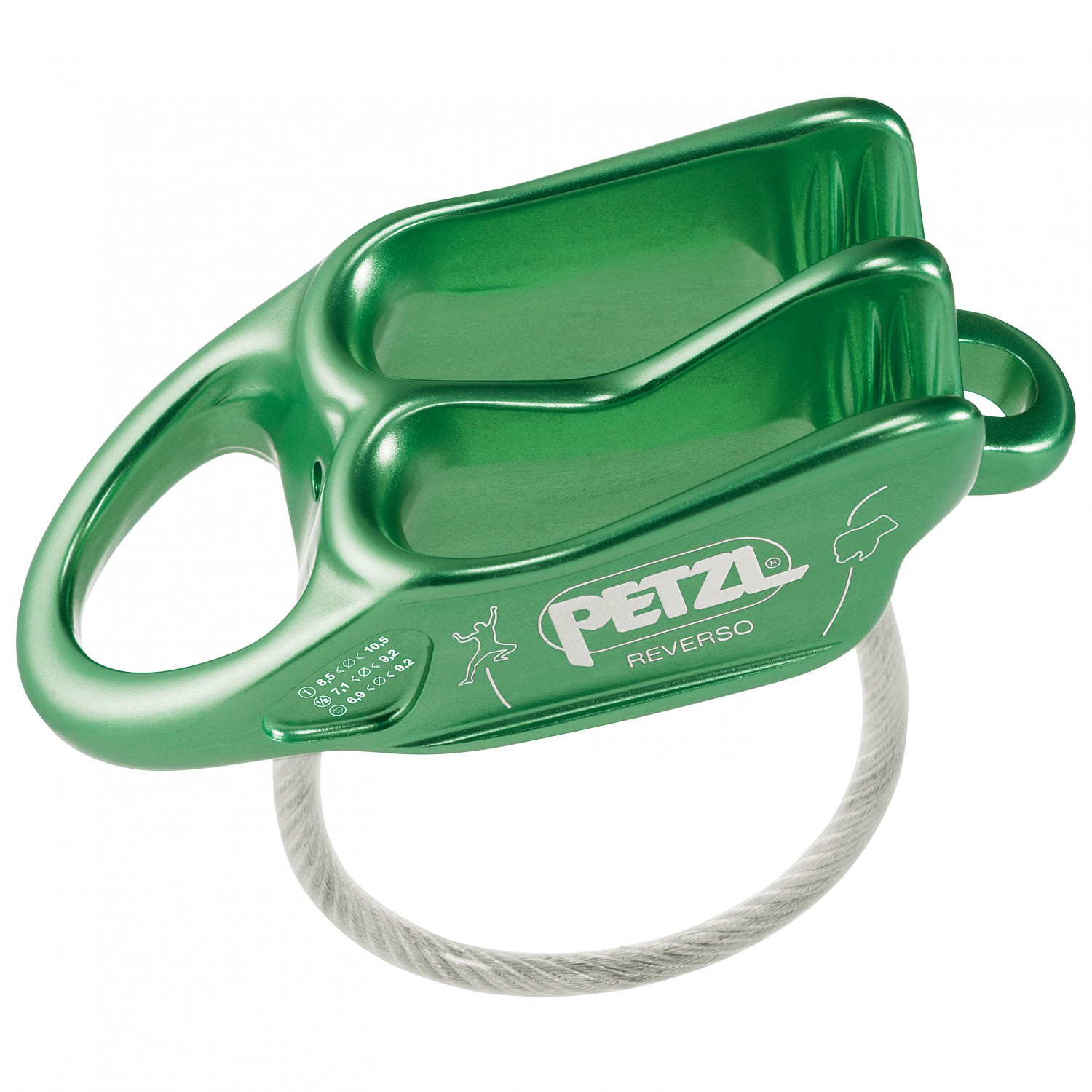
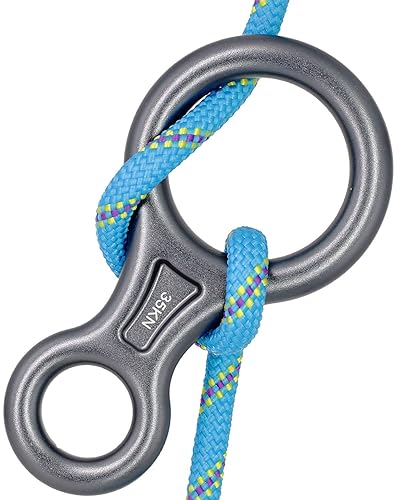
- Rappel device: ATC, Figure 8 or similar (Black Diamond).
Camping Gear
- Backpack: Top opening mountaineer’s rucksack style is best. Avoid large zipper openings and excessive outside pockets. Larger packs are better than smaller, because they are easier to pack with cold hands and they distribute loads more effectively. Wild Things “Andinista” has been a favorite for years. It is ideal for the trek and all the climbing you will do. Arc’teryx and Osprey also have good lightweight packs.
- Day pack: Should be simple, useful for airline carry on, the trek in and short jaunts around Base Camp.
- Two Sleeping bags: -40C/-30F Down 800 fill (Western Mountaineering, Mountain Hardwear). Your second bag can be -20C/-5F. One bag stays on the mountain and the other at Base Camp. Your larger bag may be the one that stays at Base Camp; higher on the mountain you will share tents and you will be more concerned with bulk and weight.
- Compression stuff sacks: To reduce the volume of sleeping bags and clothes. There are a variety of lightweight sacks now available (Outdoor Research).
- Sleeping pad: Inflating, full-length (Therm-a-rest).
- Foam pad: Your sleeping pads stay on the mountain. At Base Camp you will have a Nepalese mattress, so you do not need a second sleeping pad set (Ridgerest).
- Water bottles: Two 1 liter, leak-proof wide-mouth (Nalgene).
- Lightweight steel thermal bottle: One or two. One liter size. (Nissan, Thermos).
- Pee bottle: Two 1 quart (1 liter), leak-proof wide-mouth, one for Base Camp and the other for high camp (Nalgene).
- Pee Funnel for Women: (Freshette).
- Pack towel: Medium size, do not bring “terrycloth”, bandanas work in a pinch (Pac Towel).
- Trekking poles: Should extend and shorten (Leki 3-section, Black Diamond).
- Swiss army knife/multitool: Remember not to leave in carry-on bags for any international or domestic flight.
- Large mug, plastic bowl, fork and spoon: For Camp 1 and Camp 3. Bowl and mug should be large.
Medical & Personal
Sunscreen: SPF 30 or higher, non-oily (Dermatone or L’Oreal).
Lipscreen: SPF 30 or higher, any brand.
Toiletry kit: Toothbrush, toothpaste, skin lotion, alcohol-based hand sanitizer, soap, comb/brush, shave kit, (bring travel size bottles to keep your kit small).
First-aid kit: Ibuprofen/Aspirin, assorted band-aids, moleskin, Neosporin-type suave, small gauze pad, roll of adhesive tape, tweezers, safety pins. Include any prescription travel meds that might be prescribed by your doctor (antibiotics, Diamox, sleep aids).
Water purification tablets: Such as Potable Aqua brand iodine tablets. You will be given plenty of purified water during your trek, but one bottle of backup purification tablets is always a good idea for your travels. They are especially useful in hotels on your way to Nepal. You should not drink untreated tap water anywhere in Asia and bottled water in some rare cases might not be available.
Zip-loc bags: Always useful, and not available in Nepal. We especially like the large storage size for organization and storage at Base Camp.
Baby wipes or wet towels
Ear plugs: Very useful in noisy lodges and tents. Available in most hardware stores and drug stores.
Travel Items
- Expedition duffel bag: Two large, 8000+ cubic inches. Light colors are better for labeling with your name (The North Face duffel, Wild Things “Burro Bag”).
- Small travel bag: Optional. Useful for storing things in Kathmandu, most soft sided ‘carry on’ type bags work well. You might also use an extra-large stuff sack (The North Face, Patagonia).
- Nylon stuff sacks: Several different sizes, light colors preferable for labeling.
- Lightweight long sleeve shirt: cotton, comfortable.
- Hiking pants and/or skirt/sarong: One or two (“Supplex” is good material).
- Lightweight pants: One pair (any brand Supplex or “stretch woven” pant).
Why Choose Himalaya Summit Club for Your Everest Expedition? 🏔️
Climbing Mt. Everest (8,848.86m) is a once-in-a-lifetime achievement, and choosing the right team is crucial for success and safety. Himalaya Summit Club offers an unparalleled experience with expert guidance, strong logistics, and a high success rate. Here’s why you should climb with us:
🔹 Expert & Certified Guides
- Led by IFMGA/UIAGM-certified mountain guides with extensive Everest experience.
- Highly skilled Sherpa team with multiple 8,000m summits.
🔹 High Safety Standards
- Best acclimatization schedule to ensure a safe ascent.
- Oxygen support with top-quality bottles & mask systems.
- Medical backup & trained rescue team for emergencies.
🔹 Proven Success Record
- High summit success rate with well-planned rotations.
- Experienced in managing difficult conditions and ensuring climbers’ safety.
🔹 Premium Logistics & Comfort
- Well-equipped Base Camp with heated dining tents, communication facilities & nutritious meals.
- Top-quality gear & equipment for high-altitude conditions.
- Strong support from experienced porters, yaks, & logistics staff.
🔹 Personalized Climbing Experience
- Small group sizes for a more focused and guided experience.
- Tailored itinerary with flexibility for weather conditions & climbers’ needs.
🔹 Ethical & Responsible Climbing
- Committed to sustainable mountaineering & eco-friendly practices.
- Fair wages & proper insurance for Sherpas and support staff.