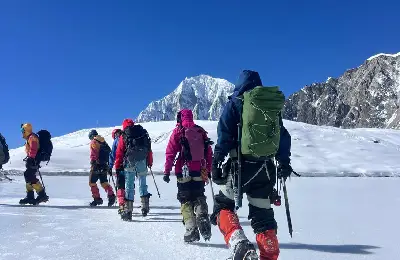
Provider: Himalaya Summit Club (HSC)
Location: Humde, Manang Region, Nepal
Duration: 15 Days (2–16 February)
Target Group: Everest Spring Expedition Climbers, Aspiring Ice Guides, and Technical Ice Climbers
Course Overview
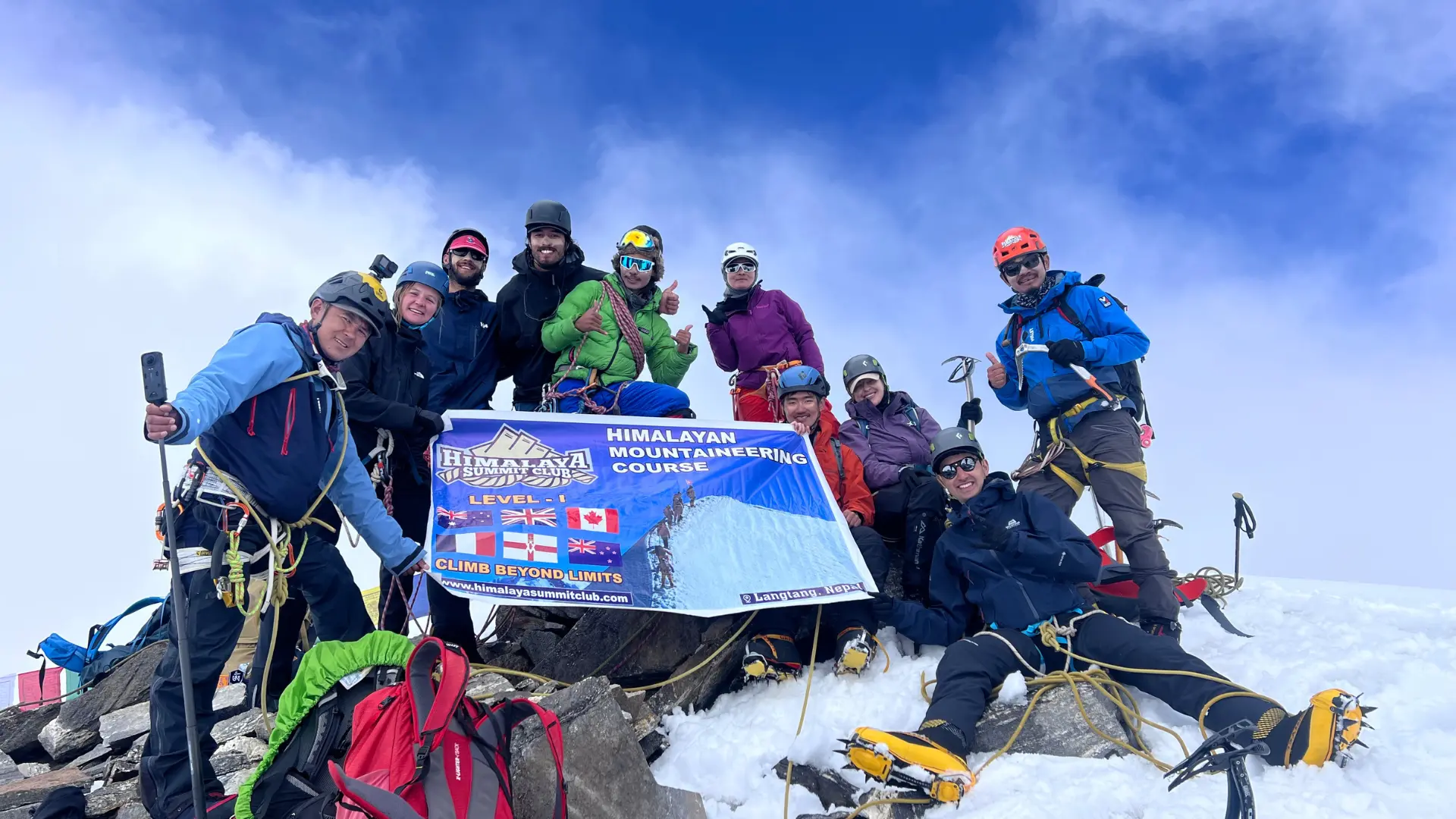
This Ice Climbing with Everest Training program is specifically designed for climbers preparing for an upcoming Everest Expedition and for those seeking a focused, high-quality waterfall ice climbing experience in a reliable winter ice environment.
The course emphasizes real-world techniques used in the Khumbu Icefall, including ladder crossings, fixed-line travel, and efficient ascending, descending, and traversing on steep, icy terrain. Participants gain both technical confidence and practical acclimatization benefits, while spending the majority of the program on actual ice rather than classroom-based training.
Beyond expedition preparation, this program also serves as a strong foundation for climbers interested in developing toward a professional ice climbing or guiding pathway—while keeping the experience engaging, hands-on, and enjoyable.
With the skills and conditioning gained here, a 2–3 week rest period at home before heading to Everest allows your body to recover and adapt—making your transition into the Everest Expedition smoother, safer, and more efficient on the mountain.
Why This Course Matters?
Many mountaineering programs list ice climbing as a core skill but offer limited real ice time. This course is structured to ensure maximum days on ice, progressive skill development, and realistic expedition simulations.
You will:
Course Objectives
“Train smart. Climb strong. Prepare for Everest the Right Way”
Arrival at Tribhuvan International Airport
| Start:Tuesday February 02, 2027 |
End:Tuesday February 16, 2027 |
Price: $2050 |
Status: Available |
|
| Start:Wednesday February 02, 2028 |
End:Wednesday February 16, 2028 |
Price: $2050 |
Status: Available |
Why Choose Himalaya Summit Club (HSC)
Program Customization
This course can be extended up to 14+ full ice climbing days for climbers seeking even more time on technical routes. Group and private options are available.
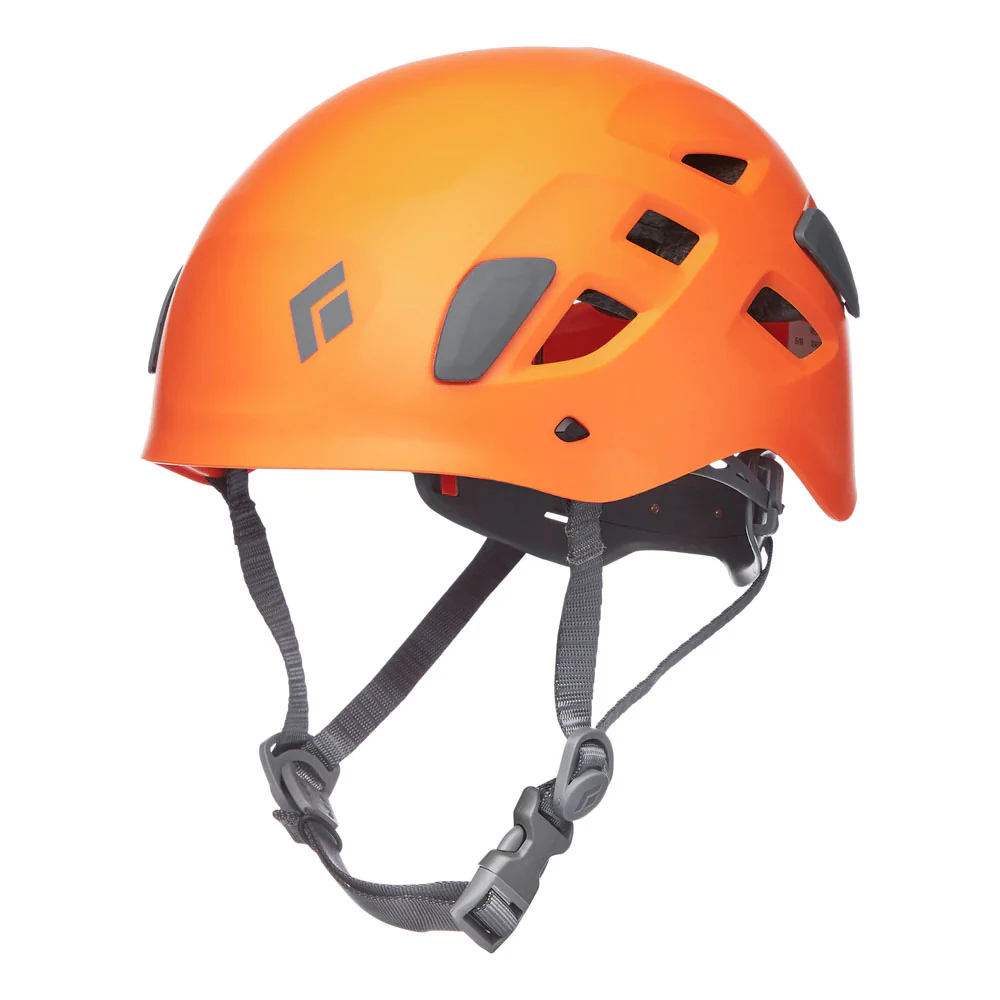
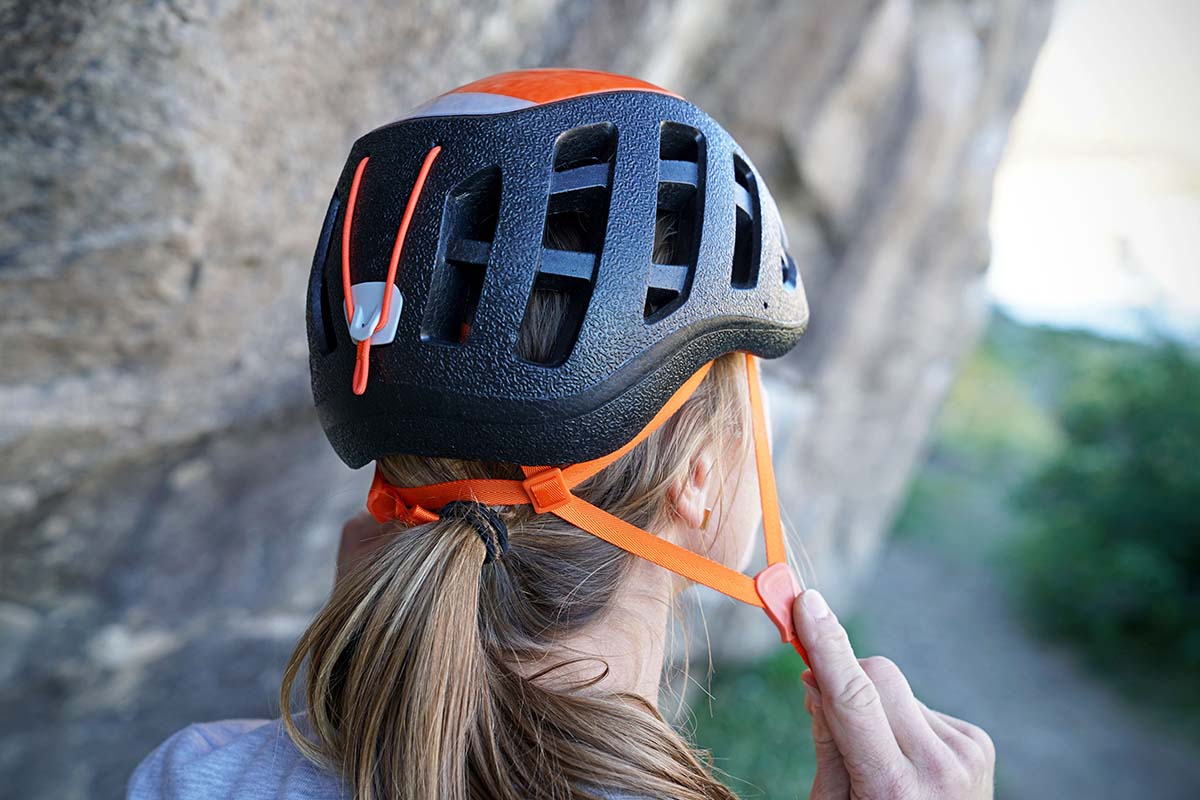
A lightweight and secure helmet that protects against falling rocks, ice, and impacts. Must meet UIAA or CE safety standards for alpine use.
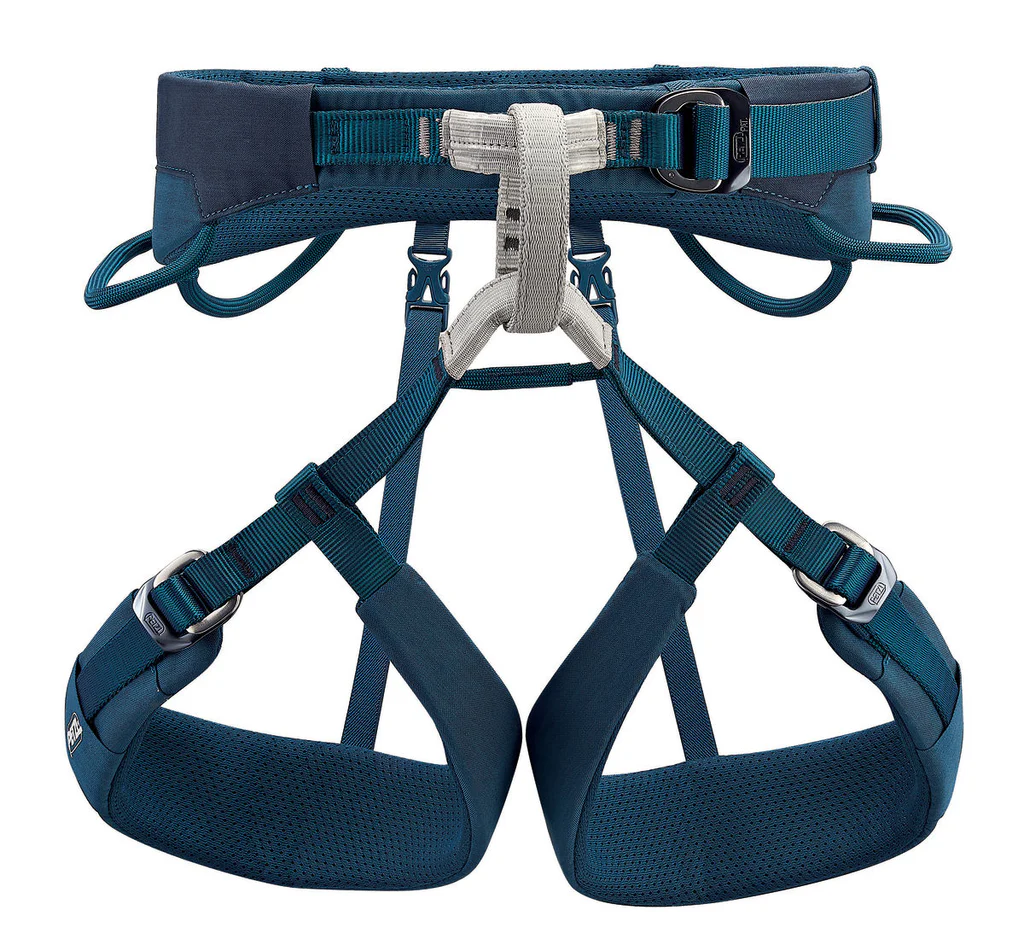
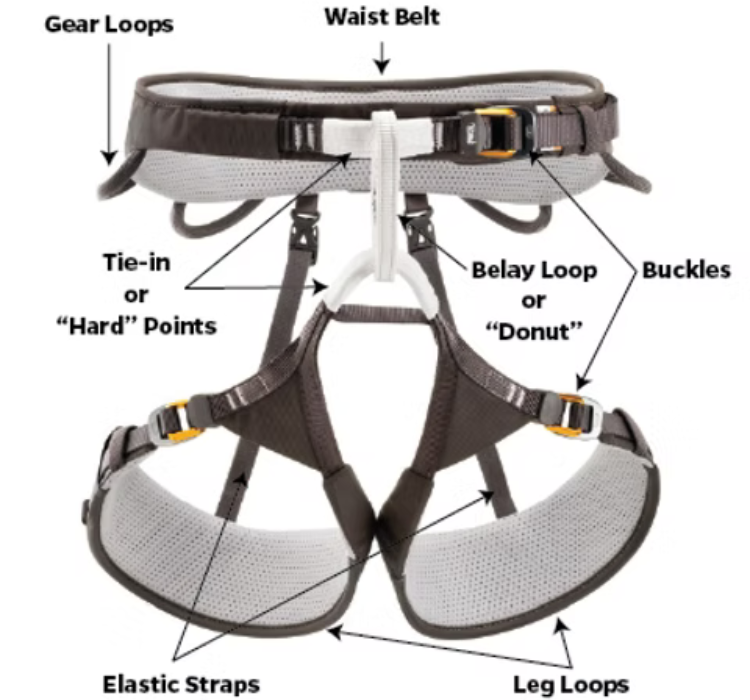
An adjustable alpine harness allows a secure fit over multiple layers, with adjustable waist belt and leg loops. A slightly thicker waist belt is recommended for better comfort and support during longer hanging or belaying. Lightweight and durable, it is essential for safe climbing and glacier travel.
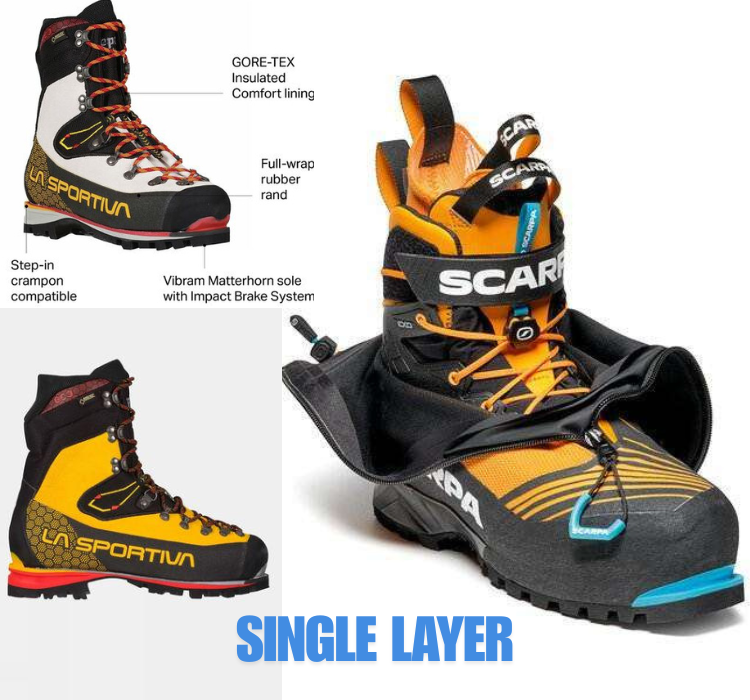
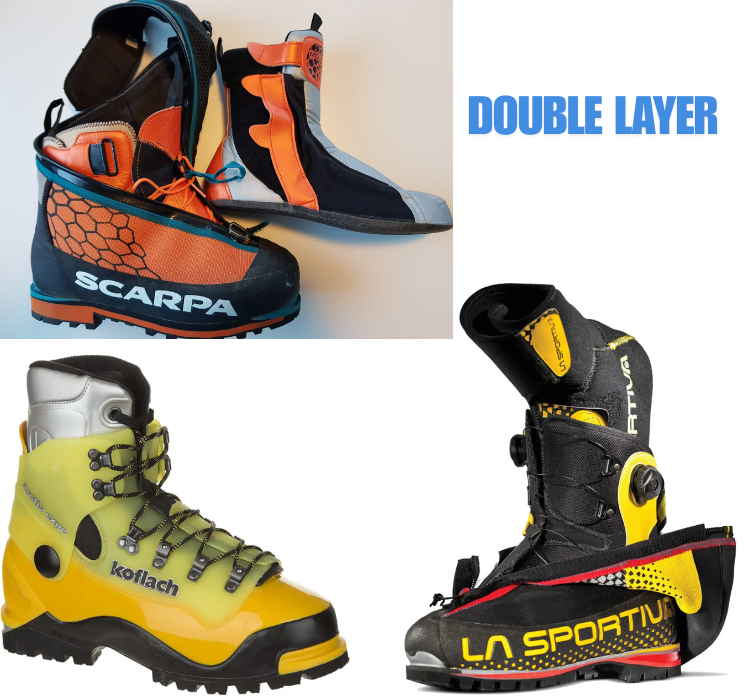
Mountaineering boots are critical for performance and safety in high-altitude environments, offering insulation, protection, and precise support on snow, ice, and mixed terrain. All boots must be compatible with crampons and suitable for cold, technical conditions. Recommend using B3 category boots, which are fully rigid and designed for technical mountaineering.
For November to March, we strongly recommend double-layer high-altitude boots such as La Sportiva G2 Evo or G2 SM for optimal thermal protection. Advanced single-layer options like Scarpa Phantom 6000, La Sportiva Nepal, or Cube may be used depending on conditions and individual experience.
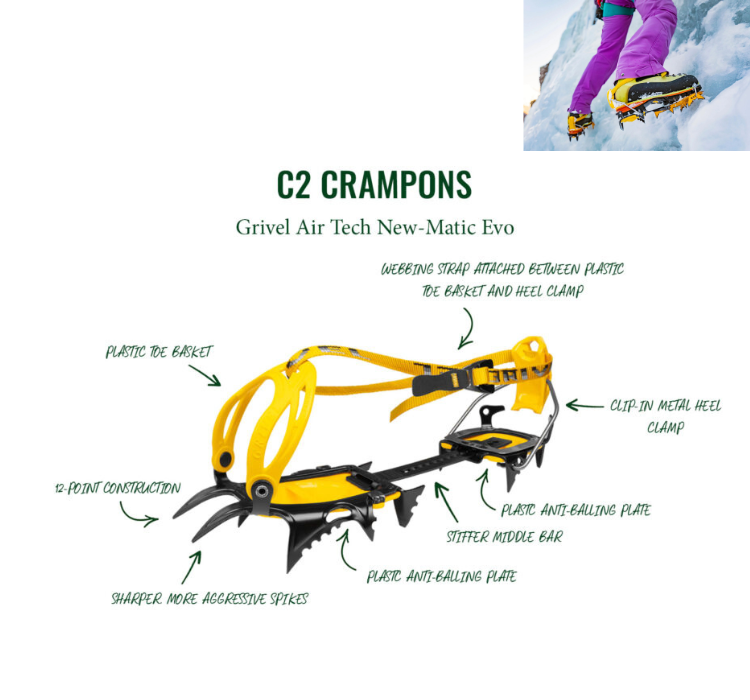
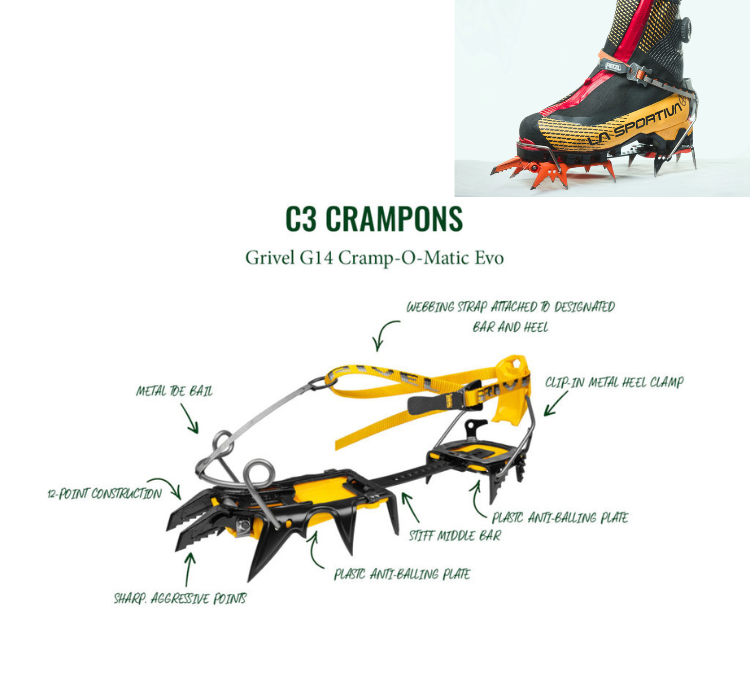
Crampons provide essential traction on snow and ice, allowing safe movement in alpine terrain. For mountaineering, C2 (semi-automatic) crampons are recommended for versatility and stability. For Technical ice climbing, C3 (automatic) crampons are preferred, offering a rigid fit and maximum precision.
Recommended models include:
Petzl Vasak, Petzl Sarken, Black Diamond Sabretooth, Grivel G12 (mountaineering)
Petzl Lynx, Black Diamond Cyborg, Grivel G14 (ice climbing)
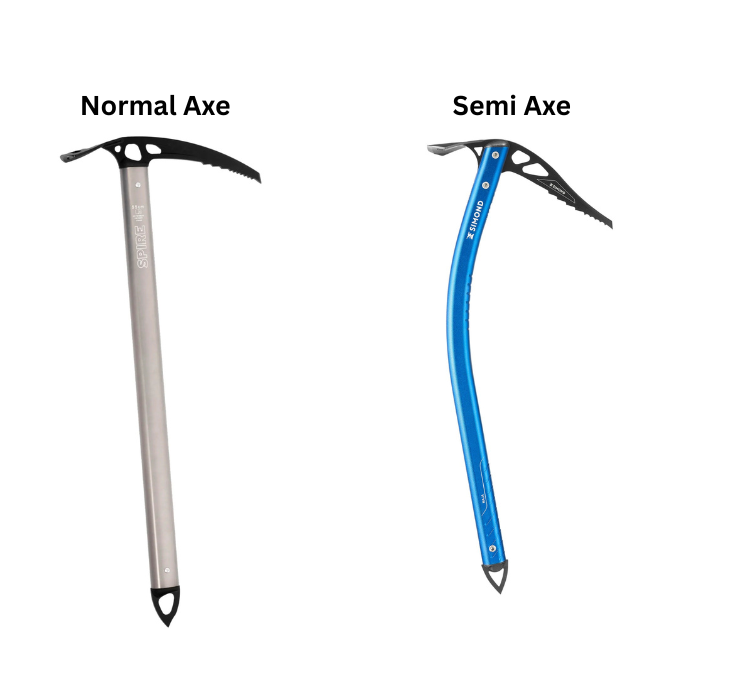
An ice axe is a key mountaineering tool used for balance, self-arrest, and climbing on snow and ice. It helps stop a fall, secure movement on steep slopes, and assist in step cutting when needed. For general mountaineering, a semi-technical ice axe is recommended, while a classic mountaineering axe is suitable for standard routes and training.
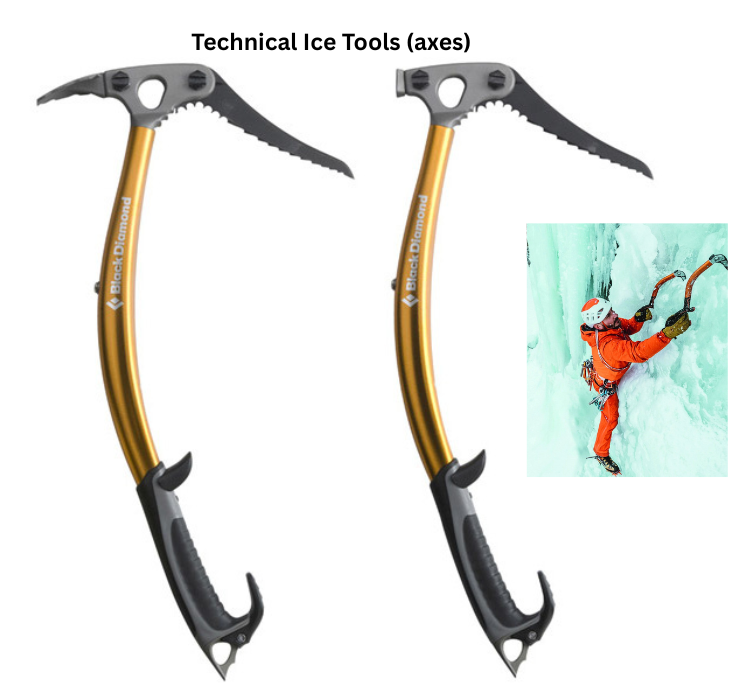
For more Technical terrain, Ice climbing tools are required. These are shorter and more curved, designed for steep and vertical ice, and used in pairs for better control and precision.
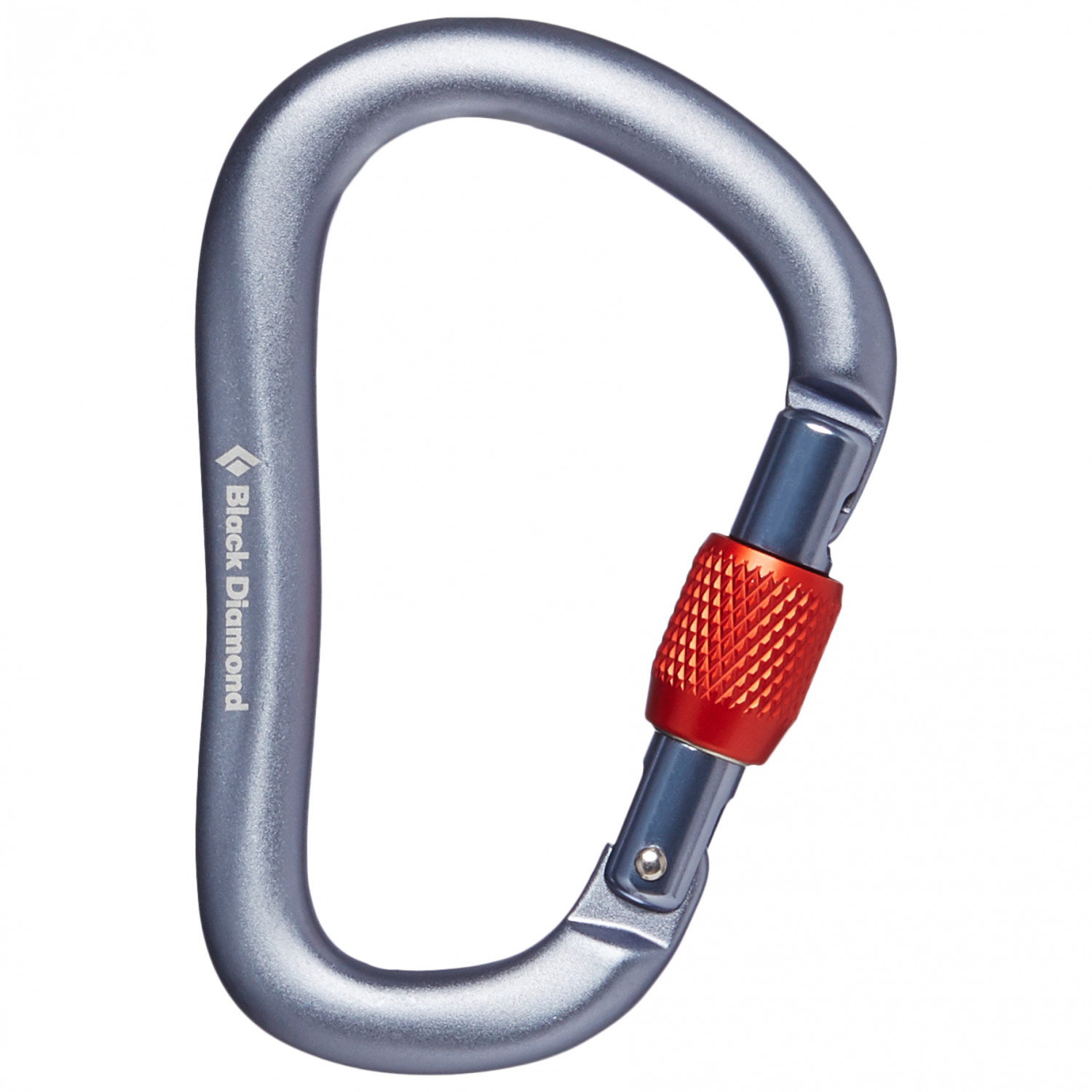
HMS Carabiner
A wide pear-shaped locking carabiner designed for belaying, rappelling, and tying a Munter hitch. Strong, secure, and essential for safe rope handling in climbing and mountaineering.
Required: 4 pcs
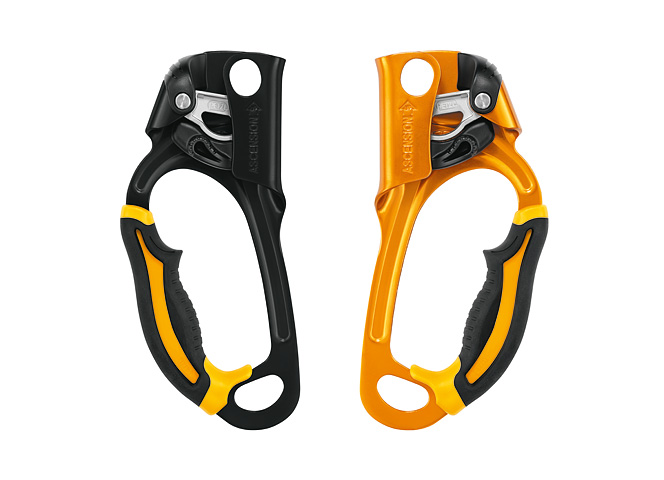
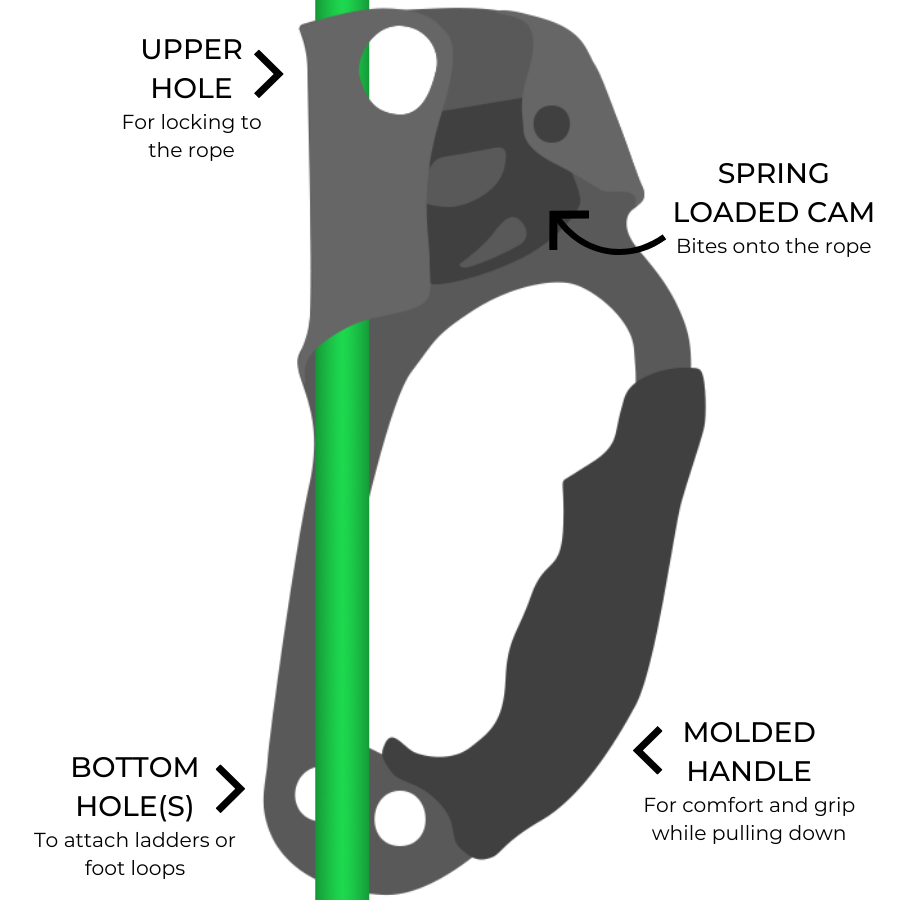
A jumar is a mechanical climbing device used to ascend a rope. It features a cam that grips the rope when weighted, allowing safe and efficient movement on fixed ropes and steep terrain.
Jumars are designed specifically for left-hand and right-hand use, and it is important to use the correct one in each hand for proper technique and safety. Typically, climbers use one in each hand for balance and efficient upward movement during mountaineering and rope work.
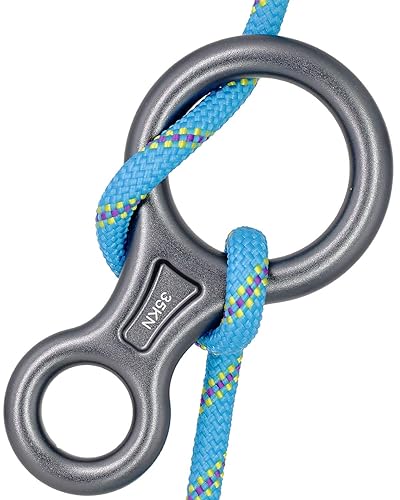
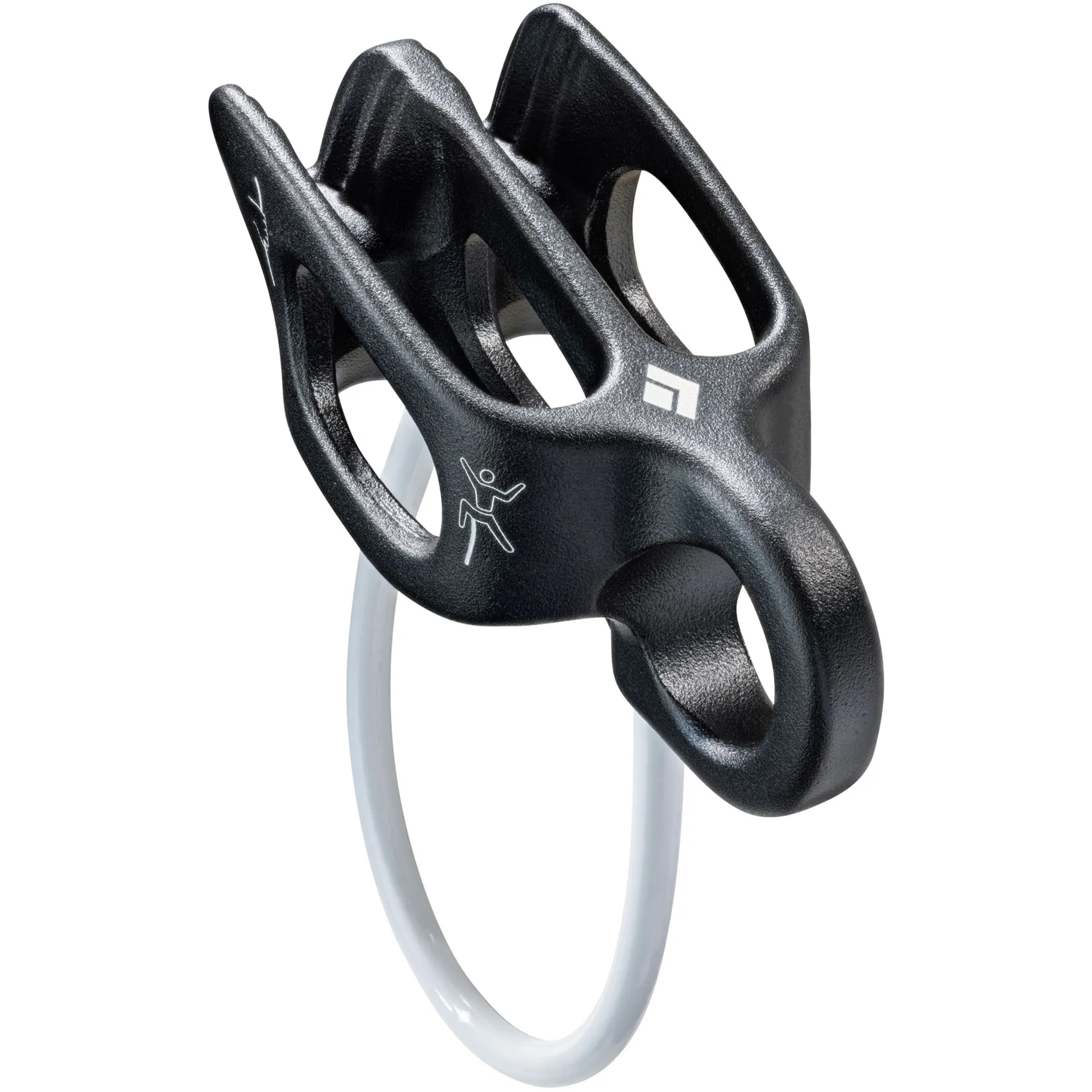
A compact metal device used to control the rope during belaying or rappelling. It provides friction to safely manage a climber’s fall, lower a partner, or descend in a controlled manner. Suitable for both single and double ropes depending on the device type.
You may choose a device that you are most comfortable using, such as an ATC Guide (with guide mode) or a Figure of Eight.
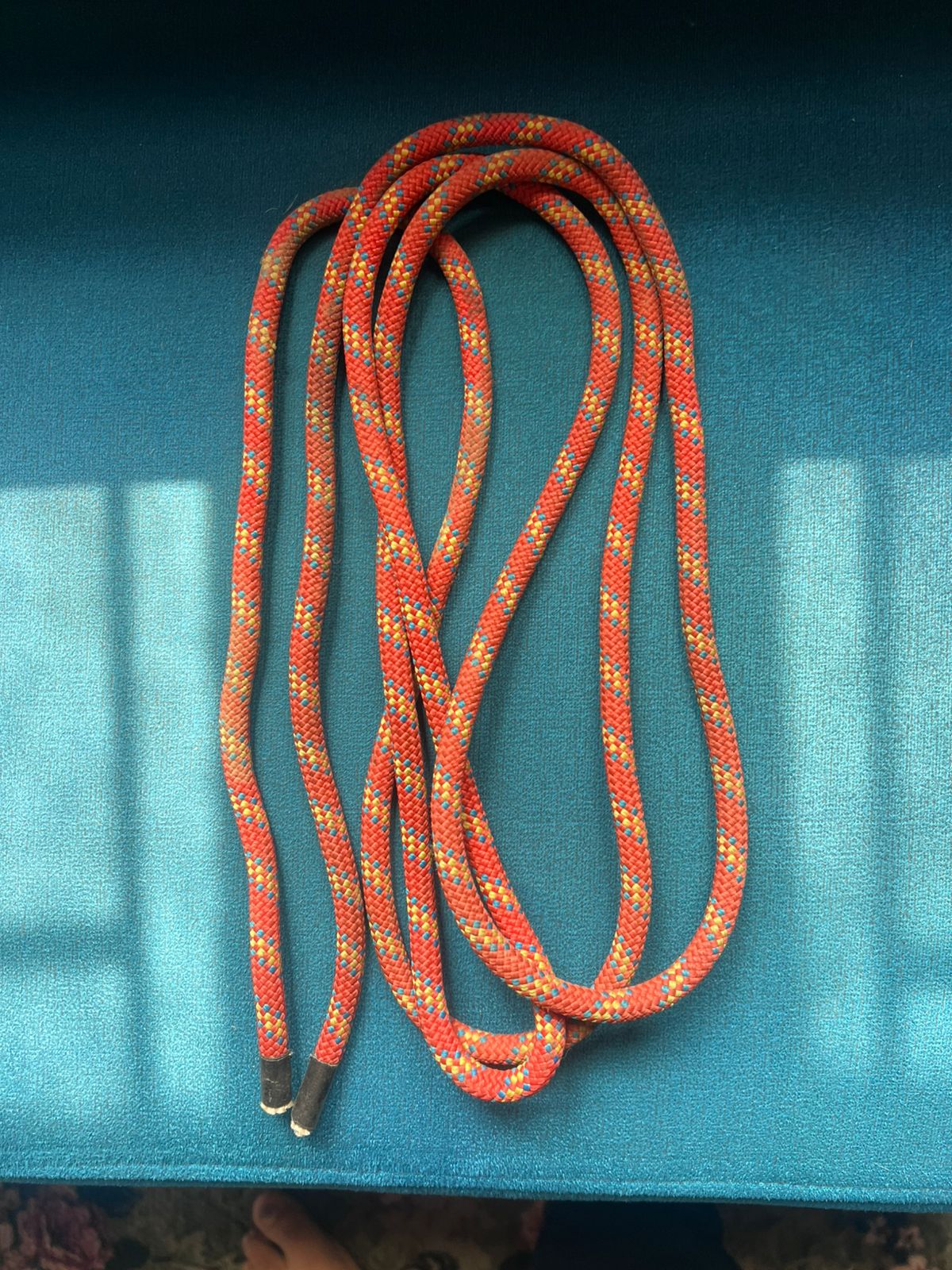
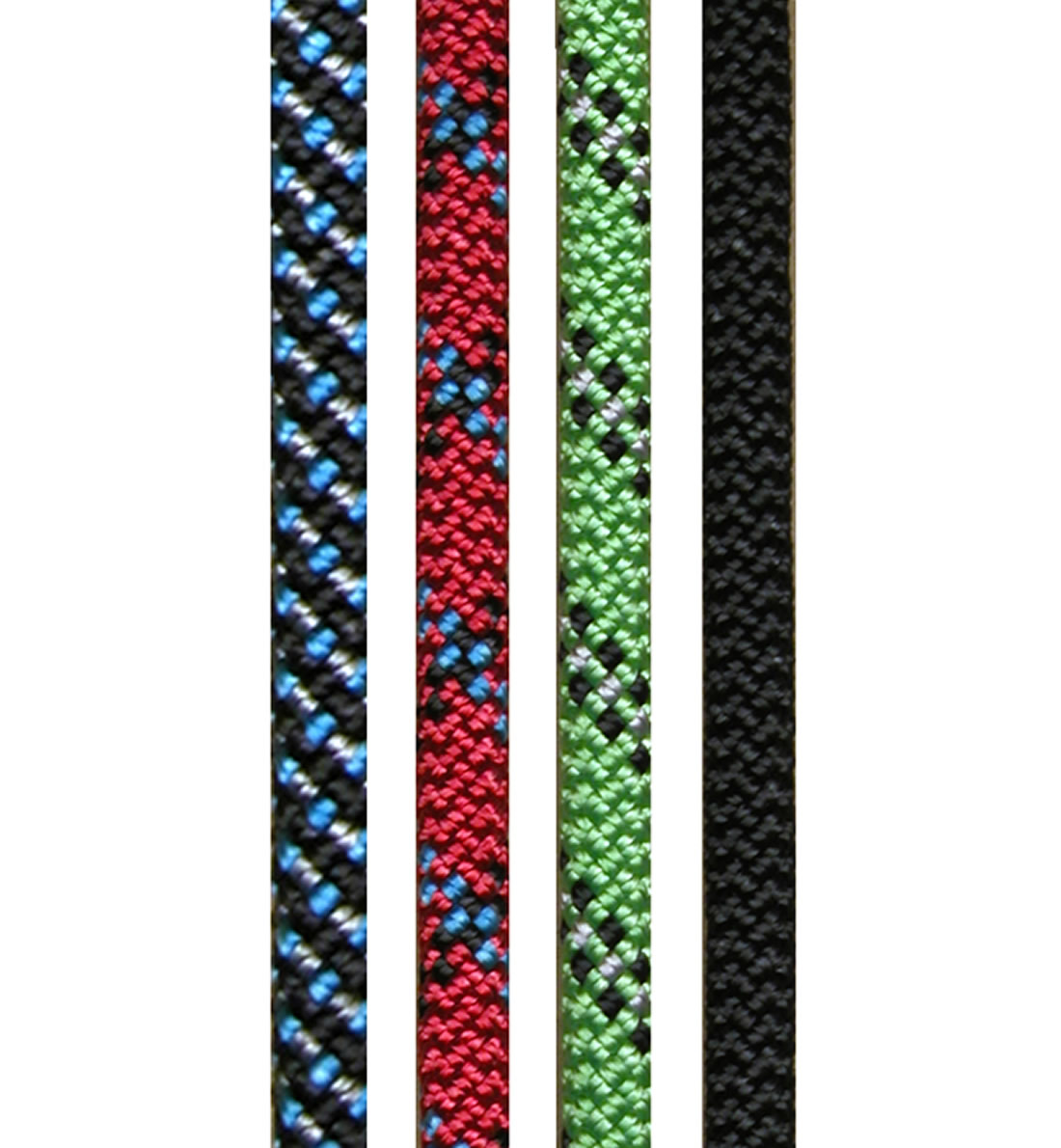
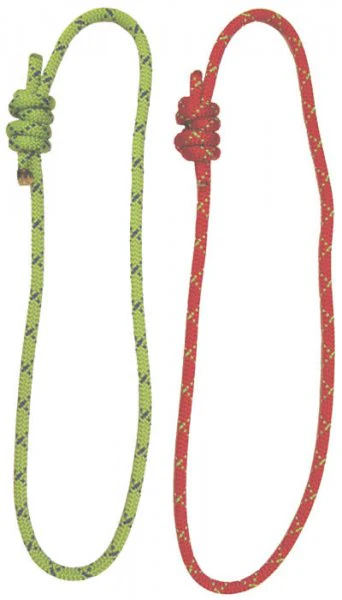
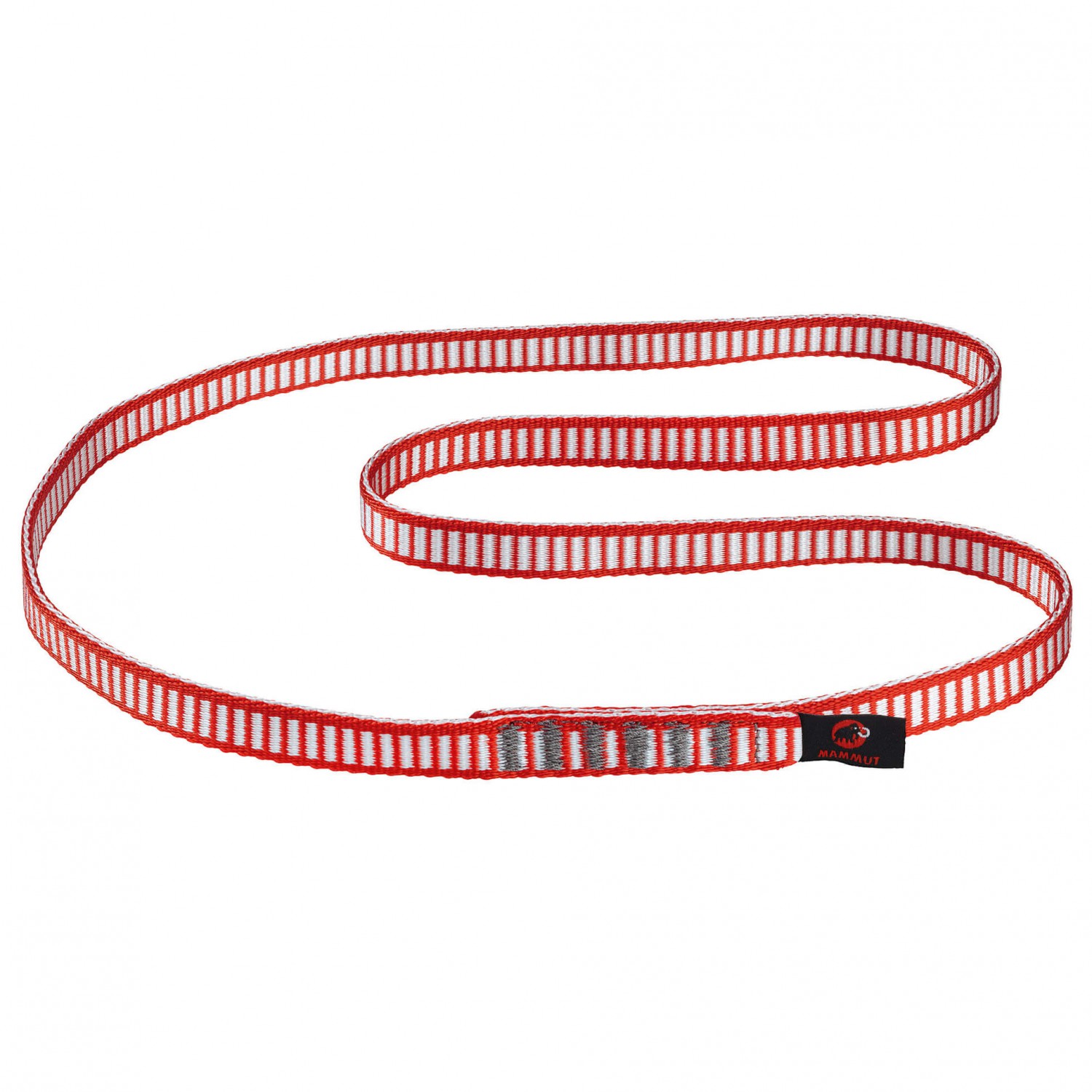
3 m long 8–9 mm dynamic rope for personal use, and a short rope for safety backup during jumaring and technical sections.
Prusik Rope – Small-diameter cord used for backup, ascending, self-rescue, or creating friction on a fixed rope. 5 meters around
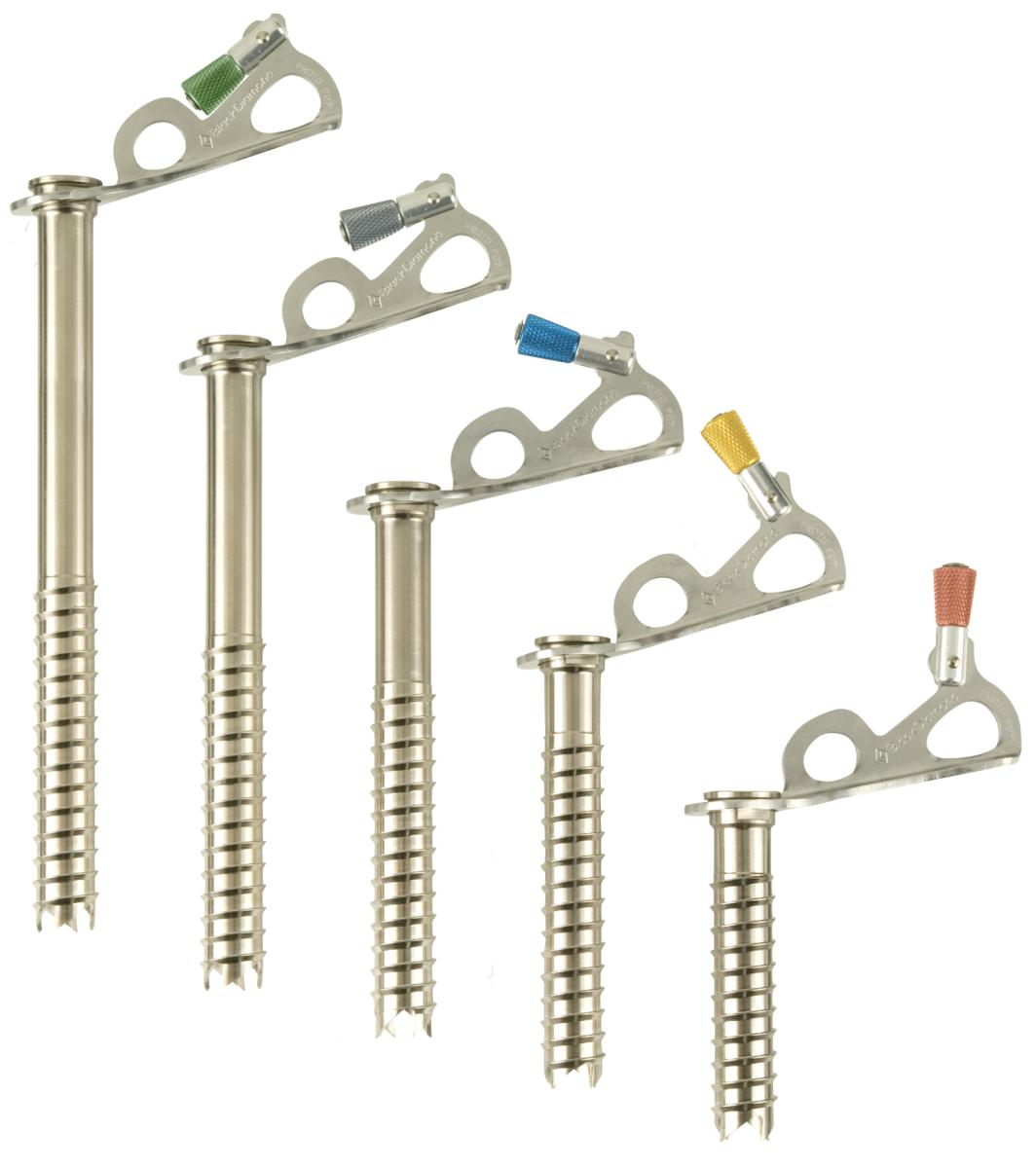
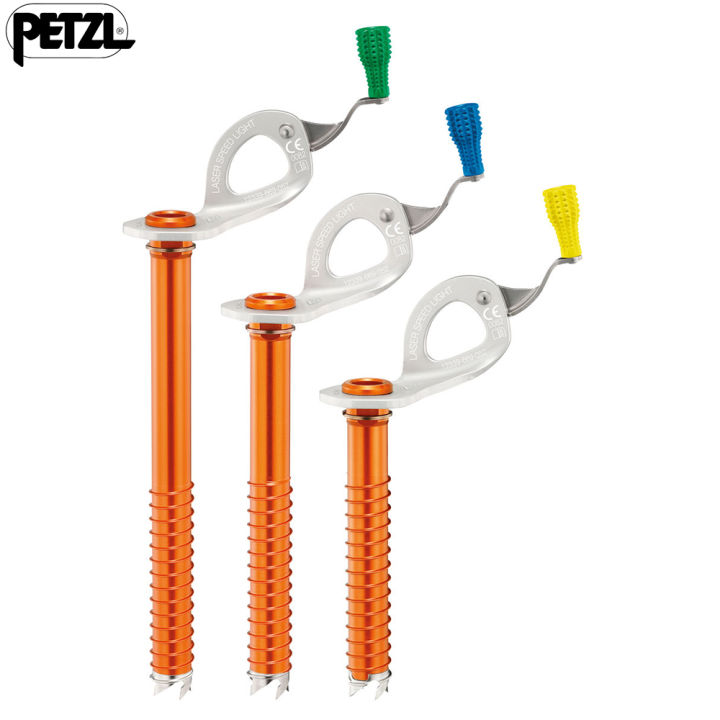
A tubular screw used to create secure anchors in ice for protection or belaying during climbing.
Size: 20–22 cm
Required: 1–2 pcs
Recommended Brands: Black Diamond, Petzl
15