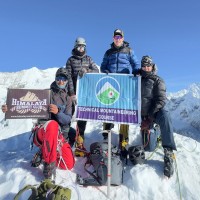
Embark on an 18-day Himalayan Mountaineering Course in the stunning Annapurna region—crafted for aspiring climbers. This immersive program builds essential alpine skills across rock, snow, and ice, while offering hands-on high-altitude experience. Ideal for beginners, it culminates with a summit of Kangla Peak (5,775 m), equipping you with the confidence and competence to climb in the Alps, Andes, Patagonia, and across the greater Himalaya—even serving as a gateway to summiting Mt. Everest.
✅ Beginner-Friendly Curriculum – No prior climbing experience required
🧗 Hands-On Training – Rock climbing, ice climbing, and glacier travel techniques
🗺️ Essential Alpine Skills – Ropework, navigation, fixed lines, and self-rescue
❄️ Glacier-Based Instruction – Real snow & ice training above 5,000m
🏕️ High-Altitude Camping – Live and train in alpine conditions at Kangla Glacier
🧘 Acclimatization & Altitude Awareness – Gradual exposure and safety-focused education
🙏 Cultural Immersion – Explore remote Buddhist villages and traditional mountain rituals
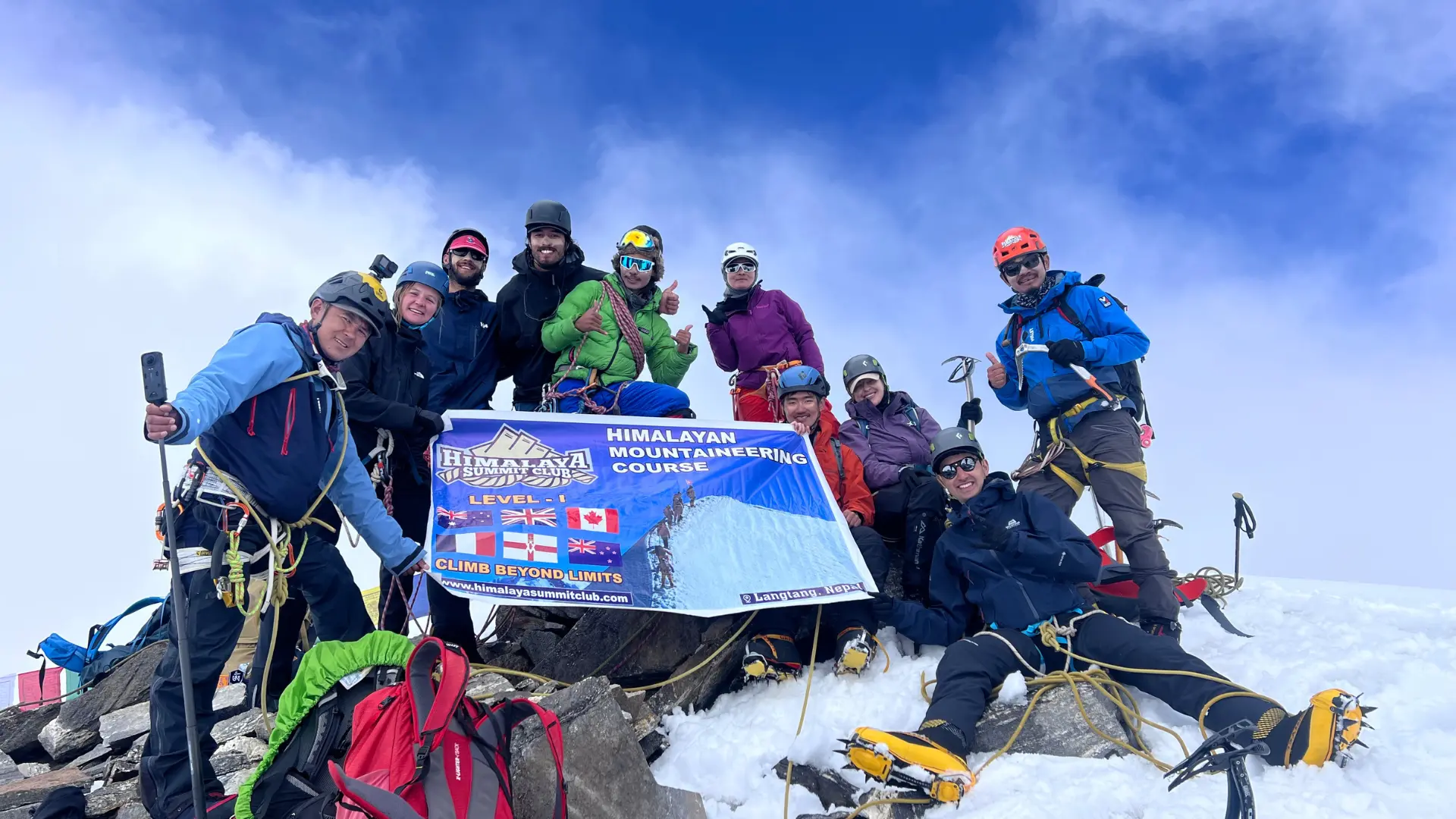
🏔️ Kangla Peak Summit (5,775 m) – Conclude your training with a Himalayan summit climb
🎓 Led by IFMGA/UIAGM Certified Guides – Supported by expert Nepali instructors
🌍 Global Readiness – Prepares you for expeditions in the Alps, Andes, Patagonia—even Mt. Everest
Pick-up from Kathmandu Airport with Himalaya Summit Club flag
Equipment inspection
Meet guides & team
Purchase or rent missing gear
Kathmandu → Besisahar (175 km, 6–7 hrs)
Besisahar → Chame (70 km, 4 hrs off-road by jeep)
Short 3-hour drive for acclimatization
Activities:
Map reading & backpacking techniques
High altitude awareness
Hike to ~4800m viewpoint
Rope & knot practice
Setup & learn tent camp management
Activities:
Jumaring (self-rescue)
Rappelling, Anchors, and High Altitude Rock climbing
Tent setup & glacier camp establishment
Puja ceremony
Mountaineering gear familiarization
Foot step on Rocky terrain with Alpine Boot (Scrambling), Basic snow-walking techniques
Cramponing techniques
Ice And Snow anchors, belay systems
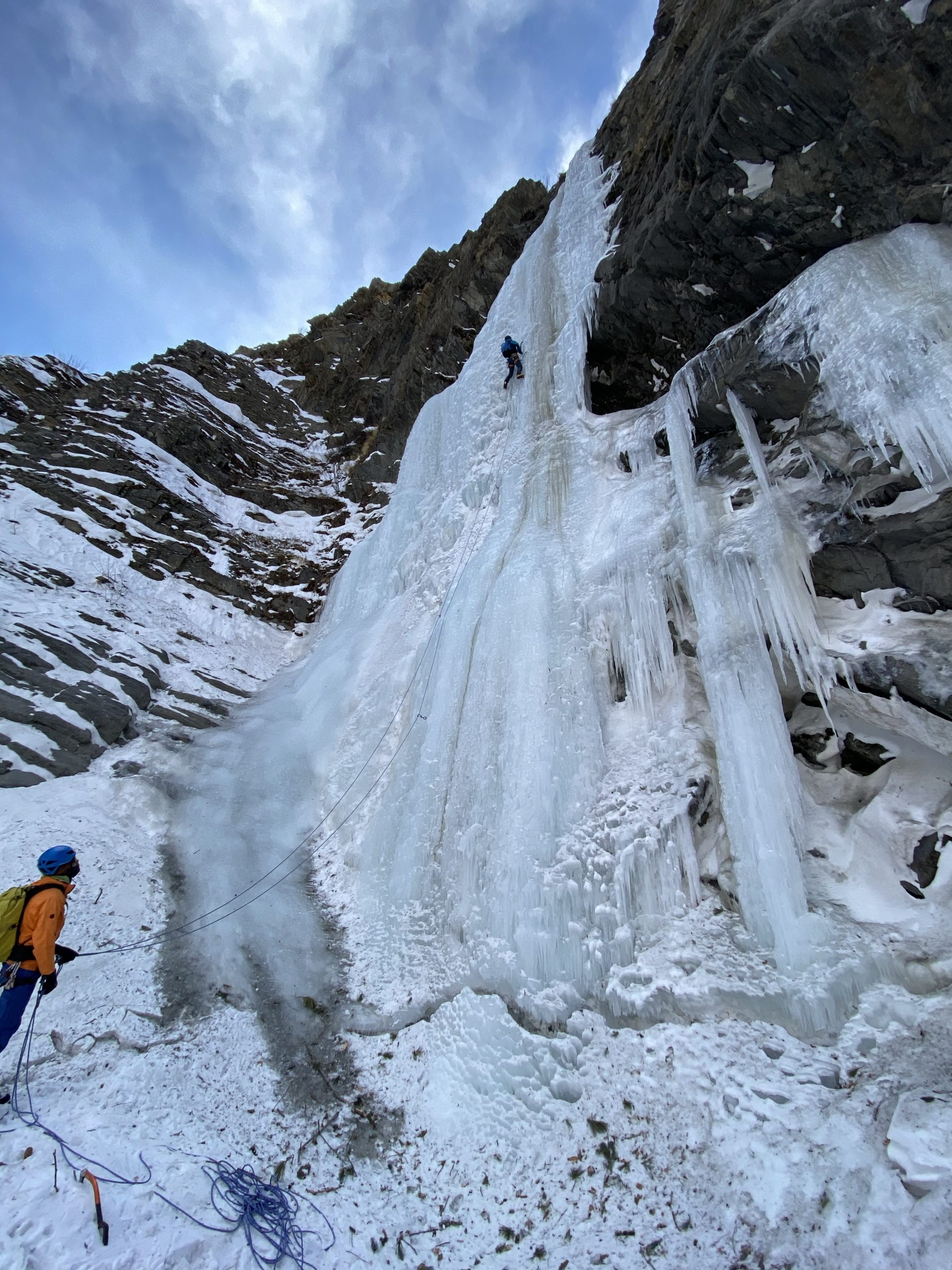
Ice climbing
Crevasse rescue
Snow shelters, High Altitude Camp Management, Snow & Avalanche
Avalanche safety drills (ARVA, probe, shovel use)
Mountain terminology
Strategy briefing and weather assessment
Improvise Harness and Rescue Stretcher
During Summit:
Practicing Anchors, long and short Rope Techniques, Playing scenario,
International Flight:
Our Guide or Office Representative will arrange the transportation to Airport Departure.
Thank you and Hopefully See you in Next Mountain.
Why Kangla Glacier in Summer?
While summer conditions make mountaineering difficult in much of Nepal, the Annapurna region—especially Manang and Kangla Glacier—remains ideal for training and climbing. Its unique geography, favorable weather, and drier climate offer rare opportunities to conduct serious alpine courses during Nepal’s monsoon season.
🌄 Unique Landscapes & Culture
Manang offers dramatically different landscapes compared to other parts of Nepal—high desert terrain, glacial valleys, and ancient villages rich in Tibetan-Buddhist culture—making this both a technical and deeply enriching Himalayan experience.
🌟 Why Himalaya Summit Club?
✅ 100% Nepali Team, Globally Certified
Led by IFMGA/UIAGM-certified guides and supported by highly experienced Nepali climbers, we combine international standards with deep local expertise.
🏔️ Real Himalayan Experience
We don’t just train you—we immerse you in the mountains. From technical alpine skills to high-altitude living, our courses are based in authentic expedition conditions.
🎯 Purpose-Driven Training
Our programs are designed to build climbers from the ground up, with a step-by-step learning approach focused on safety, confidence, and real-world application.
🧭 Ethical & Sustainable Adventure
We believe in giving back. We promote ethical tourism, support local communities, and train future Nepali mountain leaders.
📍 Locally Rooted, Internationally Ready
Born in the Himalaya, trained to take on the world. We prepare climbers not just for Nepal—but for the Alps, Andes, Patagonia, and even Mount Everest.
💬 Personalized Support
From airport pickup to summit push, you’ll get hands-on guidance, logistical help, and 24/7 support from our passionate, professional team.
🎓 Proven Track Record
We’ve successfully trained dozens of climbers—from total beginners to Everest summiteers. Whether you’re dreaming of your first peak or your next big one, you’re in safe hands.
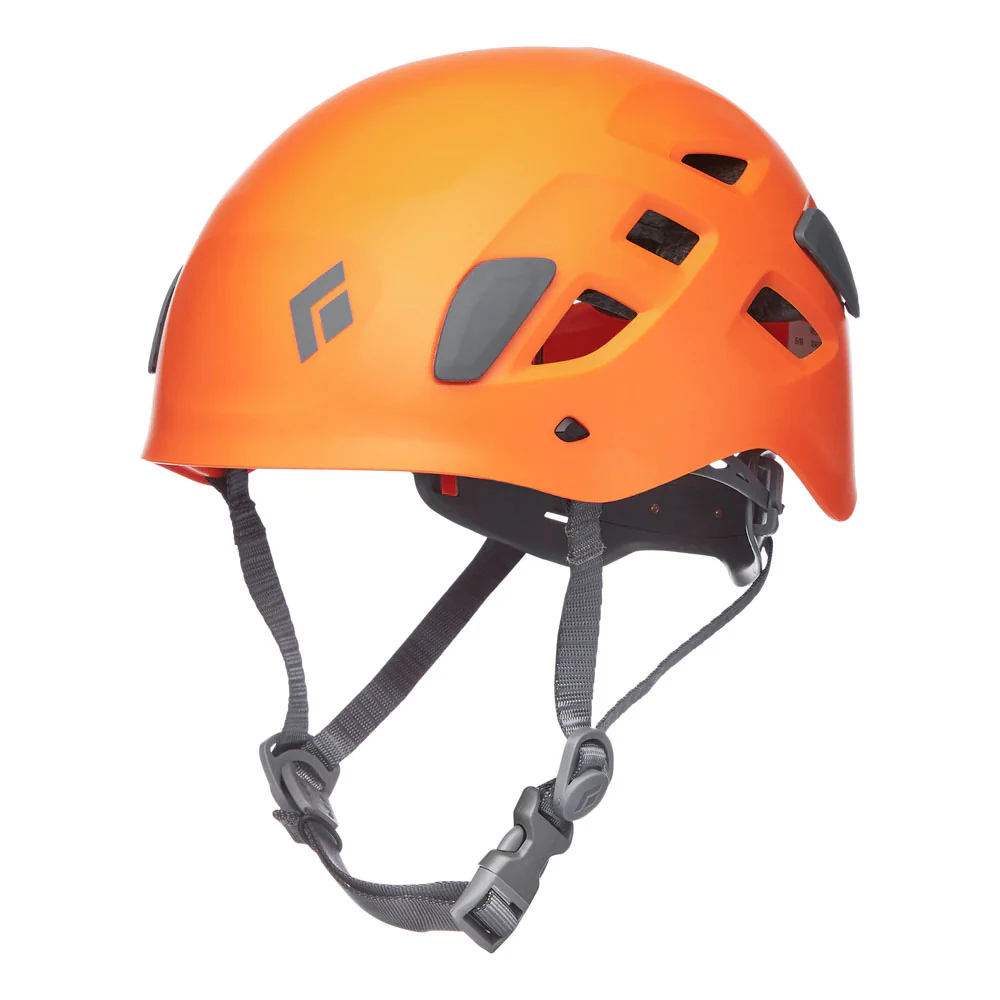
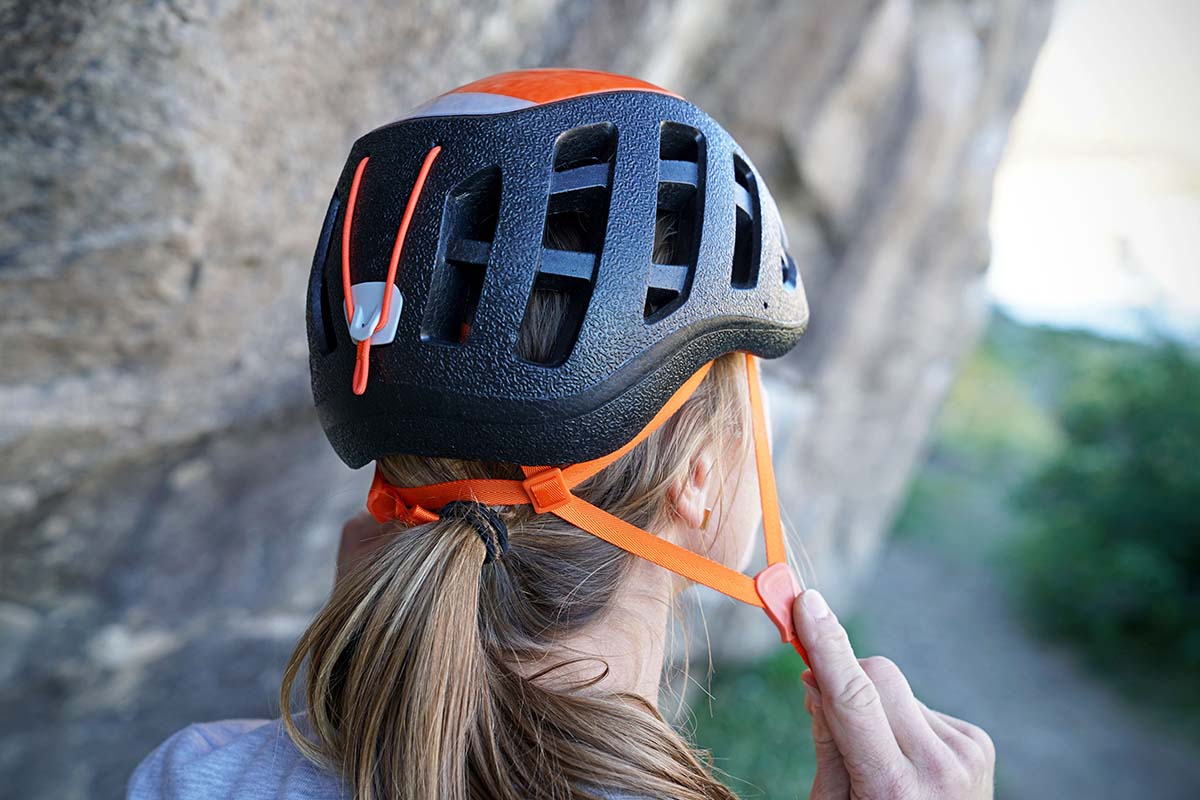
A lightweight and secure helmet that protects against falling rocks, ice, and impacts. Must meet UIAA or CE safety standards for alpine use.

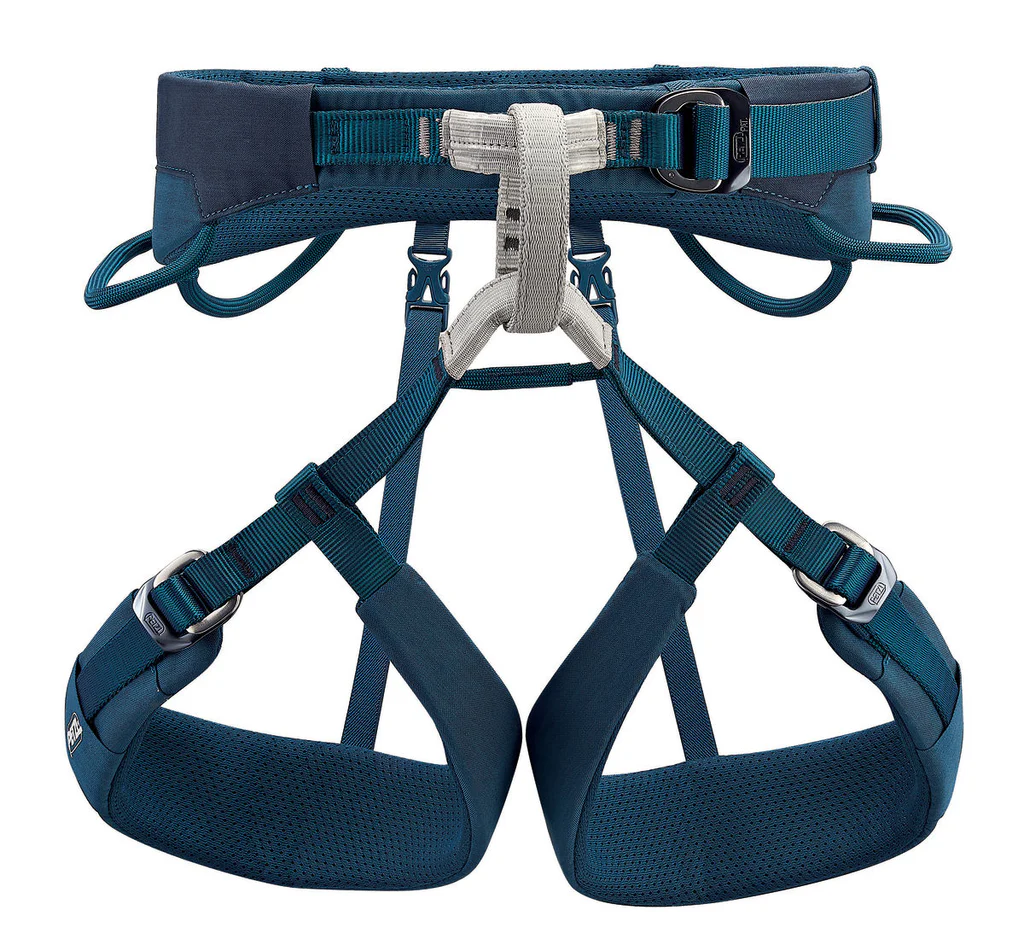
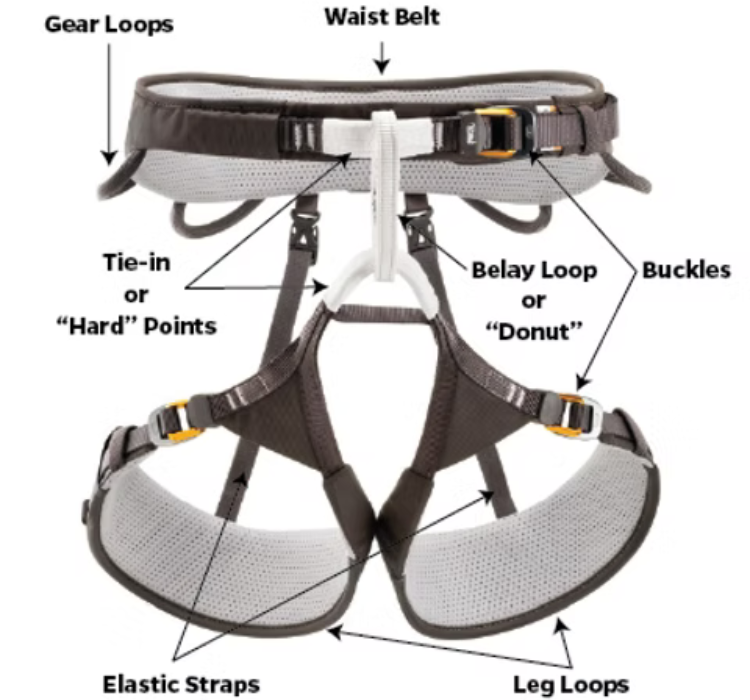
An adjustable alpine harness allows a secure fit over multiple layers, with adjustable waist belt and leg loops. A slightly thicker waist belt is recommended for better comfort and support during longer hanging or belaying. Lightweight and durable, it is essential for safe climbing and glacier travel.
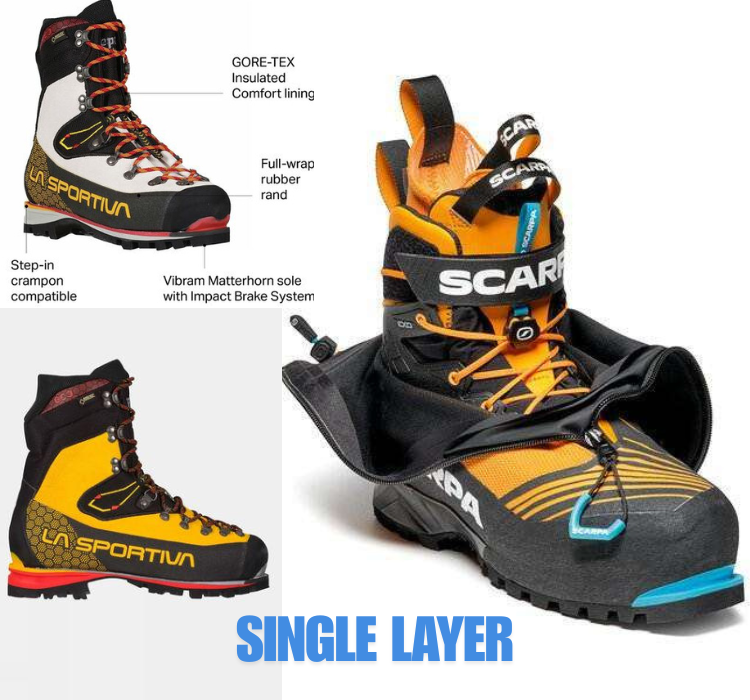
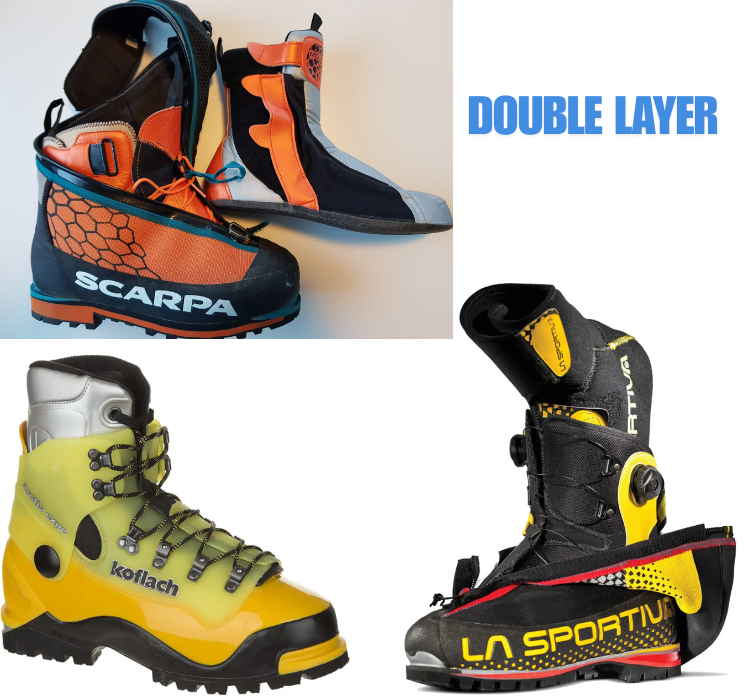
Mountaineering boots are critical for performance and safety in high-altitude environments, offering insulation, protection, and precise support on snow, ice, and mixed terrain. All boots must be compatible with crampons and suitable for cold, technical conditions. Recommend using B3 category boots, which are fully rigid and designed for technical mountaineering.
For November to March, we strongly recommend double-layer high-altitude boots such as La Sportiva G2 Evo or G2 SM for optimal thermal protection. Advanced single-layer options like Scarpa Phantom 6000, La Sportiva Nepal, or Cube may be used depending on conditions and individual experience.
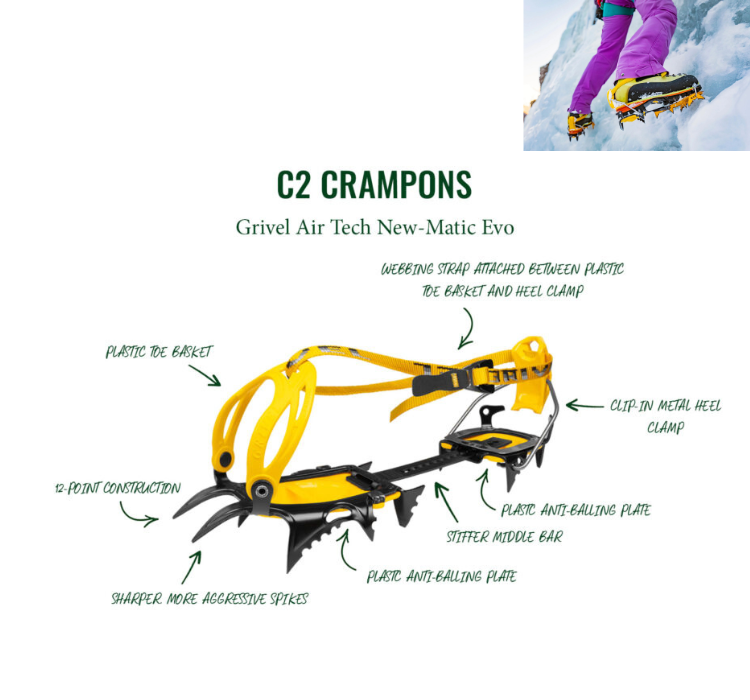
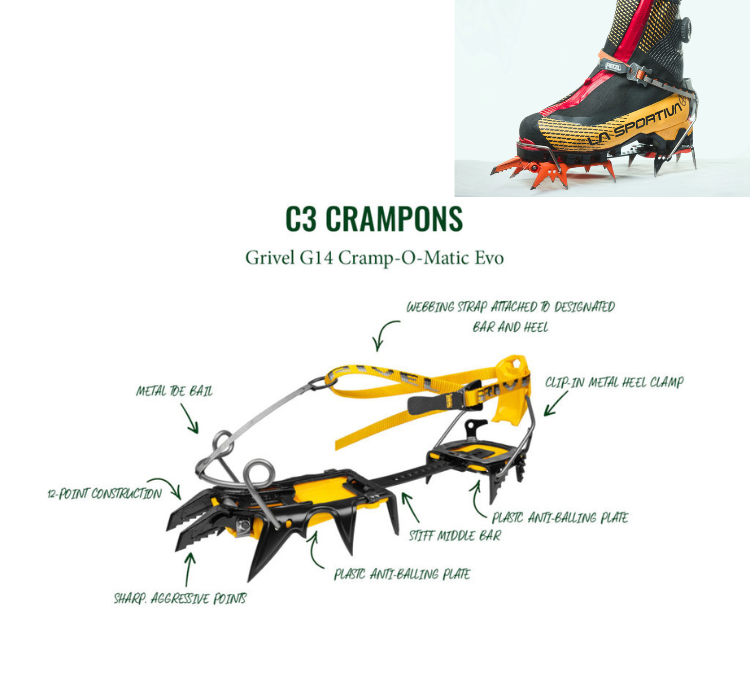
Crampons provide essential traction on snow and ice, allowing safe movement in alpine terrain. For mountaineering, C2 (semi-automatic) crampons are recommended for versatility and stability. For Technical ice climbing, C3 (automatic) crampons are preferred, offering a rigid fit and maximum precision.
Recommended models include:
Petzl Vasak, Petzl Sarken, Black Diamond Sabretooth, Grivel G12 (mountaineering)
Petzl Lynx, Black Diamond Cyborg, Grivel G14 (ice climbing)
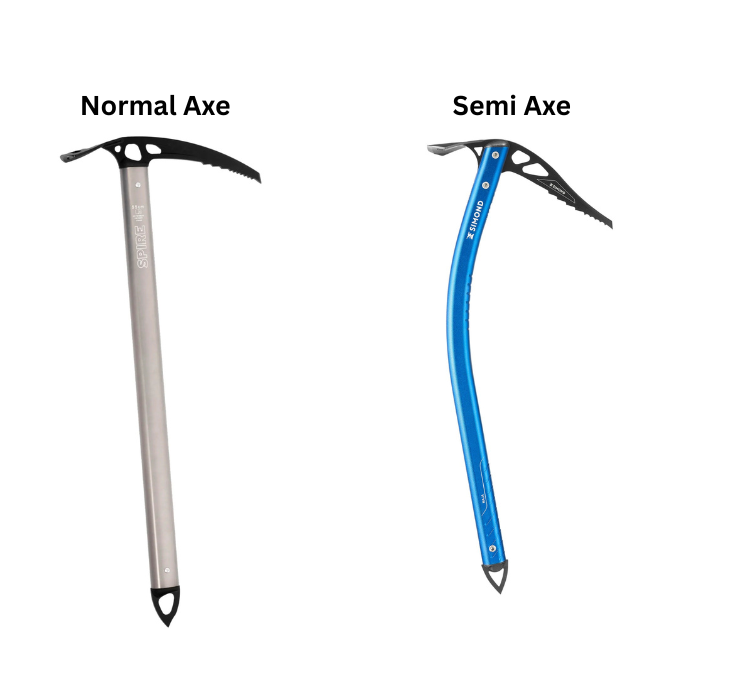
An ice axe is a key mountaineering tool used for balance, self-arrest, and climbing on snow and ice. It helps stop a fall, secure movement on steep slopes, and assist in step cutting when needed. For general mountaineering, a semi-technical ice axe is recommended, while a classic mountaineering axe is suitable for standard routes and training.
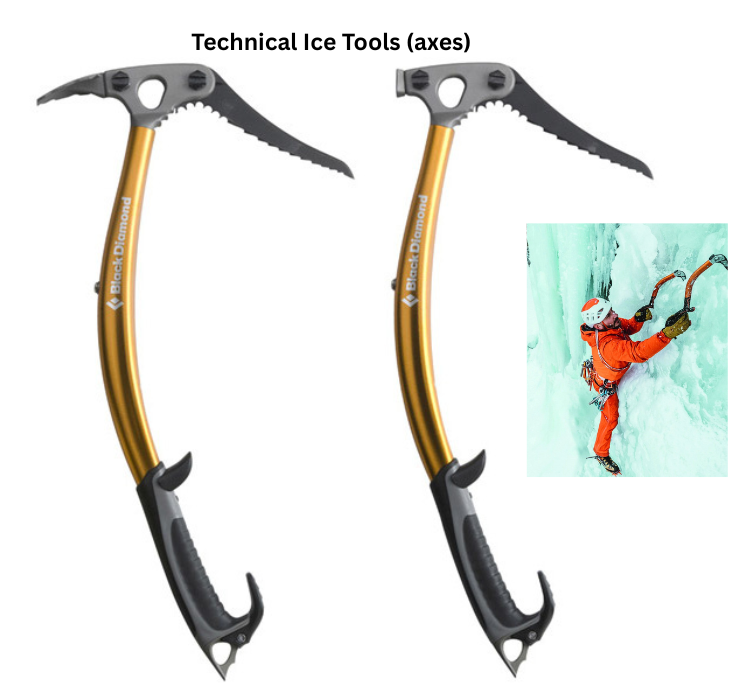
For more Technical terrain, Ice climbing tools are required. These are shorter and more curved, designed for steep and vertical ice, and used in pairs for better control and precision.
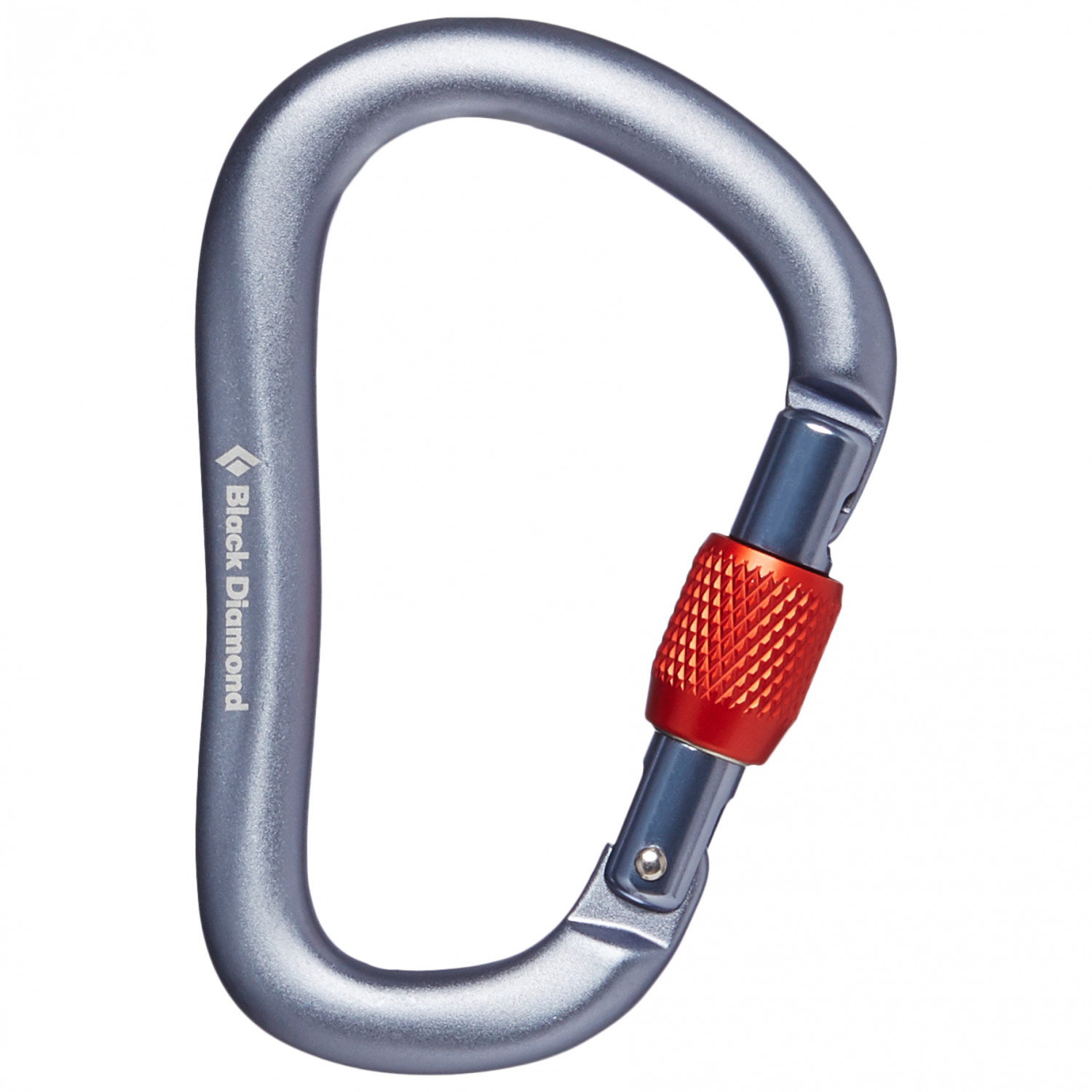
HMS Carabiner
A wide pear-shaped locking carabiner designed for belaying, rappelling, and tying a Munter hitch. Strong, secure, and essential for safe rope handling in climbing and mountaineering.
Required: 4 pcs
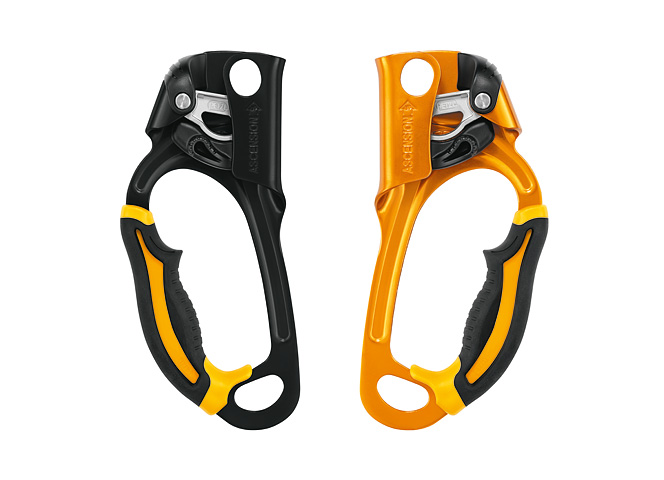
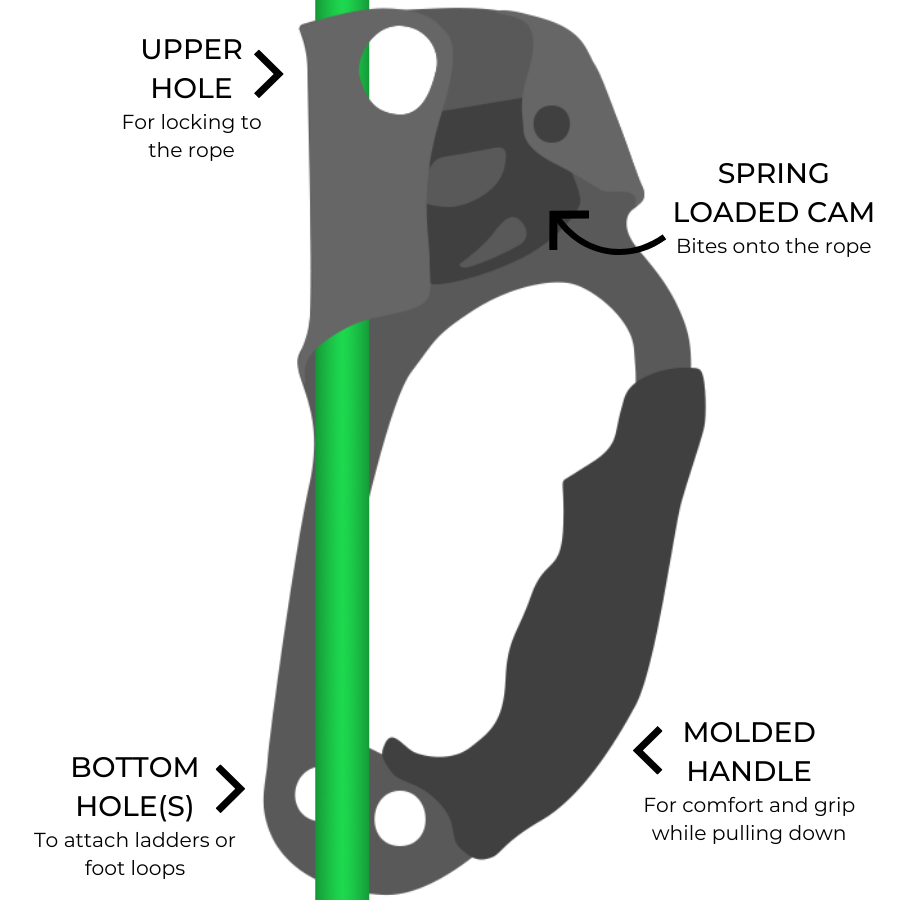
A jumar is a mechanical climbing device used to ascend a rope. It features a cam that grips the rope when weighted, allowing safe and efficient movement on fixed ropes and steep terrain.
Jumars are designed specifically for left-hand and right-hand use, and it is important to use the correct one in each hand for proper technique and safety. Typically, climbers use one in each hand for balance and efficient upward movement during mountaineering and rope work.
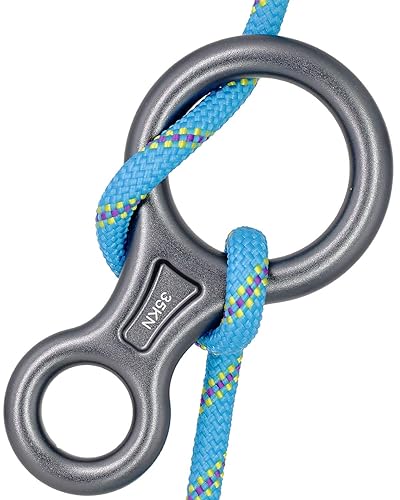
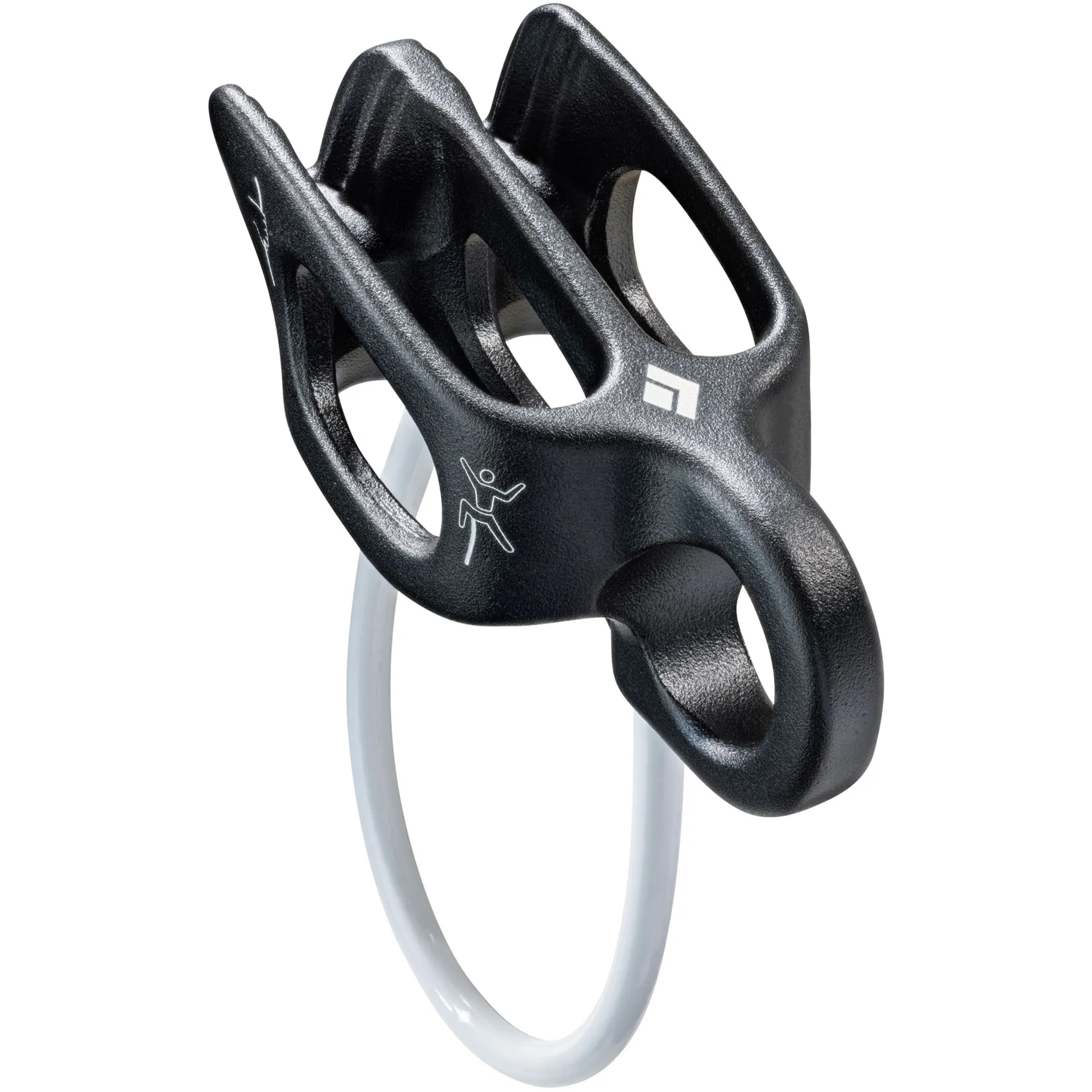
A compact metal device used to control the rope during belaying or rappelling. It provides friction to safely manage a climber’s fall, lower a partner, or descend in a controlled manner. Suitable for both single and double ropes depending on the device type.
You may choose a device that you are most comfortable using, such as an ATC Guide (with guide mode) or a Figure of Eight.
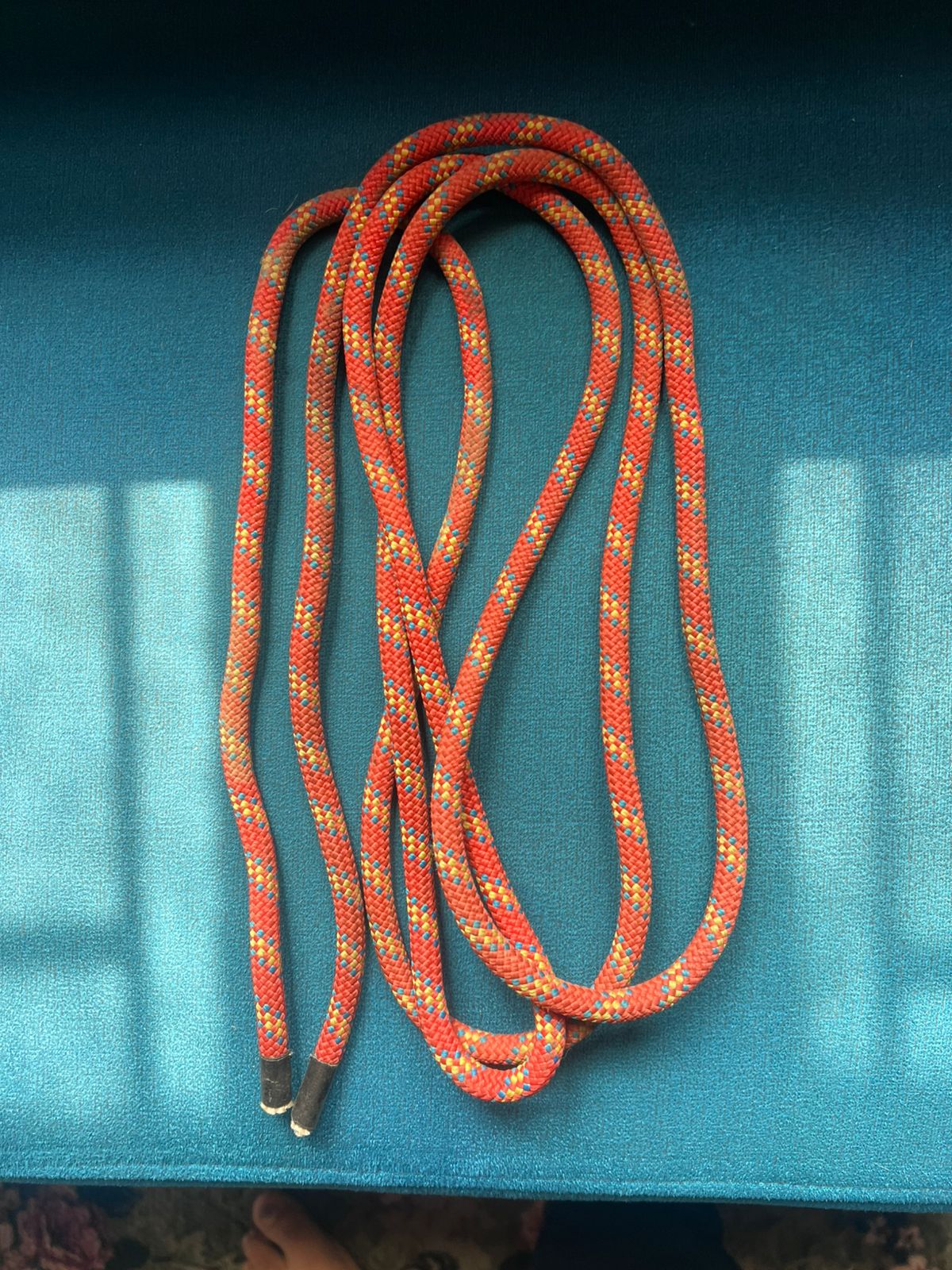
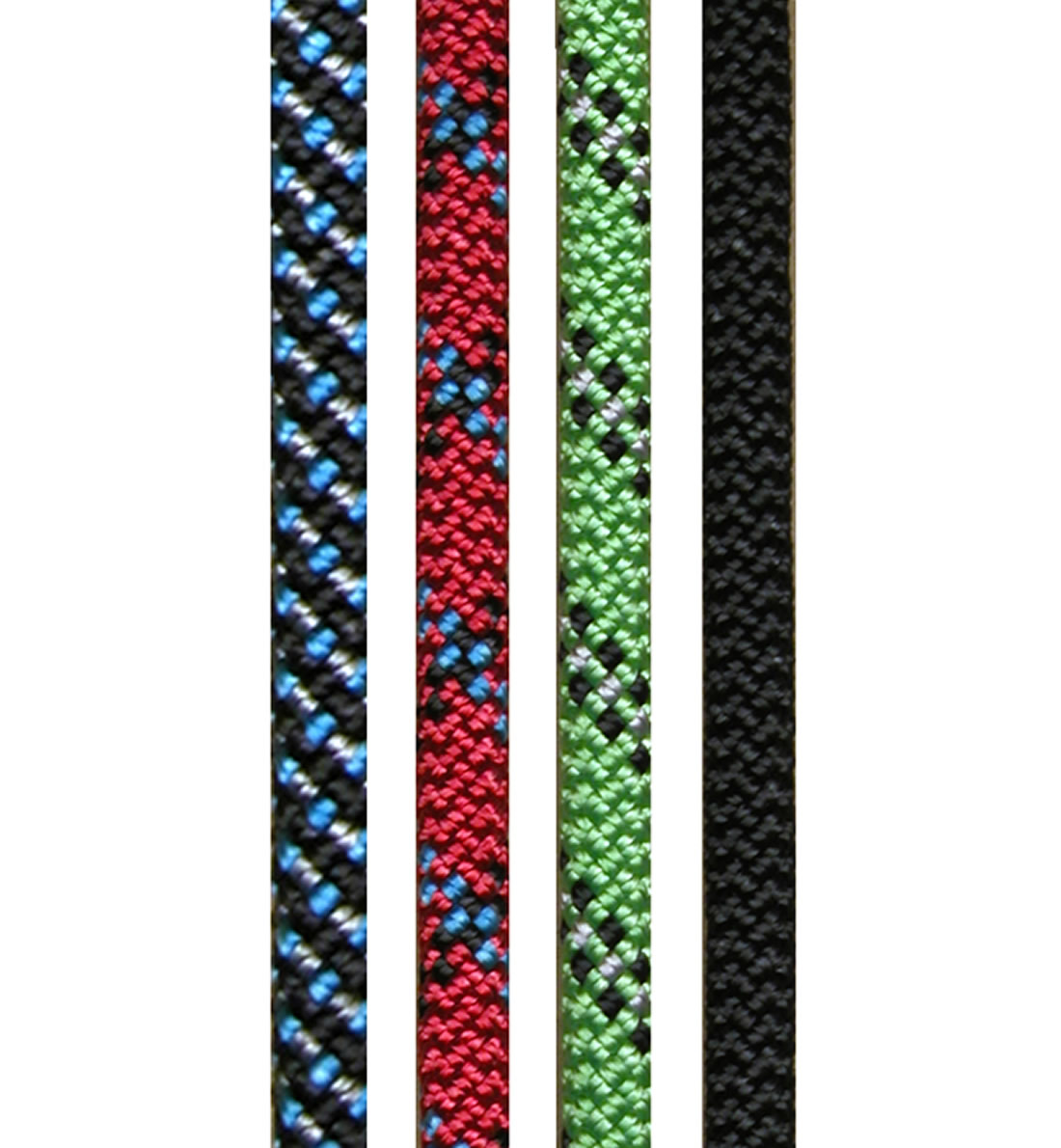
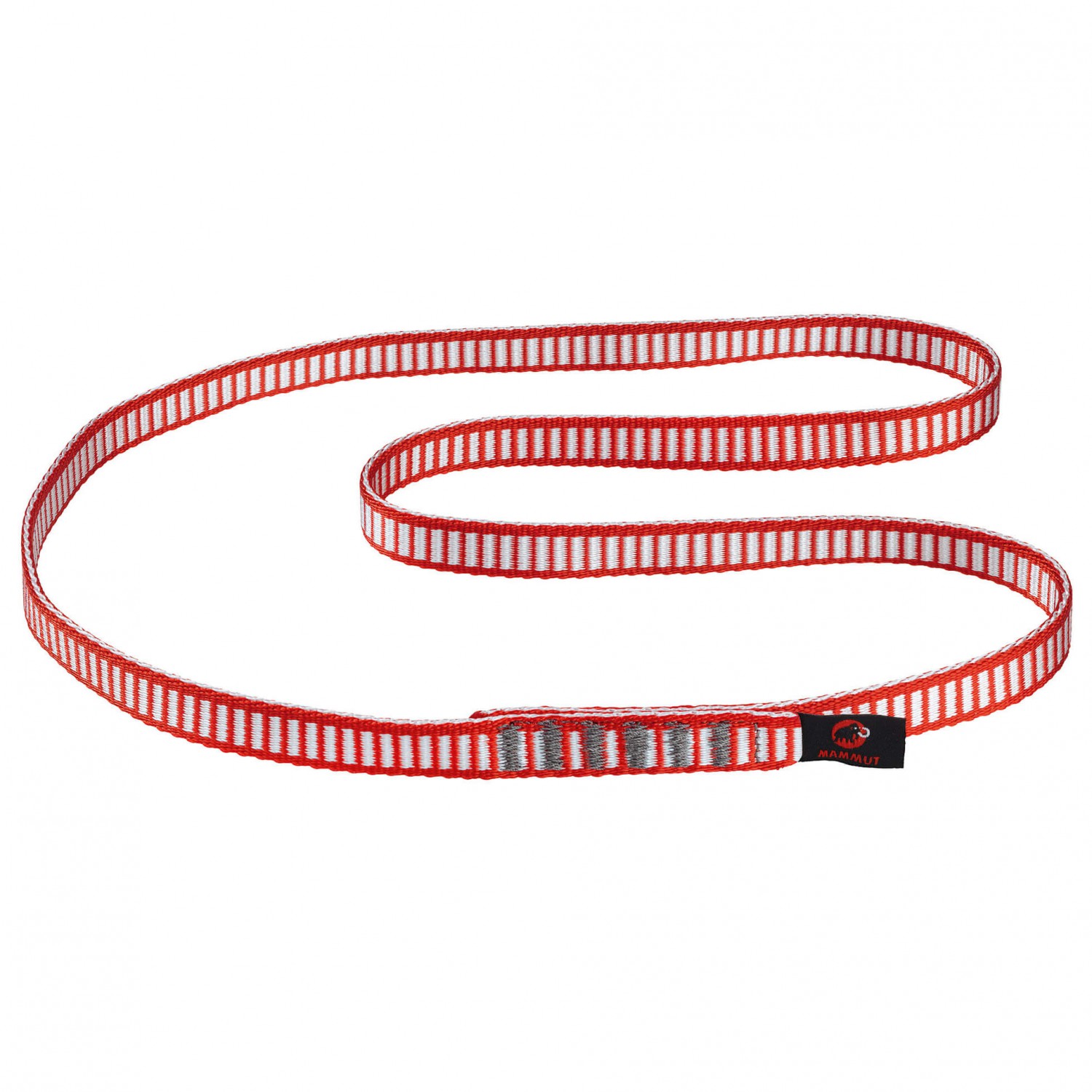
3 m long 8–9 mm dynamic rope for personal use, and a short rope for safety backup during jumaring and technical sections.
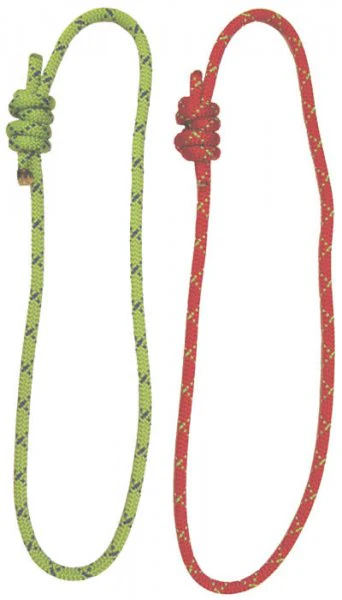
Prusik Rope – Small-diameter cord used for backup, ascending, self-rescue, or creating friction on a fixed rope. 5 meters around
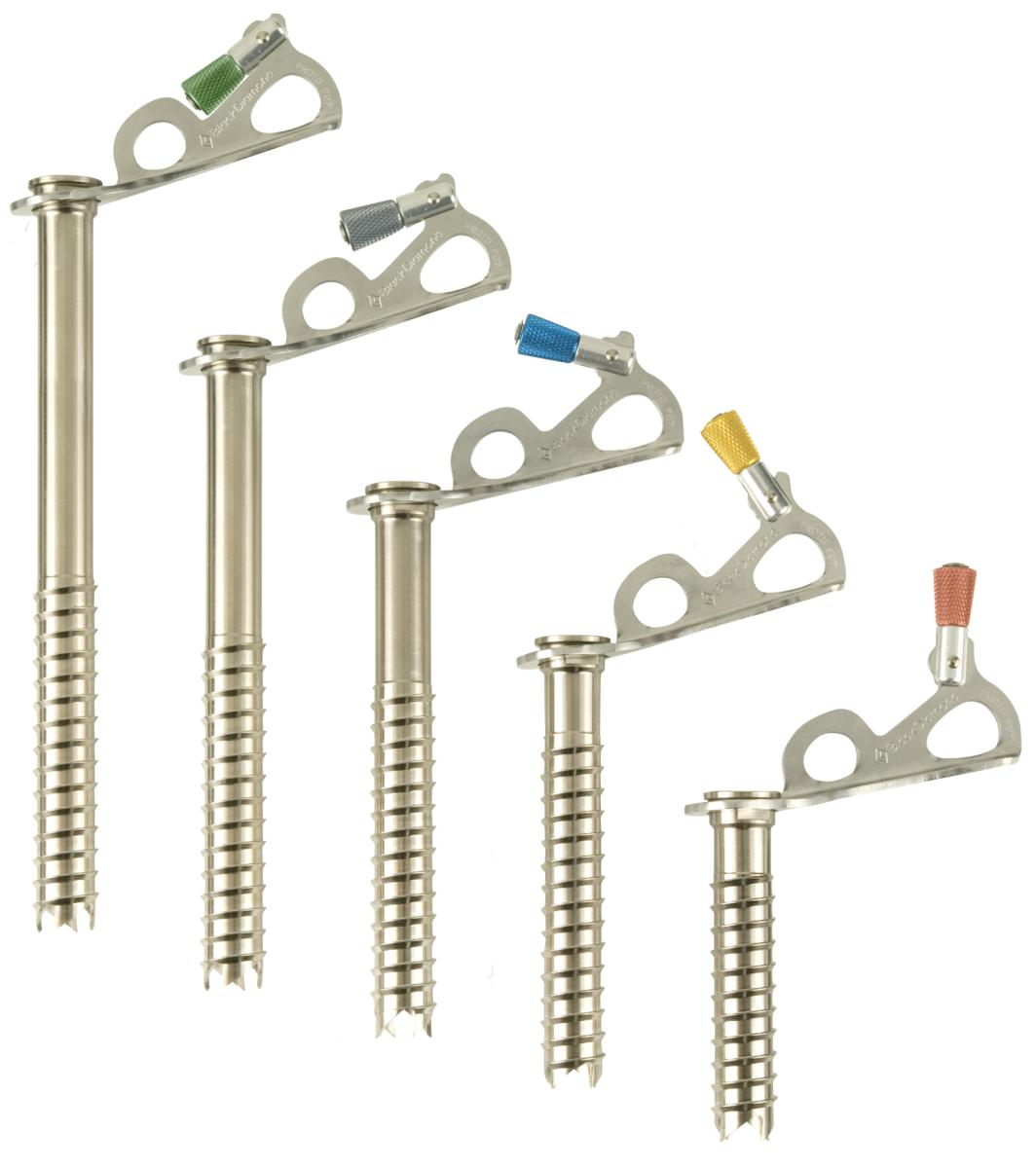
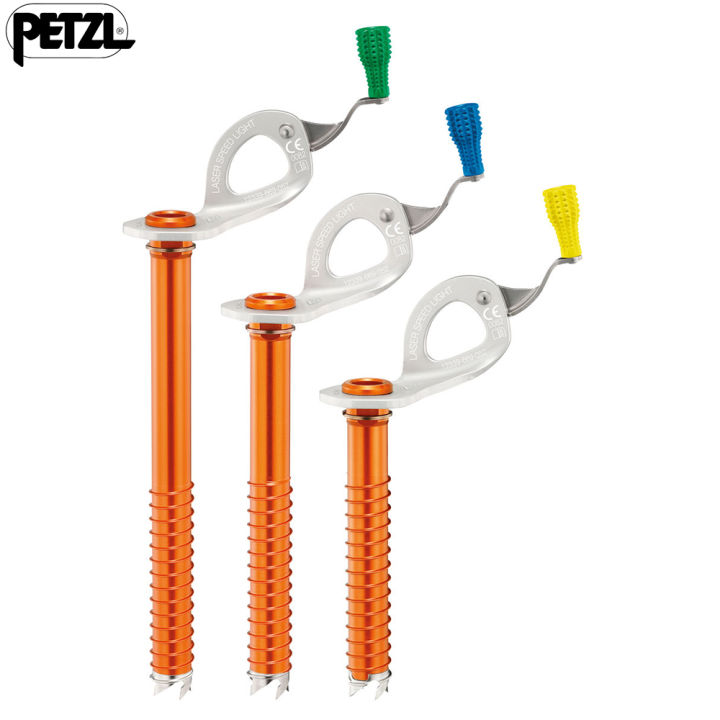
A tubular screw used to create secure anchors in ice for protection or belaying during climbing.
Size: 20–22 cm
Required: 1–2 pcs
Recommended Brands: Black Diamond, Petzl
18 Days