The Trekking Group
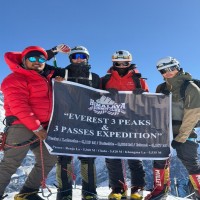
For the Gosaikunda Trek, there will be one UIAA Certified Trek leader, assistant Trek leader (4 trekkers:1 assistant guide) and Sherpa porters for luggage carrying (2 trekkers:1 porter) This arrangement ensures that should anybody in the group is sick, the trip can still go ahead as planned. We can run the trek for groups of any size, but usually, it is a maximum of twelve people as we’ve found this to be the optimum size for a successful trip. However, if you’d like to book this trip for a large group then that can be arranged too.
Accommodations
We will be staying at Hotel Marshyandi/Mandala Boutique/Yatri Suites Spa Hotel in Kathmandu and teahouses during the trek. All accommodations are on twin-shared basis. Single supplement will be served on request and will cost an additional USD. Himalaya Summit Club will arrange rooms with attached washrooms; however, teahouses in some places only have shared washing and toilet facilities. Also note that single rooms are readily available in Kathmandu and the trekking regions at lower elevation but it might be difficult to find them at higher elevations.
Meals
During our trek, we can enjoy authentic Nepalese food as well the more common international cuisine (Tibetan, Continental, Italian, Indian, etc.). Breakfast and dinner will be served from the teahouse or from a lodge menu where we spend the night whereas lunch will be served on the way to the next destination. All meals will be provided during trekking while only breakfast will be available in Kathmandu. There will also be welcome and farewell dinners for guests.
Travel Insurance
It is a condition upon joining any of Himalaya Summit Club trips that all clients be insured for comprehensive expenses that might incur due to medical issues or accidents (this includes air ambulance, helicopter rescue, and treatment costs). Please note that we don’t arrange or sell insurance.
Acclimatization
This trek’s itinerary is planned with a high degree of awareness of AMS (Acute Mountain Sickness). Going up at higher altitudes too fast causes a medical condition serious enough to result in death. The higher the altitude, the less oxygen will be in the air. For example, at an altitude above of 5000m, there is 50% less oxygen than at sea level. Therefore, our body needs many days to adapt to an environment with less-oxygen.During this trip, a separate day is set aside acclimatization.
Himalaya Summit Club advises guest(s) with known heart, lungs or blood diseases to consult their doctor before traveling. Mild headaches, fever, loss of appetite or stomach disorders are symptoms of AMS. Check out “Altitude illness” by Dr Jim Duff, whether once you getting in Kathmandu you can we will arrange to meet with Expedition Doctor Mr. Nima Namgel Sherpa. Himalaya Summit Club itineraries are designed to try to prevent AMS as much as possible. But, it is important to remember that some visitors are more vulnerable than others.
Physical Condition & Experience Requirements
This is a moderate trek suitable for passionate walkers who have the ability to walk at least 5-7 hours a day with a light day pack. Walking in higher altitudes is more physically demanding than walking in lower altitudes; however, if we are in excellent health with average physical fitness and have a positive attitude, self confidence and strong determination, we can accomplish this trek successfully. Exercising and jogging regularly for some weeks prior to the trip is a good idea to enhance our strength and stability. Past hiking experience would be an asset but no technical skill is required for this trip. It is vital for participants with pre-existing medical conditions such as heart, lung, and blood diseases to consult their doctor before taking the trip. It is also advised that you inform Himalaya Summit Club before booking the trek.
Best Time to Travel
Spring (March to May) and Autumn (September to November) are the best months for this trip. Although this trip can be taken during winter, there might be a problem due to obstructed pass due to ice or snow. The trekking routes are crowded during Spring and Autumn but during Monsoon and Winter the routes are not packed and we could enjoy rather best of nature.
Equipments & Packing List
This list is a guideline to help you pack for your adventure. Also understand that the items listed below will vary a little according to the season and the trek duration. The weight limit for your luggage is 33 pounds or 15 kg. Remember that your luggage will be carried by your porter but you are required to carry a day-pack (with your valuables or anything important) on your own. We also suggest that you pack only what is necessary.
Important documents and items
- Valid passport, 2 extra passport size photos, airline tickets
- Separate photocopies of passport, visa form (easily obtained at Kathmandu airport), proof of insurance
- Dollars, pounds or Euros in cash for purchasing Nepalese visa at Kathmandu airport, for paying for restaurants and hotels, for gratuities, snacks, and to purchase your own drinks and gifts
- Credit cards, Bank/ATM/Cash machine cards for withdrawing funds from cash machines (bring a photocopy of your cards), traveler’s checks, etc.
Head
- Bandana or head scarf, also useful for dusty conditions
- Warm hat that covers your ears (wool or synthetic)
- Headlamp with extra batteries and bulbs
- Sunglasses with UV protection
- Prescription sunglasses (if required)
Upper Body
- Polypropylene shirts (1 half sleeve and 2 long sleeves)
- Light and expedition weight thermal tops
- Fleece wind-stopper jacket or pullover
- Waterproof (preferably breathable fabric) shell jacket
- Down vest and/or jacket
- Gore-Tex jacket with hood, waterproof and breathable
Hands
- 1 pair of lightweight poly-liner gloves.
- 1 pair of lightweight wool or fleece gloves
- 1 pair of mittens, consists of 1 Gore-Tex over mitt matched with a very warm polar-fleece mitt liner (seasonal)
Lower Body
- Non-cotton underwear briefs
- 1 pair of Hiking shorts
- 1 pair of Hiking trousers
- 1 pair of lightweight thermal bottoms (seasonal)
- 1 pair of fleece or woolen trousers
- 1 pair of waterproof shell pants, breathable fabric
Feet
- 2 pairs of thin, lightweight inner socks
- 2 pairs of heavy poly or wool socks
- 1 pair of Hiking boots with spare laces (sturdy soles, water resistant, ankle support, broken in )
- 1 pair of trainers or running shoes and/or sandals
- Cotton socks (optional)
- Gaiters (winter only), optional, low ankle high version
Sleeping
- 1 sleeping bag (good to -10 degrees C or 14 degrees F)
- Fleece sleeping bag liner (optional)
Rucksack and Travel Bags
- 1 medium rucksack (50-70 liters/3000-4500 cubic inches, can be used for an airplane carryon)
- 1 large duffel bag
- A small daypack/backpack for carrying your valuables, should have good shoulder padding
- Small padlocks for duffel-kit bags
- 2 large waterproof rucksack covers (optional)
Medical
- first-aid kit. (simple and light)
- Aspirin, first-aid Small, personal tape, and plasters (Band-Aids)
- 1 skin-blister repair kit
- Anti-diarrhea pills
- Anti-headache pills
- Cough and/or cold medicine
- Anti-altitude sickness pills: Diamox or Acetylzolamide
- Stomach antibiotic: Ciprofloxacin, etc. Do not bring sleeping pills as they are a respiratory depressant.
- Water purification tablets or water filter
- 1 set of earplugs
- Extra pair of prescription glasses, contact lens supplies
Practical Items
- 1 small roll of repair tape, 1 sewing-repair kit
- 1 cigarette lighter, 1 small box of matches
- 1 compass or GPS(optional)
- 1 alarm clock/watch
- 1 digital camera with extra cards and batteries
- large Ziplocs
- 2 water bottles (1 liter each)
- 1 small folding knife
- Binoculars (optional)
- 4 large, waterproof, disposable rubbish sacks
Toiletries
- 1 medium-sized quick drying towel
- Toothbrush/paste (preferably biodegradable)
- Multi-purpose soap (preferably biodegradable)
- Deodorants
- Nail clippers
- Face and body moisturizer
- Female hygiene products
- Small mirror
Personal Hygiene
- Wet wipes (baby wipes)
- Tissue /toilet roll
- Anti-bacterial hand wash
Extras/Luxuries
- Reading book
- Trail map/guide book
- Journal and pen
- iPod
- Travel game i.e. chess, backgammon, scrabble, playing cards (to help you pass the time at teahouses and/or camps)
- 1 modest swim suit
- Binoculars (optional)
- Voltage converter (from 220 to 110)
- Plug adapter (2 round pegs to 2 flat pegs)
- Lightweight pillow case (in case your teahouses provide you with pillows) or use your own stuff as a pillow