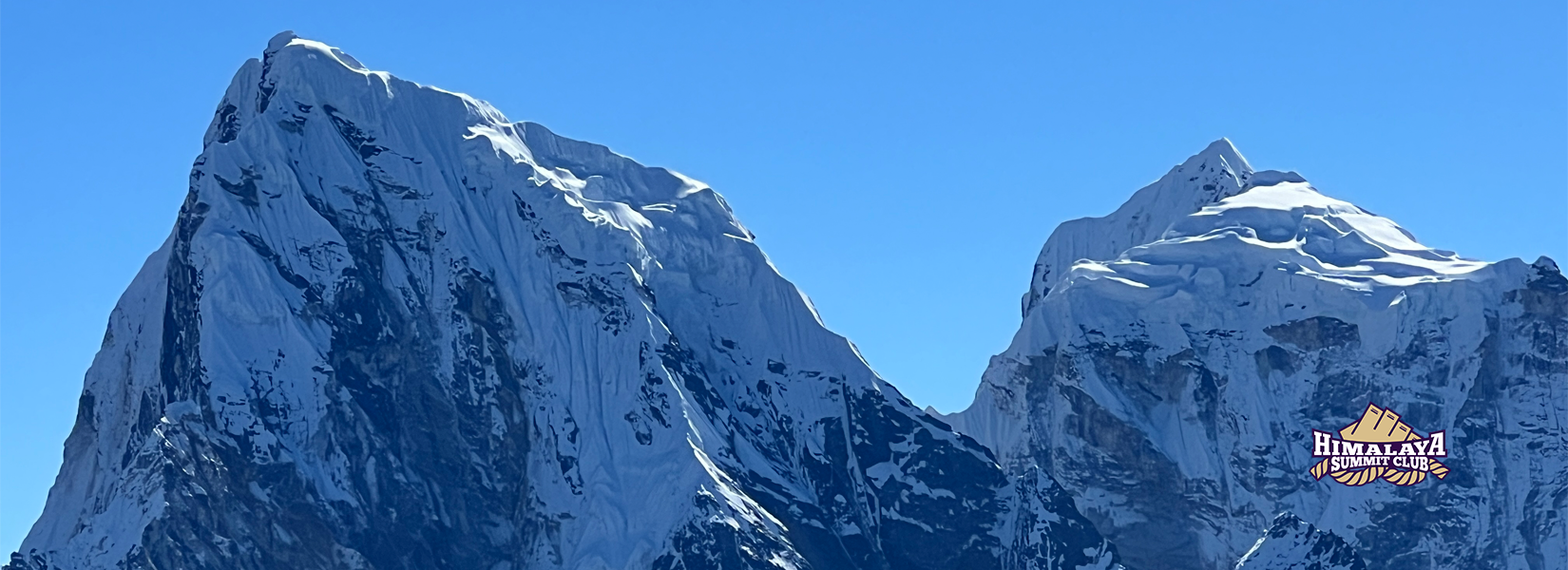
Mt. Cholatse Expedition

Mt. Cholatse Expedition

based on Reviews
based on 120 Reviews on Google
US$2000 US$1500 /pp

+977 9841239938

info@himalayansummitclub.com     himalayansummitclub@gmail.com
Region
Everest Region
Start/End Point
Kathmandu / Kathmandu
Activity
Expedition
Duration
30 Days
Group Size
1-10
Accommodation
Hotel + Teahouses + Lodges
Grade
Technical Challenging
Max.Altitude
6440m
Meals
As Per Itinerary
Beast Season
Autumn
Transport
By Air

Overviews

Mt. Cholatse is one of the most striking and technical peaks in the Everest region, rising sharply above the Dudh Koshi Valley near the famous villages of Dingboche and Pangboche. Known for its dramatic north face, exposed ridgelines, and mixed climbing terrain, Cholatse offers a true high-altitude technical expedition for experienced climbers.

Why Mt. Cholatse?

  • One of the most technical and aesthetic peaks in the Everest region
  • Mixed climbing on rock, snow, and ice
  • Ideal progression Technical mountain for 7,000m and 8,000m expeditions
  • Stunning views of Ama Dablam, Island Peak, and the Everest massif
  • Remote, challenging, and highly rewarding summit experience

Trip highlights of Mt. Cholatse Expedition

Himalaya Summit Club proudly maintains a 100% summit success record on Mt. Cholatse with professionally guided teams, reflecting our commitment to safety, strong acclimatization strategies, and elite guiding standards.

Travel Itinerary

  • Culture & Views: Explore Kathmandu’s Thamel area, temples, and local architecture.
  • Trail Conditions: Urban walking.

Culture & Views: Gear check, briefings, and Climbing permits.

  • Distance: 8 km
  • Walking Time: 3–4 hours
  • Culture & Views: Dudh Koshi Valley, first Sherpa villages, prayer wheels.
  • Trail Conditions: Well-marked trekking trail, suspension bridges.

  • Distance: 11 km
  • Walking Time: 5–6 hours
  • Culture & Views: Enter Sagarmatha National Park; first Everest viewpoints.

  • Distance: 3–5 km optional hikes
  • Walking Time: 2–3 hours
  • Culture & Views: Visit Everest View Hotel, Sherpa Museum, local market.

  • Distance: 9 km
  • Walking Time: 4–5 hours
  • Culture & Views: Traditional Sherpa village, historic Thame Monastery.
  • Trail Conditions: Valley trails, stone paths.

  • Distance: 10 km
  • Walking Time: 6–7 hours
  • Culture & Views: Alpine villages, yak pastures, glacial streams.
  • Trail Conditions: Rocky and moraine paths, gentle ascent.

  • Distance: 10 km
  • Walking Time: 6–7 hours
  • Culture & Views: High mountain pass with dramatic glacier and peak vistas; panoramic Himalaya.
  • Trail Conditions: Snow patches, rocky ascent/descent.

  • Distance: 4 km
  • Walking Time: 4–5 hours
  • Culture & Views: 360° Himalayan views of Everest, Lhotse, Makalu, Cho Oyu.
  • Trail Conditions: Steep, rocky ascent, narrow summit ridge.

  • Distance: Optional 3–5 km
  • Walking Time: 2–3 hours
  • Culture & Views: Gokyo Lake, surrounding glaciers, yak grazing areas.
  • Trail Conditions: Rocky alpine trails.

  • Distance: 7 km
  • Walking Time: 4–5 hours
  • Culture & Views: Glacier basin beneath Cholatse and Taboche; Puja Ceremony performed.
  • Trail Conditions: Moraine, loose rock, glacier sections.

  • Distance: 4 km
  • Walking Time: 4–6 hours
  • Culture & Views: Glacier views and high alpine faces.
  • Trail Conditions: Snow and mixed terrain, fixed ropes as required.

  • Distance: 6 km round trip
  • Walking Time: 6–8 hours
  • Culture & Views: Exposed ice, panoramic Khumbu views.
  • Trail Conditions: Technical alpine terrain (UIAA IV–V), fixed ropes in key sections.

  • Culture & Views: Glacier scenery, mental and physical preparation.

  • Distance: 1–2 km easy hikes
  • Walking Time: 1–2 hours
  • Culture & Views: Observe icefalls and high peaks.

  • Distance: 3 km
  • Walking Time: 4–6 hours
  • Culture & Views: Glacier walls, mountain peaks.
  • Trail Conditions: Steep snow, mixed terrain.

  • Distance: 2 km
  • Walking Time: 3–4 hours
  • Culture & Views: Alpine sunrise/sunset; approach to summit ridge.
  • Trail Conditions: Steep snow and mixed terrain, narrow ridges, fixed ropes/alpine movement.

  • Distance: 4 km ascent
  • Walking Time: 8–12 hours
  • Culture & Views: 360° Himalayan panorama from the summit.
  • Trail Conditions: Technical mixed climbing (UIAA IV–V).

  • Culture & Views: Recovery; optional light hikes.

  • Distance: 10 km
  • Walking Time: 5–6 hours
  • Culture & Views: Alpine villages, yak pastures, glacial valleys.

  • Distance: 11 km
  • Walking Time: 5–6 hours
  • Culture & Views: Sherpa villages, prayer wheels, panoramic views.

Want a trip tailored just for you?
Customize Trip

What's Included

Cost Includes
  • Airport transfers in Kathmandu
  • 3 Nights Hotel accommodation in Kathmandu (twin-sharing, B&B)
  • Domestic flights (Kathmandu–Lukla–Kathmandu)
  • All ground transportation
  • Climbing permits and government fees
  • Professional Mountain Guides and high-altitude staff
  • Base Camp staff, cooks, and kitchen crew
  • All meals during trek and Base Camp
  • High-altitude tents, Fuel, Foods and group climbing equipment
  • Fixed ropes and route preparation
  • Personal Sherpa support (as per package)
  • Satellite communication and emergency medical kit
  • Expedition certificate and summit recognition
Cost Excludes
  • International flights to/from Kathmandu
  • Nepal visa fees
  • Personal climbing gear and clothing
  • Personal travel and rescue insurance
  • Tips for guides and support staff
  • Personal expenses (snacks, drinks, laundry)
  • Additional personalized services not listed

Depature Dates

Start:Wednesday
August 19, 2026
End:Thursday
September 17, 2026
Price:
$1502
Status:
Available
Start:Wednesday
August 19, 2026
End:Thursday
September 17, 2026
Price:
$1504
Status:
Available
Start:Thursday
September 10, 2026
End:Friday
October 09, 2026
Price:
$343
Status:
Available
Start:Sunday
September 13, 2026
End:Monday
October 12, 2026
Price:
$544
Status:
Available

Useful Info

Why Himalaya Summit Club

  • Proven summit success on technical and high-altitude peaks
  • Highly experienced international and Nepalese mountain guides
  • Strong safety and risk management systems
  • Small, elite expedition teams
  • Personalized client support from planning to summit
  • Ethical and sustainable mountain operations
  • Technical Difficulty & Route Overview
  • Difficulty Rating: Technical Alpine / Mixed Climbing (AD+ to D, depending on route and conditions)

Training & Experience Requirements

Recommended Experience

  • To ensure safety and performance on this technical alpine ascent, participants should demonstrate the following background:
  • Previous 5,000m–6,000m summit experience on technical peaks such as Ama Dablam, Matterhorn, Alpamayo, or Ganjaroosh (or equivalent)
  • Confident use of crampons and ice axe on steep snow, ice, and mixed terrain
  • Proficiency on fixed ropes, including ascending, descending, and transitions
  • Glacier travel and crevasse safety experience, including rope team movement and self-rescue basics
  • Excellent physical fitness and endurance for sustained multi-day efforts in cold, high-altitude environments

Pre-Expedition Training

  • Participants are expected to prepare with a structured training plan that includes:
  • Cardiovascular endurance training (running, stair climbing, hiking, cycling)
  • Load-carry conditioning with a 10–15kg pack over varied terrain
  • Ice and mixed climbing technique practice (front-pointing, tool placement, movement efficiency)
  • Rope systems and anchor building (belays, rappels, transitions, and team communication)
  • Cold-weather exposure and mental resilien

Himalaya Summit Club can provide a custom pre-expedition training program upon confirmation.

Primary Route:

South-West Ridge (SW Ridge): Exposed ridge climbing with mixed rock and snow. Emphasizes movement efficiency, anchor building, and ridge travel in high winds and cold conditions.

  • Key Technical Skills Required:
  • Fixed rope ascent and descent
  • Ice and mixed climbing techniques
  • Crevasse rescue and glacier travel
  • Anchor building and belay transitions
  • High-altitude movement efficiency

Equipment List

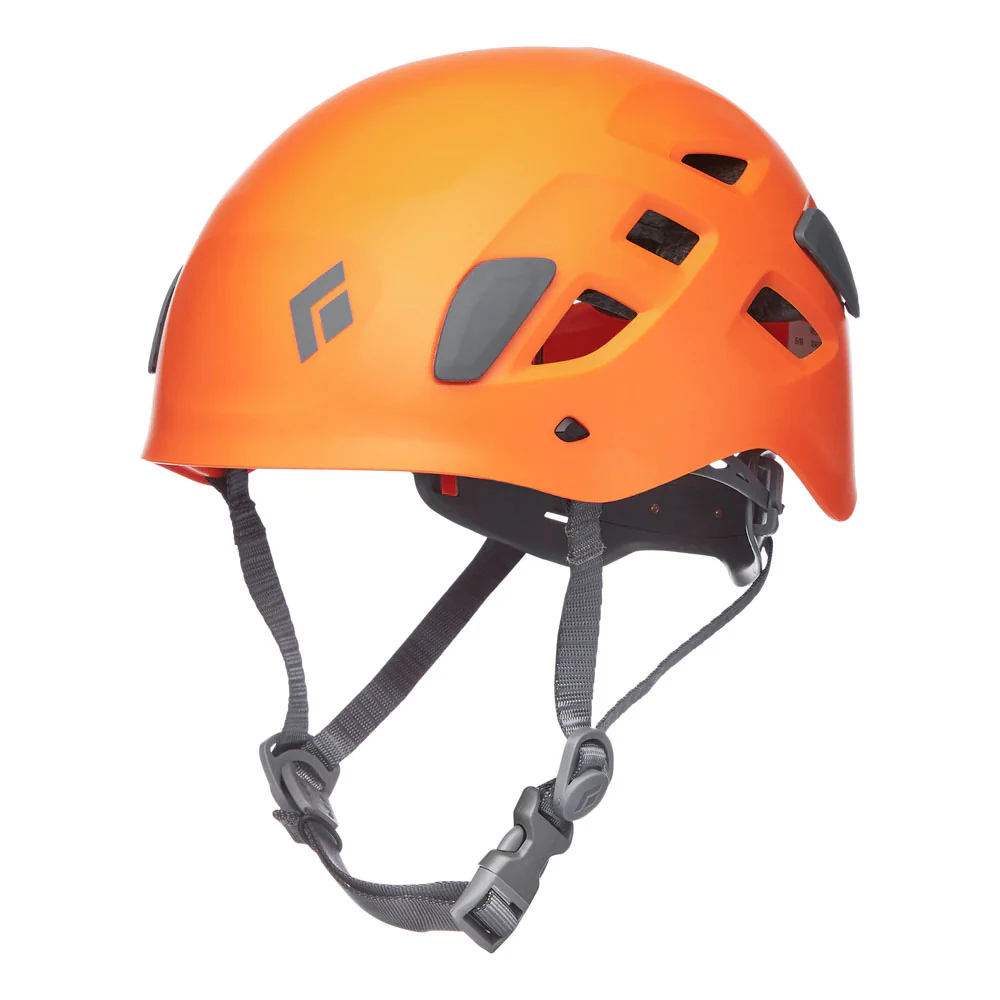
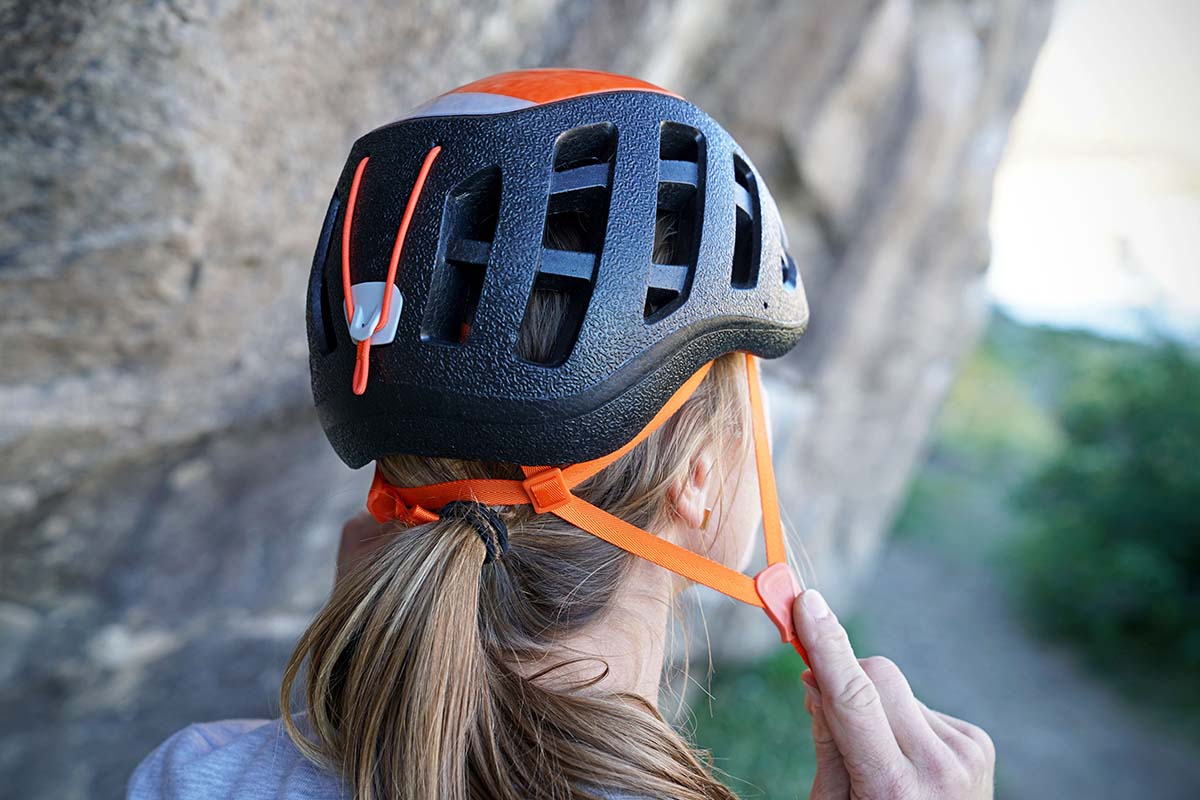
Helmet

A lightweight and secure helmet that protects against falling rocks, ice, and impacts. Must meet UIAA or CE safety standards for alpine use.

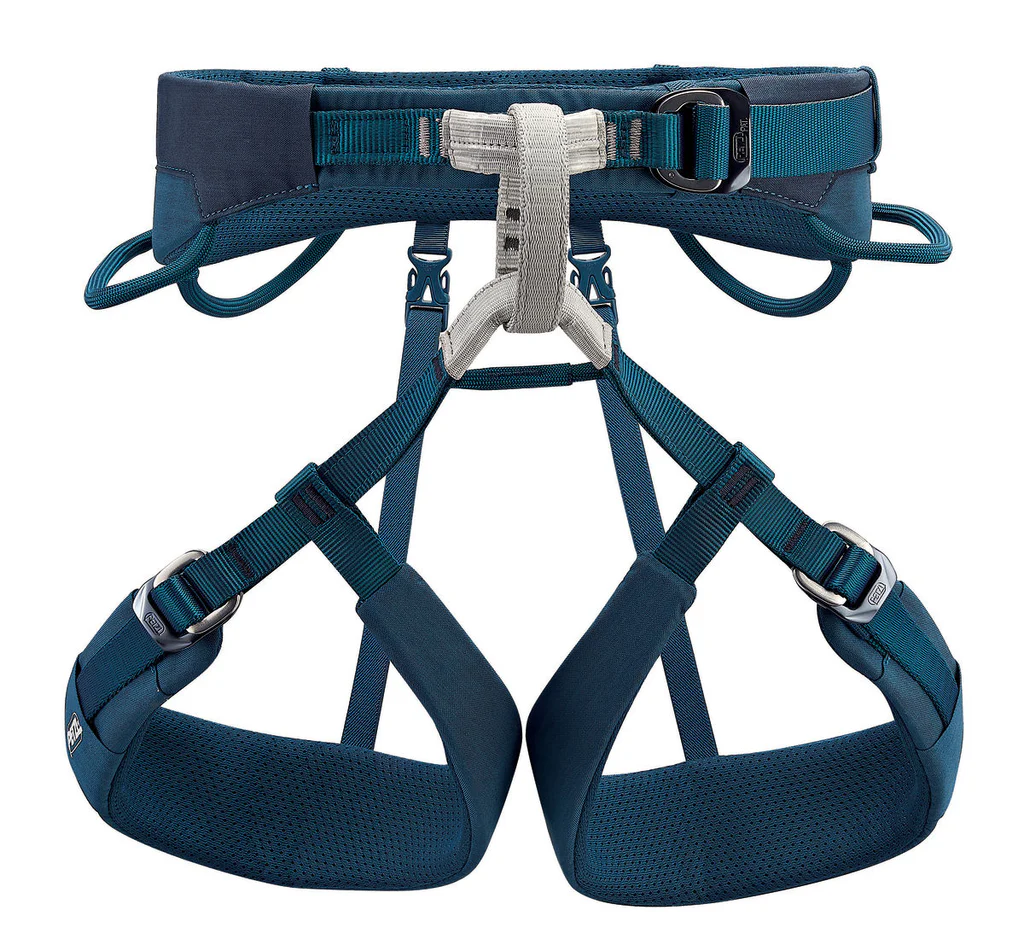
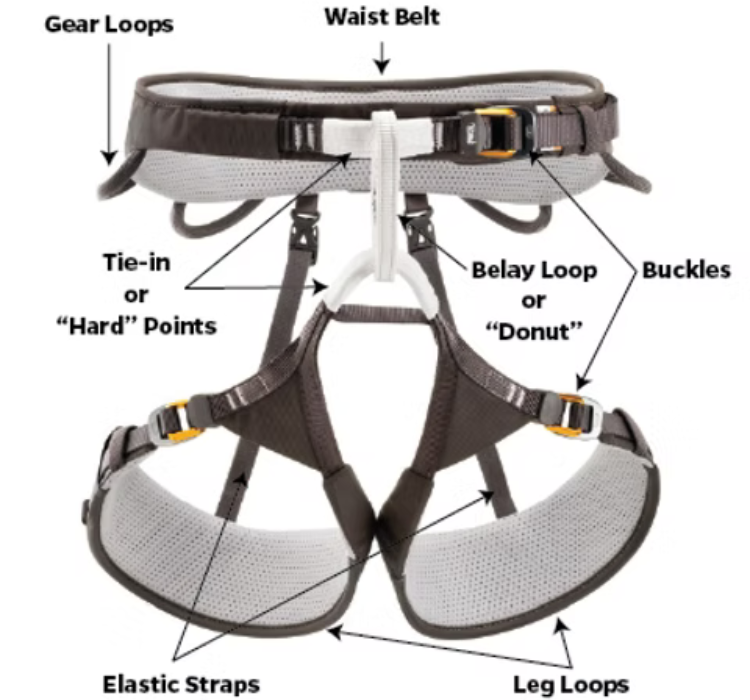
Alpine Harness

An adjustable alpine harness allows a secure fit over multiple layers, with adjustable waist belt and leg loops. A slightly thicker waist belt is recommended for better comfort and support during longer hanging or belaying. Lightweight and durable, it is essential for safe climbing and glacier travel.

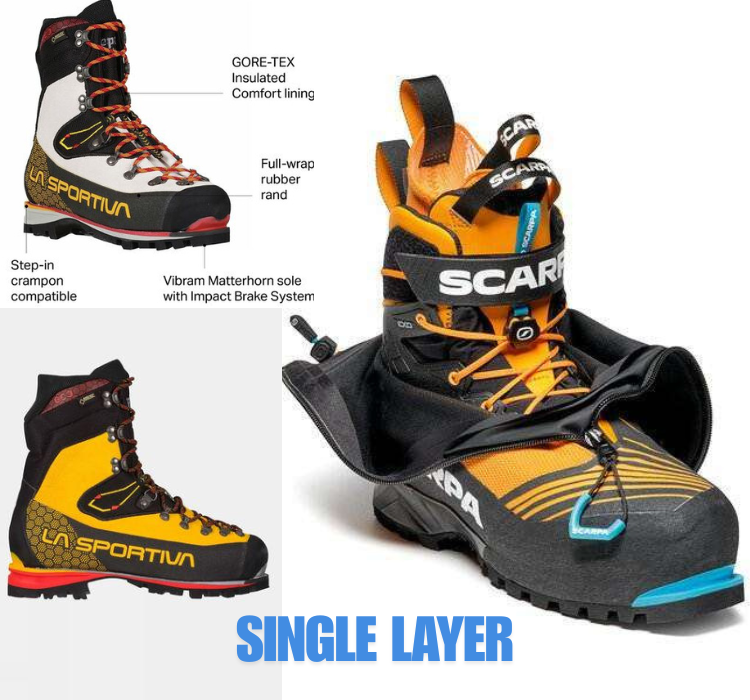
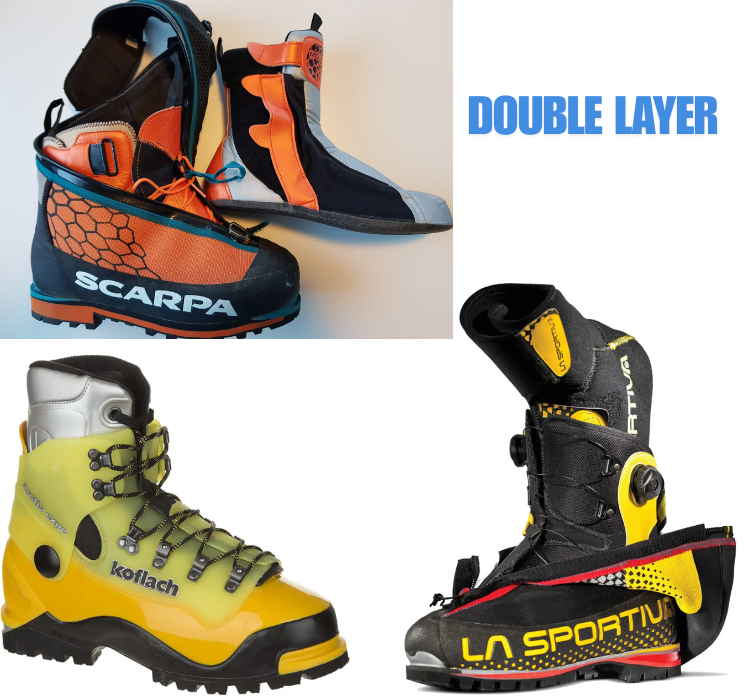
Mountaineering Boot

Mountaineering boots are critical for performance and safety in high-altitude environments, offering insulation, protection, and precise support on snow, ice, and mixed terrain. All boots must be compatible with crampons and suitable for cold, technical conditions. Recommend using B3 category boots, which are fully rigid and designed for technical mountaineering.

For November to March, we strongly recommend double-layer high-altitude boots such as La Sportiva G2 Evo or G2 SM for optimal thermal protection. Advanced single-layer options like Scarpa Phantom 6000, La Sportiva Nepal, or Cube may be used depending on conditions and individual experience.

Crampons

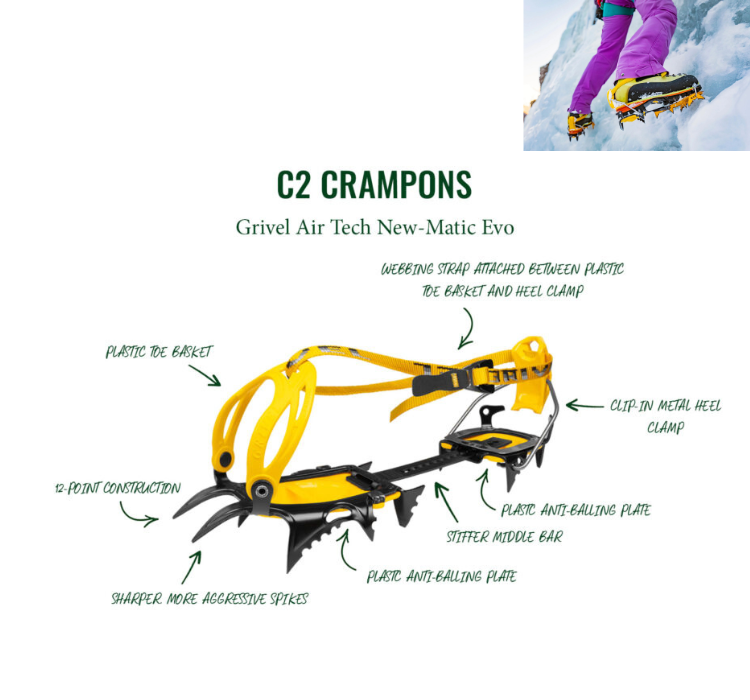
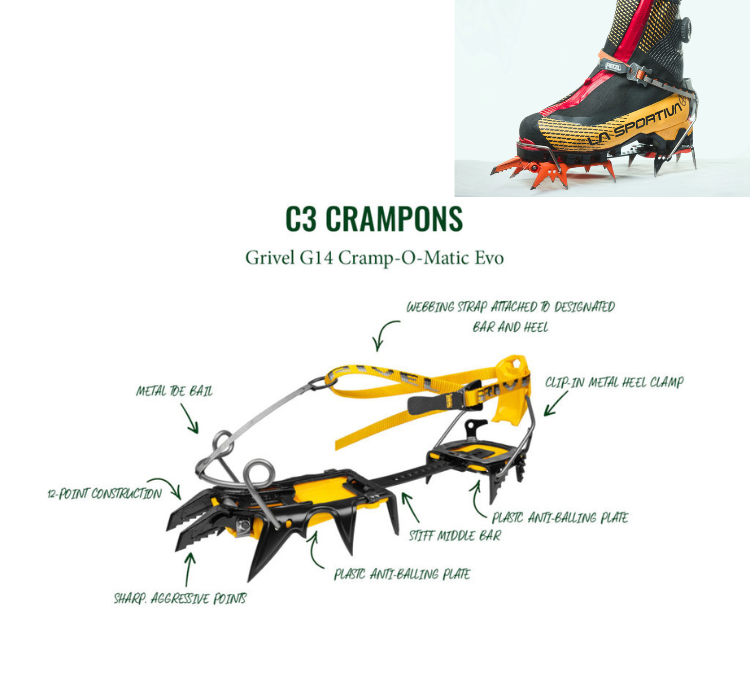
Crampons provide essential traction on snow and ice, allowing safe movement in alpine terrain. For mountaineering, C2 (semi-automatic) crampons are recommended for versatility and stability. For Technical ice climbing, C3 (automatic) crampons are preferred, offering a rigid fit and maximum precision.

Recommended models include:
Petzl Vasak, Petzl Sarken, Black Diamond Sabretooth, Grivel G12 (mountaineering)
Petzl Lynx, Black Diamond Cyborg, Grivel G14 (ice climbing)

Ice Axe & Ice Climbing Tools

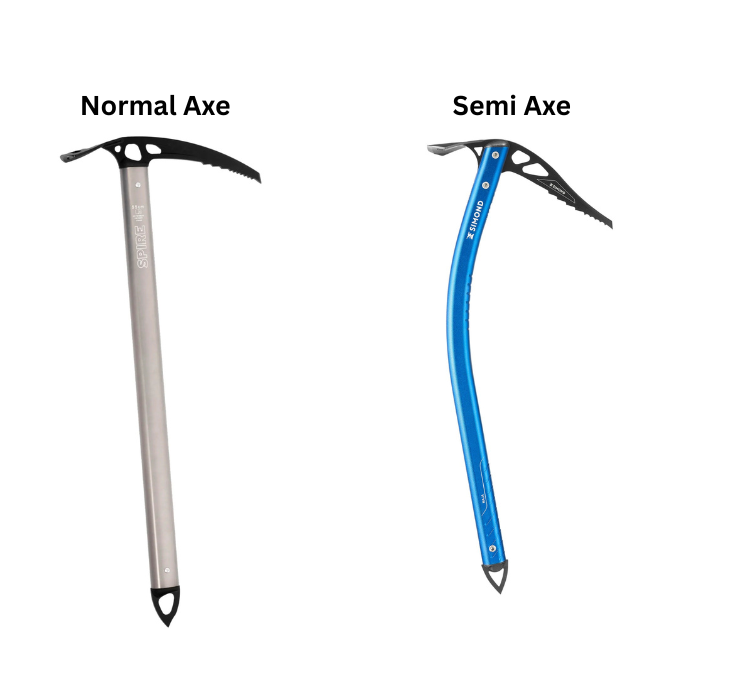
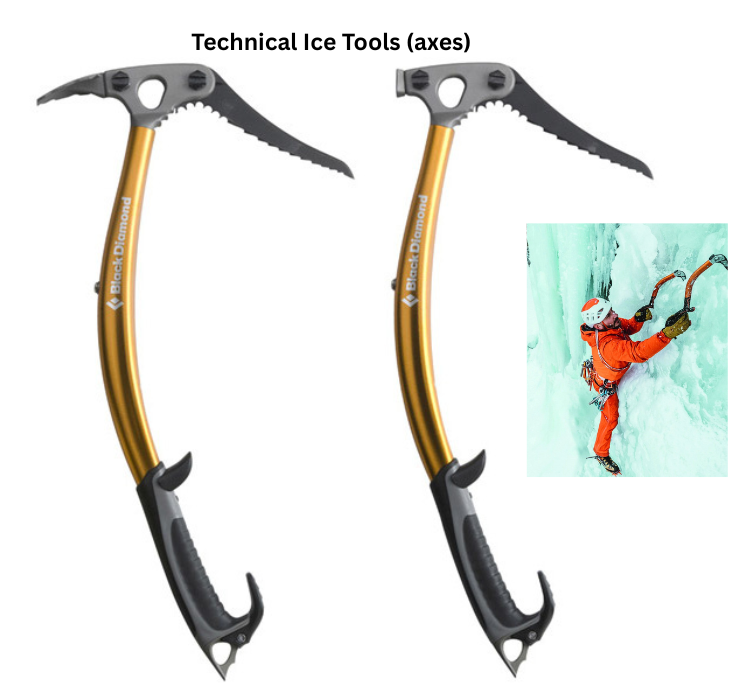
An ice axe is a key mountaineering tool used for balance, self-arrest, and climbing on snow and ice. It helps stop a fall, secure movement on steep slopes, and assist in step cutting when needed. For general mountaineering, a semi-technical ice axe is recommended, while a classic mountaineering axe is suitable for standard routes and training.

For more Technical terrain, Ice climbing tools are required. These are shorter and more curved, designed for steep and vertical ice, and used in pairs for better control and precision.

Carabiners

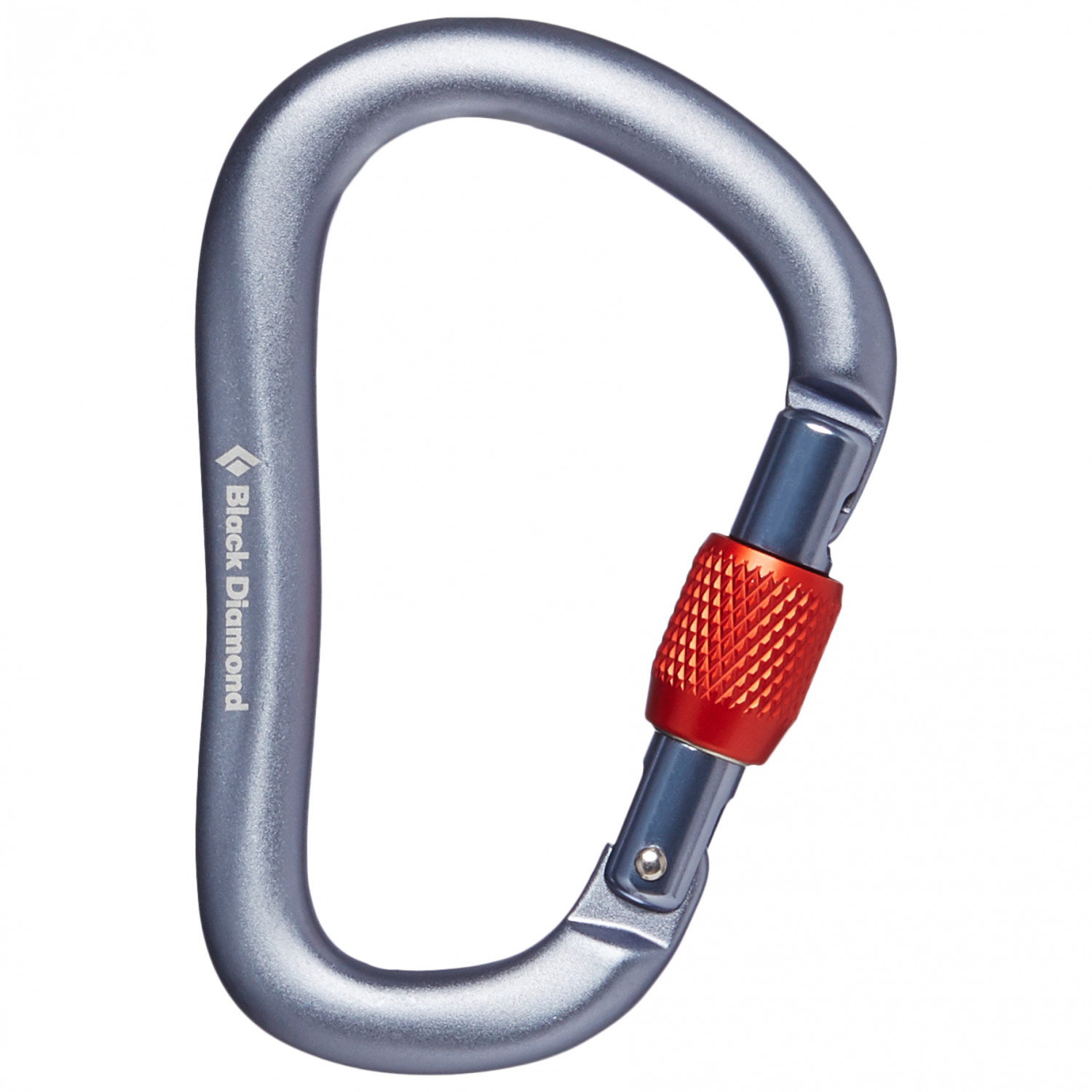
HMS Carabiner

A wide pear-shaped locking carabiner designed for belaying, rappelling, and tying a Munter hitch. Strong, secure, and essential for safe rope handling in climbing and mountaineering.

Required: 4 pcs

Jumar (Ascender)

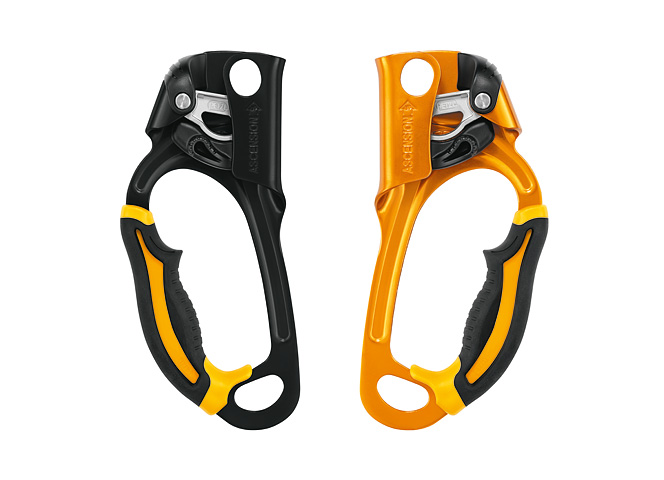
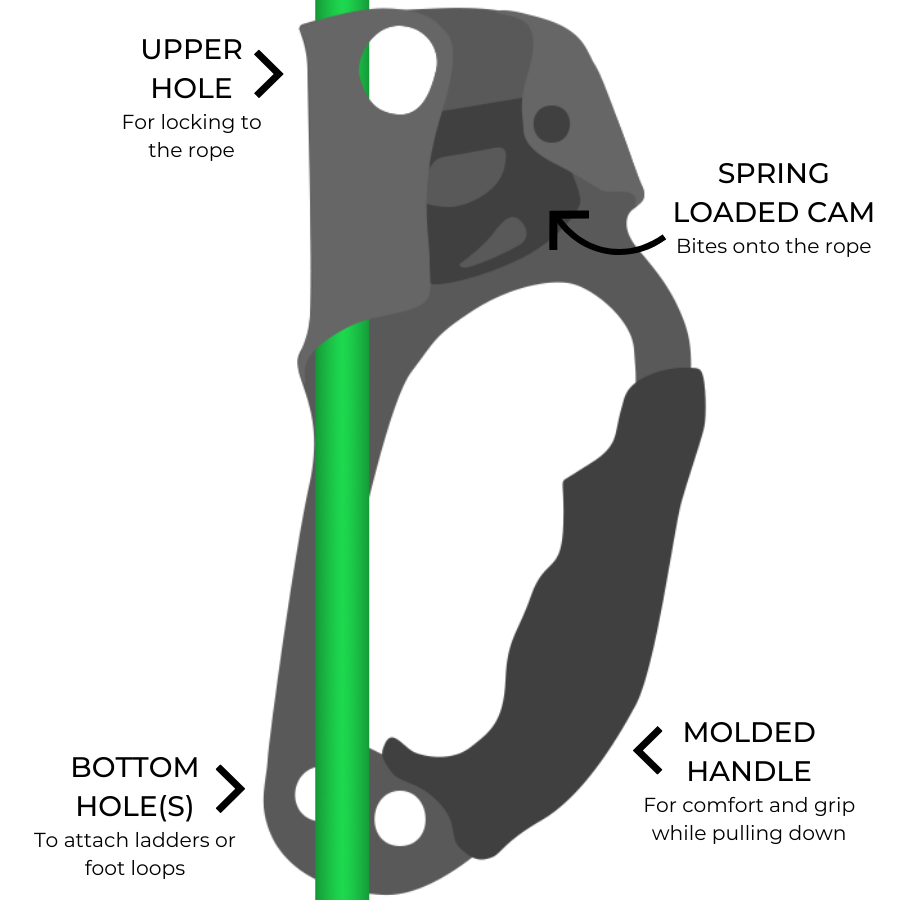
A jumar is a mechanical climbing device used to ascend a rope. It features a cam that grips the rope when weighted, allowing safe and efficient movement on fixed ropes and steep terrain.

Jumars are designed specifically for left-hand and right-hand use, and it is important to use the correct one in each hand for proper technique and safety. Typically, climbers use one in each hand for balance and efficient upward movement during mountaineering and rope work.

Belay Device

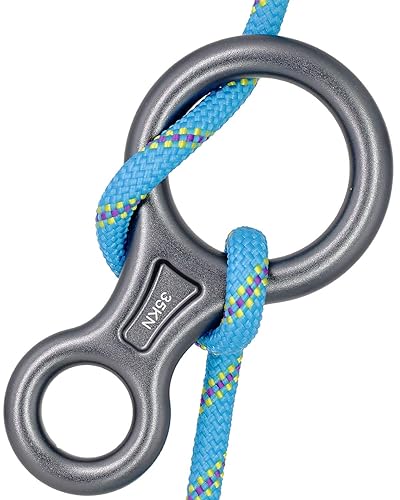
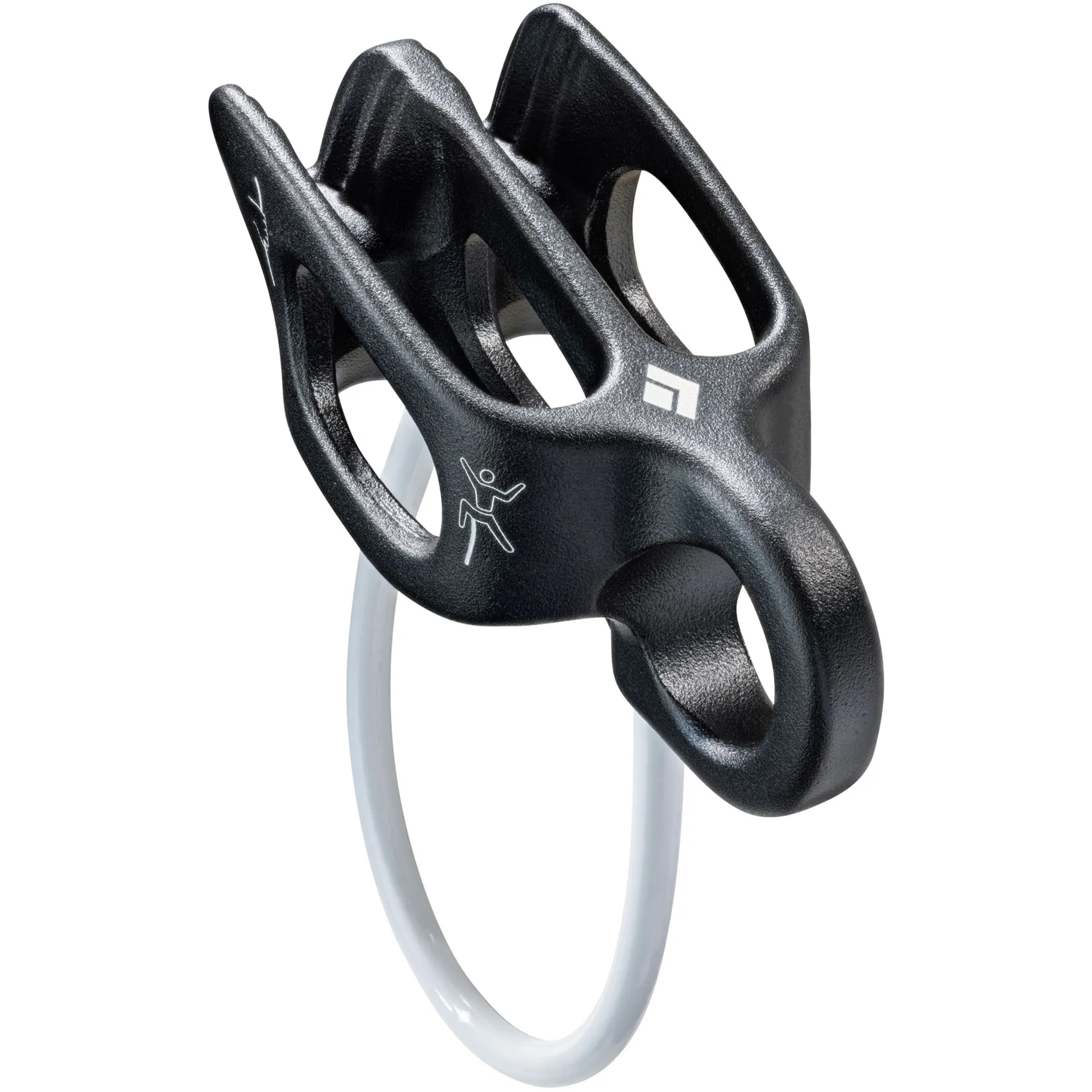
A compact metal device used to control the rope during belaying or rappelling. It provides friction to safely manage a climber’s fall, lower a partner, or descend in a controlled manner. Suitable for both single and double ropes depending on the device type.

You may choose a device that you are most comfortable using, such as an ATC Guide (with guide mode) or a Figure of Eight.

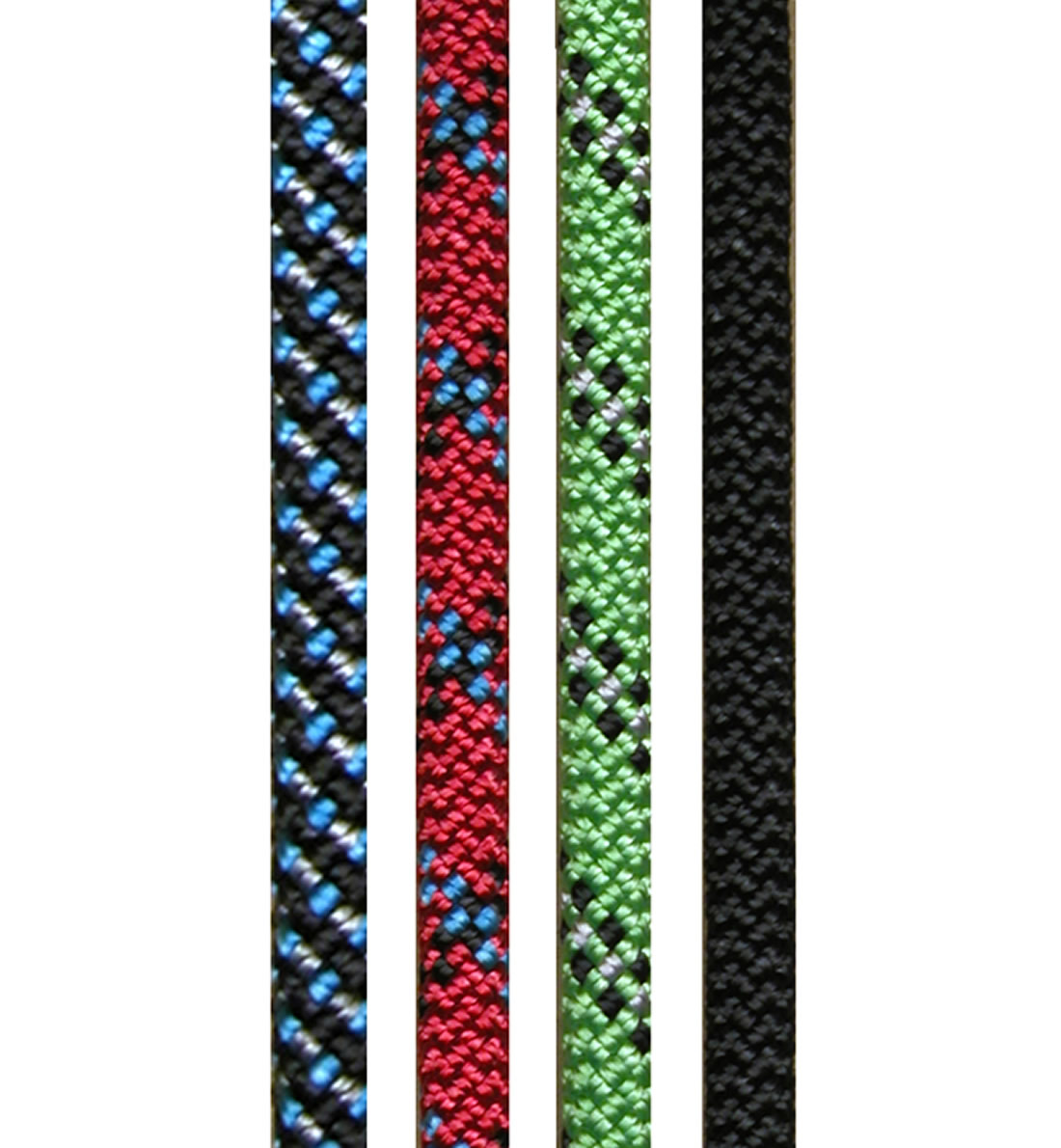
8MM Rope

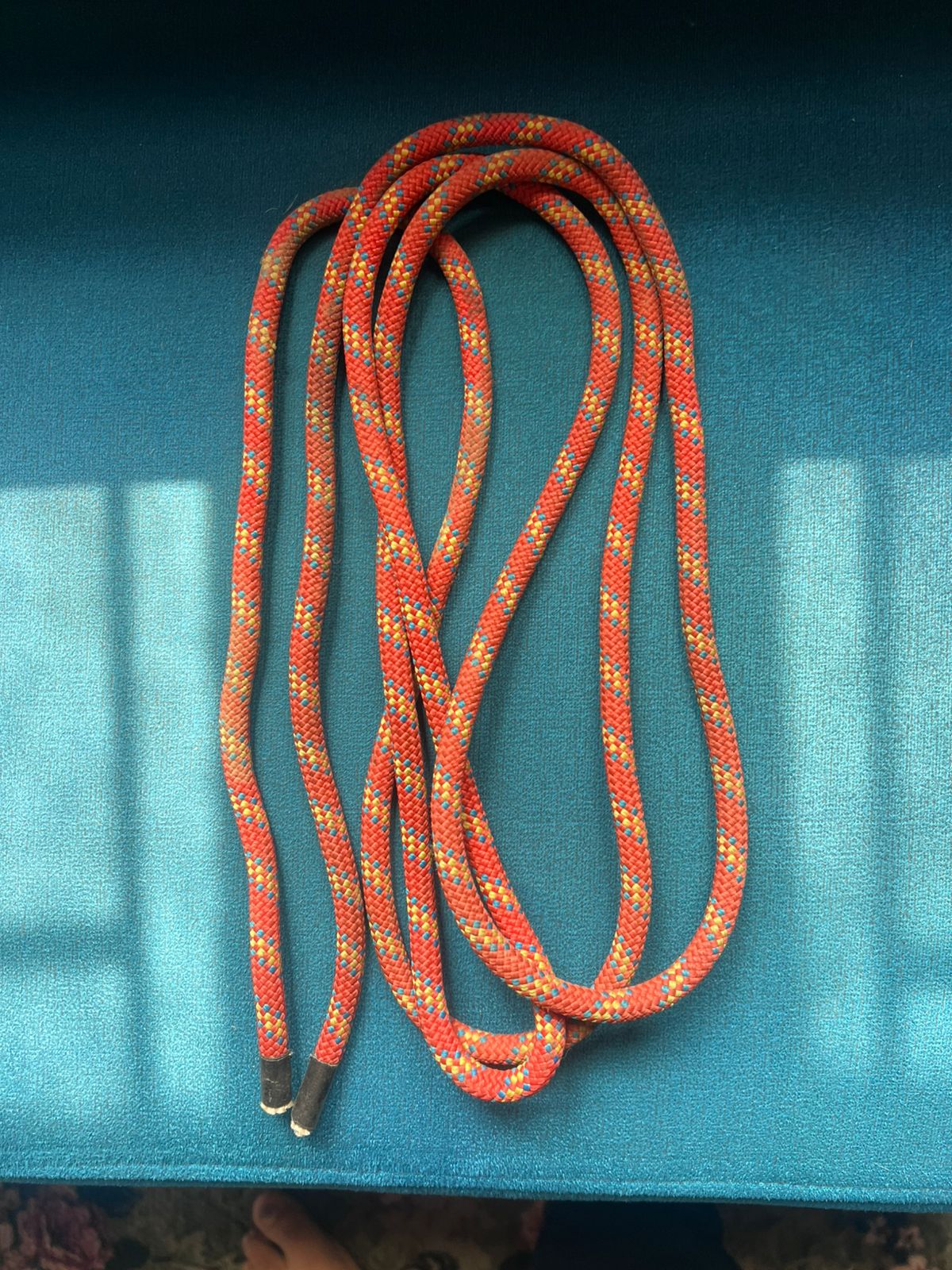
3 m long 8–9 mm dynamic rope for personal use, and a short rope for safety backup during jumaring and technical sections.

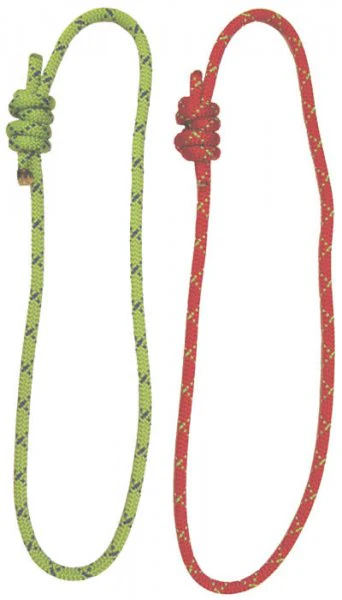
Prusik Rope 7mm

Prusik Rope – Small-diameter cord used for backup, ascending, self-rescue, or creating friction on a fixed rope. 5 meters around

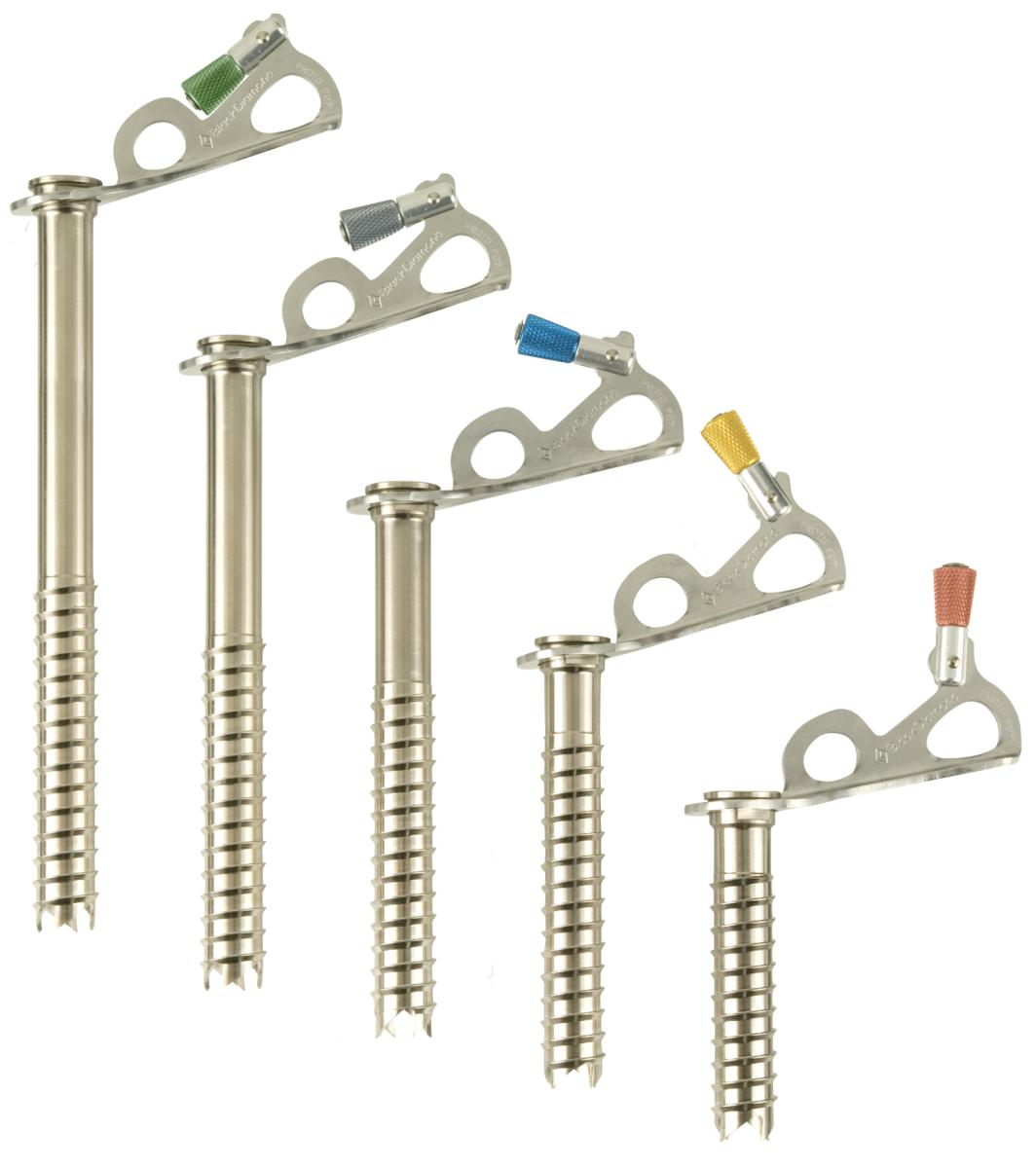
Ice Screw

A tubular screw used to create secure anchors in ice for protection or belaying during climbing.

Size: 20–22 cm
Required: 1–2 pcs
Recommended Brands: Black Diamond, Petzl

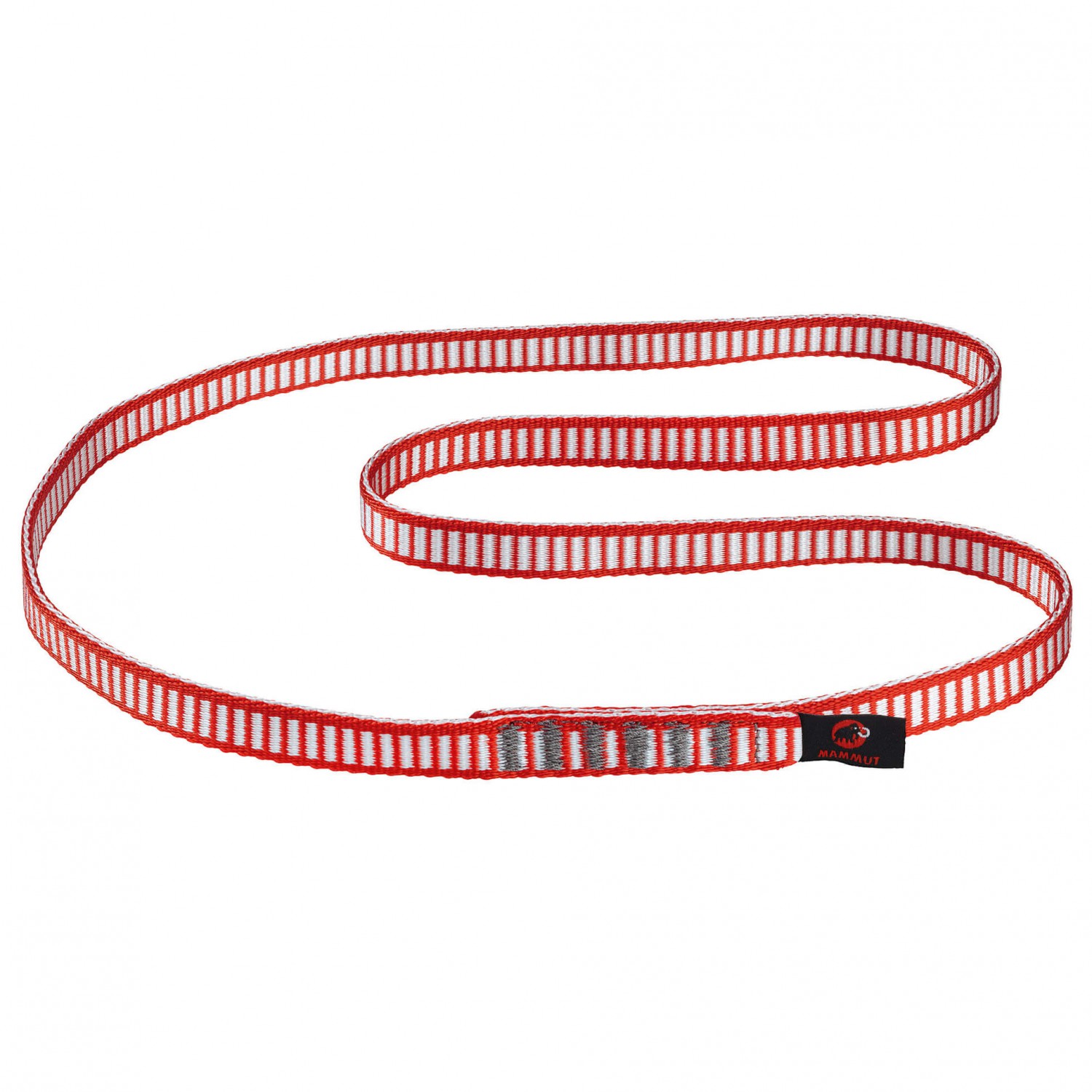
Tape Sling

Durable webbing used to create anchors, extend protection, or secure yourself on rock or ice.
Instead of sling now 9mm rope also can use for anchor. 120CM Sling for Anchor

Frequently Asked Questions

Mt. Cholatse is a challenging technical Himalayan peak, demanding excellent overall fitness and climbing ability. Participants should be capable of hiking 6–8 hours per day at altitude with a heavy pack and must have previous experience on multiple 5,000 m–6,000 m technical peaks. Experience with rock and ice climbing, mixed terrain, and exposure is essential. Climbers who have ascended peaks such as Ama Dablam, Alpamayo, or the Matterhorn will find the skill level required for Cholatse to be a strong match for their experience.

  • All climbers must carry comprehensive travel and high-altitude rescue insurance that covers:
  • Medical treatment at high elevations
  • Helicopter evacuation from remote areas
  • Emergency repatriation
  • Trip cancellation or interruption
  • This ensures you are protected in the event of accidents or unpredictable situations.

Autumn (October–November) offers stable weather and clear skies in the Everest region, making it the ideal climbing season. Daytime temperatures at Base Camp and during the trek are mild, but at altitude and on summit days conditions are cold with strong winds and intense sun exposure. Climbers should be prepared for a range of temperatures and rapid weather shifts.

Cholatse is typically climbed without supplemental oxygen. Emergency oxygen may be available for medical support, but it is not included in the standard expedition package. If you specifically require oxygen support for acclimatization or summit strategy, it can be arranged separately at additional cost.

  • Our team provides:
  • Satellite and radio communication
  • On-expedition medical kits and high-altitude medications
  • Emergency coordination for helicopter evacuation (insurance-dependent)
  • Weather and route safety monitoring
  • Emergency procedures and evacuation logistics are discussed during expedition briefings.

The standard and most commonly used route is the South-West Ridge Route — a highly technical line characterized by mixed snow, ice, and rock sections. Above Base Camp, fixed ropes are used on steep and exposed terrain. Climbers will navigate knife-edge ridges, ice walls, and mixed pitches requiring confident technical movement.

Climbing days vary by camp and conditions, but a typical day ranges from 6–10+ hours. The segment between Base Camp and Camp I, and between Camp I and Camp II, are especially demanding due to steep terrain and exposure. Summit day is challenging but comparatively shorter, involving steep knife-edge sections and careful movement.

  • You need to be comfortable with:
  • Fixed-line travel and rope ascents
  • Ice climbing (intermediate level recommended)
  • Rock scrambling and exposure management
  • Crampons and ice axe use on steep snow/ice
  • Abseiling / rappelling techniques
  • Daily movements on mixed terrain demand a high level of technical competence.

During acclimatization rotations and climbs, your personal pack may weigh 18–25 kg (40–55 lb), as you will carry your own gear while the Sherpa support team manages group equipment and fixed ropes.

Training should include:

  • Cardio endurance (running, cycling, long hikes)
  • Load-carrying hikes (10–15 kg pack)
  • Rock and ice climbing sessions
  • Rope skills, crampon and ice axe technique practice
  • Altitude acclimatization preparation
  • This combination of strength, endurance, and technical skill training is critical to safely and successfully climb Cholatse.

Ratings & Reviews

0/5
-
Based on 0 reviews
Excellent
0
Very Good
0
Average
0
Poor
0
Terrible
0
How was your experience with us?
All Inclusive Price
US$2000 US$1500 /pp

30 Days

  • Instant Booking
  • No Hidden Costs
  • Secure Payments
  • 24/7 Support
Tulsi
 Talk to Expert (Tulsi )
+9779841239938
Kishan
 Talk to Expert (Kishan )
+9779846431447 (English | Français)
newsletter

Receive Travel Inspirations

We're affiliated with
  • Nepal Government
  • NTB
  • TAAN
  • NMA
Professional Affiliations
  • Nepal National Mountain Guide
  • IFMGA