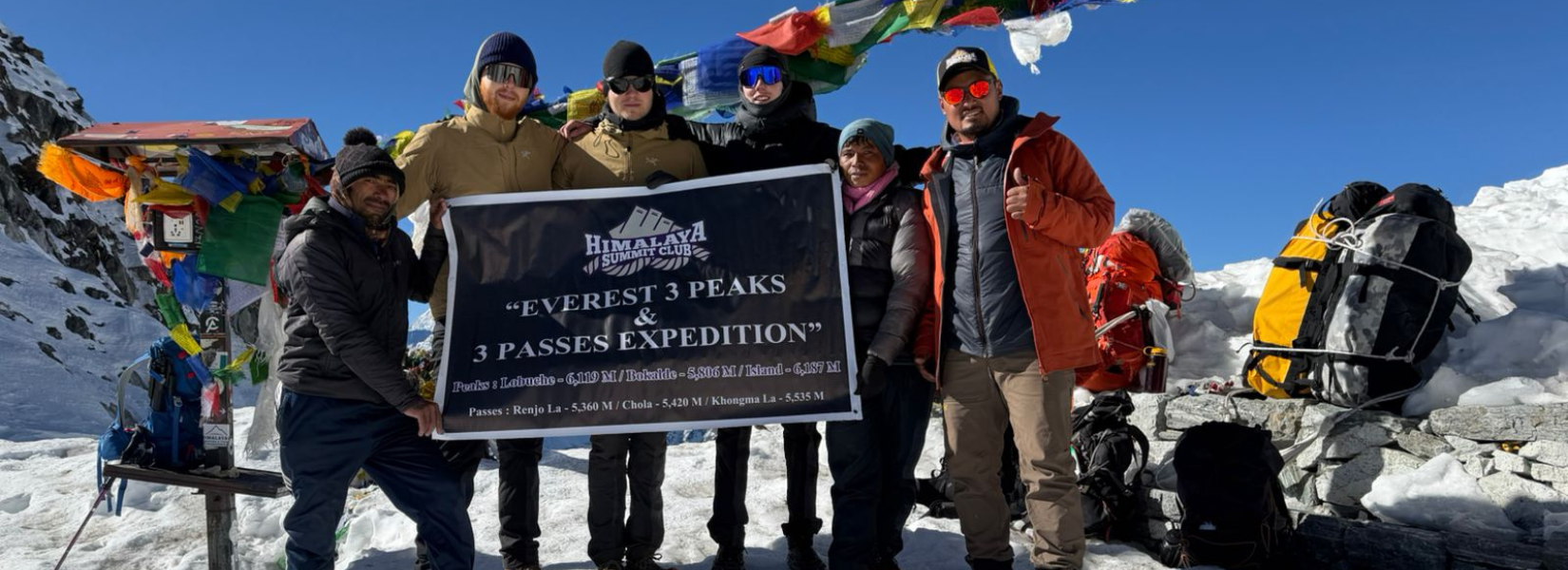
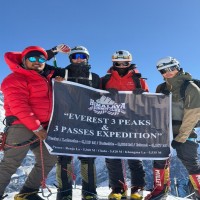
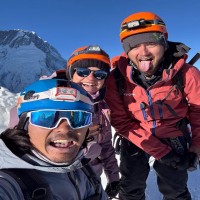
Experience the thrill of trekking in the foothills of Mount Everest (8,848m), one of the highest regions in the world. The Three Passes Trek with 3 Peak Summit is the ultimate adventure in Nepal, offering a chance to cross three high mountain passes and summit three stunning Himalayan peaks.
🔹 Cross three iconic mountain passes:
🔹 Summit three breathtaking peaks:
🔹 Immerse in the rich Sherpa culture and traditions
🔹 Witness stunning Himalayan panoramas, including Mt. Everest (8,848m), Lhotse (8,414m), Nuptse (7,861m), and Ama Dablam (6,856m)
🔹 A challenging yet rewarding 25-day adventure
Your journey begins with a scenic flight to Lukla, the gateway to the Everest region. The trek gradually ascends through traditional Sherpa villages such as Phakding, Namche Bazaar, Thame, and Lumde before reaching the first high pass, Renjo La (5,360m).
From here, you’ll enter the pristine Gokyo Valley, known for its stunning glacial lakes. The adventure continues as you cross the Cho La Pass (5,420m), leading you to Lobuche Base Camp, where you’ll prepare for the ascent of Lobuche East (6,119m).
After the successful summit, the trek proceeds toward the third high pass, Kongma La (5,535m), bringing you directly to Pokalde Base Camp. You’ll then summit Pokalde Peak (5,806m) before heading to Island Peak Base Camp for the final climb of Island Peak (6,189m).
Following the successful summits, the descent takes you through Chhukung, Dingboche, Tengboche Monastery, Namche Bazaar, and finally back to Lukla. The journey concludes with a flight to Kathmandu, where you can celebrate your incredible achievement.
Our representative will warmly receive you upon your arrival at Tribhuvan International Airport. He will escort you to your hotel. You will meet your Sherpa guide and discuss the trip. In the evening, you can choose to go out to take a stroll or to shop for trek/climb accessories, gear,and goodies. Overnight stay at a hotel in Kathmandu.
After an early breakfast, you’ll embark to the Airport to catch a short flight to Lukla. A half an hour flight, you’ll travel all the way to Lukla which serves as the gateway to the Everest region. After a brief layover, you’ll begin trekking and head to the next village of Phakding from Lukla. Overnight stay at Lukla.
The trek gradually advances through the traditionally rich villages of Khumbu region. You’ll hike to Jorsalle and walk along the DudhKoshi Valley. A bit further lies Monjo, also the entry point of Sagarmatha National Park. After obtaining the permit, you’ll advance north toward Namche Bazaar while observing the exotic Himalayan flora and fauna inside the park. Overnight stay at Namche.
Today, you’ll spend the day acclimatizing at Namche Bazaar. It’s important to acclimatize before ascending further up to prevent altitude sickness and other ailments.You’ll make a short hike to the nearby village of Khumjung and Kunde. Khumjung is a small Sherpa village famous for its ‘Khumjung Hillary School’ and a local monastery which has preserved the supposed Yeti’s scalp in a glass box. Kunde is another Sherpa village near to Namche popular for its hospital established back in 1966. Overnight stay at Namche.
Today, you’ll leave Namche and head to the village of Thame. Thame lies to the east of Namche. The trail passes through the Sherpa hamlets of Thesko and Thamo. You will encounter plenty of pine and spruce trees, and rhododendron bushes along the trail. In Thame, you can visit the illustrated Thame Monastery as well. Overnight stay at Thame.
The day begins with an easy uphill hike to Lumde. Passing Thambuteng, you reach ThumlaKharka and cross the ChhujungmaKhola. Going past Taranga, you will arrive at the quaint Sherpa village of Marulung after crossing the BhoteKoshi River. From here, you’ll descend to Lumde village passing Gomo on the way. Overnight stay at Lumde.
Today, you’ll make a short hike from Lumde and head towards the foothill of Renjo La. Renjo La (5,360m) is one of the highest passes in the region. You’ll make your way through the rocky terrain along the snow moraines.The trek also involves going through two lakes, namely: Renjoand RelamaTsho. Overnight stay at Renjo La Base Camp.
Today, you’ll climb the Renjo La and cross one of the highest passes in the region. From the top, you can relish some of the spectacular views of the Mt. Everest (8,848m) and Nuptse (7,861m). While descending, you will cross multiple lakes, namely: Longpongo and TabocheTsho, before arriving at Gokyo village. The village lies close to the banks of DudhPokhari. You can enjoy the picturesque sights of the surrounding Cho Oyu(8,188m), Lhotse (8,414m), and Makalu (8,463m), and Taboche (6,367m) from the lake shore. Overnight stay at Gokyo.
You’ll leave Gokyo village and head to GokyoRi (5,360m), a local peak west of Ngozumpa Glacier. You’ll easily climb the peak and witness gorgeous views of the surrounding Himalayas. Later, you return to Gokyo and head to Dragnag. You’ll cross Ngozumpa glacier, the largest glacier in the Everest region, and arrive at Dragnag. Overnight stay at Dragnag.
Today, you’ll cross another high pass of the region, Cho La Pass (5,420m). The difficult trek will begin from Dragnag and head along the snowy terrain.Climbing Cho La can be difficult due to slippery ice-trail along the route. The top of the pass is decorated with Buddhist prayer flags. You’ll get to relish the views of Cholatse (6,335m) and Taboche (6,367m) from the top. The descent is equally difficult due to ice-trail which can be quite slippery. After heading down from Cho La you’ll arrive at Dzongla village. Overnight stay at Dzongla.
You’ll leave Dzongla village and head to the usual Everest Base Camp route. A short walk will bring you to a flat trail with a beautiful view of surrounding peaks. After a while, you’ll arrive at the transit where you’ll encounter trekkers coming from Tengboche, Dingboche, and Pheriche. Taking an uphill detour, you’ll arrive at Lobuche village. A short walk east of the village will bring you to Lobuche Base Camp. Overnight stay at Lobuche Base Camp.
The day begins early as you start climbing the Lobuche East Peak (6119m)from here on. You’ll move along the Lobuche Glacier while enjoying the beautiful sights of AmaDablam, Cholatse, Pokalde, Thamserku, and Kangtegaranges. The benefit of starting early is to avoid bad weather and to complete the climb on time. The final ascent is made through the challenging exposed ridge lying just below the summit. From the top, you can get the view of the entire valley along with some of the highest mountains in the region. After celebrating your ascent at the top for a brief period of time, you’ll make your way back to the base camp. Overnight stay at Lobuche Base Camp or Lobuche Village.
Depend on your choice our guide will guide you.
you had already done 2 passes and 1st summit, So you might be tired as well. so if you feel tired then go to rest at Lobuche. If you want more Explore then you can hike to Everest Base Camp (EBC), it’s about 7 hours up and down. And you can hike to Kalapattar (5500m) as well, it’s also about a 7 hours up and down trek. and tomorrow again big pass fo Kongma La.
You’ll cross the 3rd pass Kongma La Pass (5,535m) today. The difficult terrain is generally filled with snow. From the top, you can catch the beautiful mountain panorama of Nuptse (7,861m), Pokalde (5,806m), and Lhotse (8,414m). After a brief layover, you’ll descend down the pass and make way towards Pokalde Base Camp lying on the foothills of Pokalde peak.
Overnight stay at Pokalde Peak Base Camp.
Today the climb begins early in the morning. You’ll climb along the snowy path leading all the way to a narrow ridge leading up to the summit. Upon reaching the summit, you will get to witness the breath-taking panorama of some of the highest mountains namely Makalu (8,481 m), Mt. PumoRi (7,165 m), and Mt. Ama Dablam (6,856 m). After spending some time on the top, you will trek back to Chhukung valley. Overnight stay at Chhukung.
Today, you’ll spend time acclimatizing at Chhukung and preparing for the big climb. Your Sherpa guide will introduce you to the technical aspects of Island Peak and how you can climb it using the tools in hand. The day can be spent exploring the village and observing the mesmerizing snowy peaks in Everest massif. Overnight stay at Chhukung.
Today is a special day, as you move northeast towards the Island Peak Base Camp. Passing across the Lhotse Glacier you’ll arrive at the uneven route through the Imja Lake and Lhotse glacier moraines. The trail leads to a wide valley flanking the southwestern side of the Island peak. Once at the base camp, you can rest and prepare for the climb.
Overnight stay at Island Peak Base Camp.
The climb generally begins the early morning. You will get up before dawn and begin climbing the peak. The route tracks a ridge line which opens up an exposed traverse onto the snout of the summit glacier. The summit offers the panoramic view of the entire valley along with few popular peaks namely Everest (8,848m), Lhotse (84,14m), and Makalu (8,463m). After briefly staying at the top, you’ll make your way back to the base camp.
Overnight stay at Island Peak Base Camp.
A day is kept in hand to ensure that you complete the Island peak climb in case the weather worsens which can usually halt the climb. If you have climbed the peak, you’ll make your way back to Dingboche village via Chhukung village.
The trail descends to the village of Tengboche. You’ll walk along the DudhKoshi valley and descend down the rocky terrain to Tengboche. The trek on this day treads along the Imja River and passes Somare and Pangboche before you reach Tengboche. From here, you can get a beautiful sight of the nearby Mount Ama Dablam (6,856m).
Overnight stay at Tengboche.
The short downhill trail from Tengboche will take you back to Namche. You’ll descend through some steep rock stairs while enjoying the panoramic view of Kongde Ri and Numbur peaks in the background. Once at Namche, you’ll spend time relaxing. You can also choose to take a stroll around Namche Bazaar’s popular market.Overnight stay at Namche Bazaar.
Leaving Namche Bazaar, you’ll see the last of DudhKoshi valley. After breakfast, you’ll start heading down the valley and cross the Hillary Suspension Bridge to reach Phakding. After a decent downhill hike, you’ll arrive at Lukla. Once at Lukla, you can celebrate the completion of your trip with your colleague and staff.Overnight stay at Lukla.
Today you’ll bid farewell to Lukla and head back to Kathmandu. You can catch the last of Khumbu valley along with the panoramic sight of mountains from the flight. Once at Kathmandu, our representative will escort you back to your hotel. You can celebrate the success of the incredible Himalayan adventure at the local diners and restaurants in the city. Overnight stay at a hotel in Kathmandu.
On the 24th day, our tour guide will take you out for sightseeing. You will mostly be visiting the UNESCO World Heritage sites in Kathmandu. Beginning with the tour to the Swayambhunath temple to the north-west of the Kathmandu Valley, the excursion of the Kathmandu Durbar Square is next on the list. As we move to Pashupatinath, the revered Hindu temple, the tour of the Kathmandu Valley comes to an end. If you wish you can also do some souvenir shopping especially around the Thamel area. Overnight stay at a hotel in Kathmandu.
Today, you’ll leave for the Airport. You’ll leave approximately 2hr early to avoid any delay from traffic congestion. Along the way, you can discuss your next trip with our representative.
| Start:Tuesday August 25, 2026 |
End:Friday September 18, 2026 |
Price: $3241 |
Status: Available |
|
| Start:Thursday August 20, 2026 |
End:Sunday September 13, 2026 |
Price: $3239 |
Status: Available |
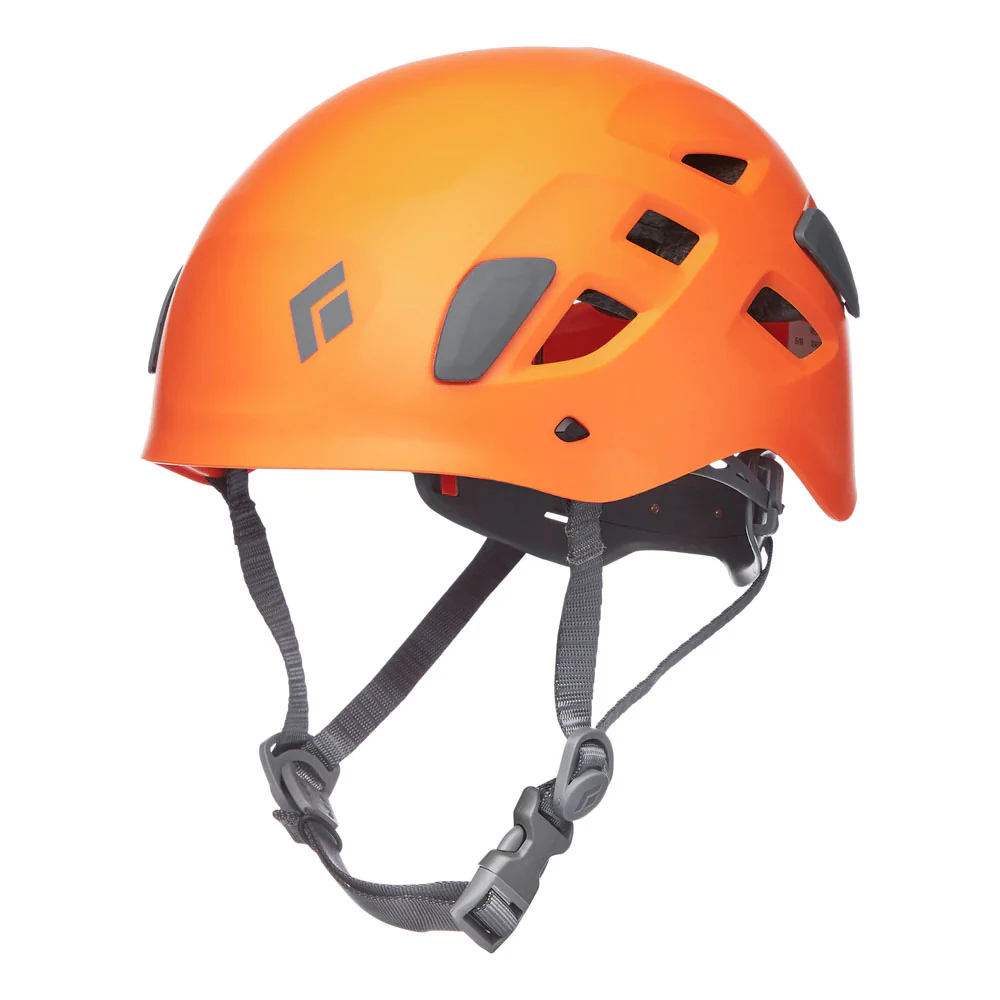
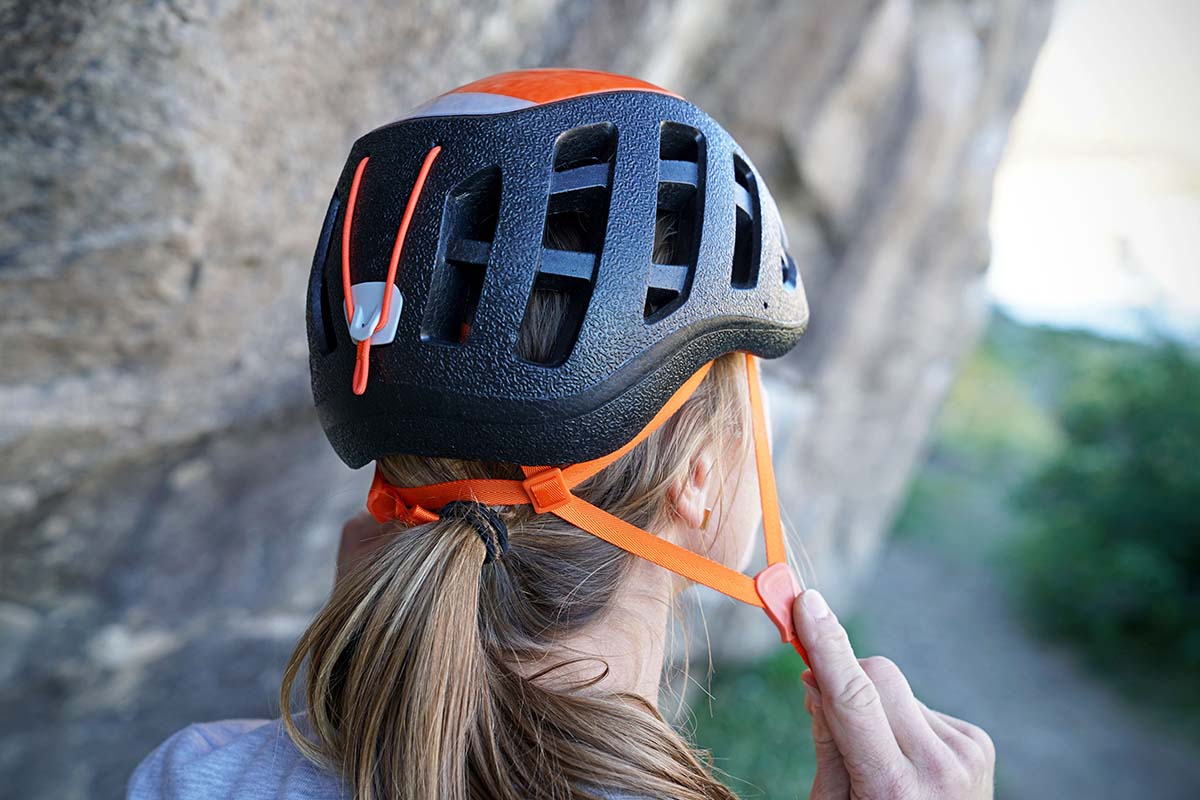
A lightweight and secure helmet that protects against falling rocks, ice, and impacts. Must meet UIAA or CE safety standards for alpine use.
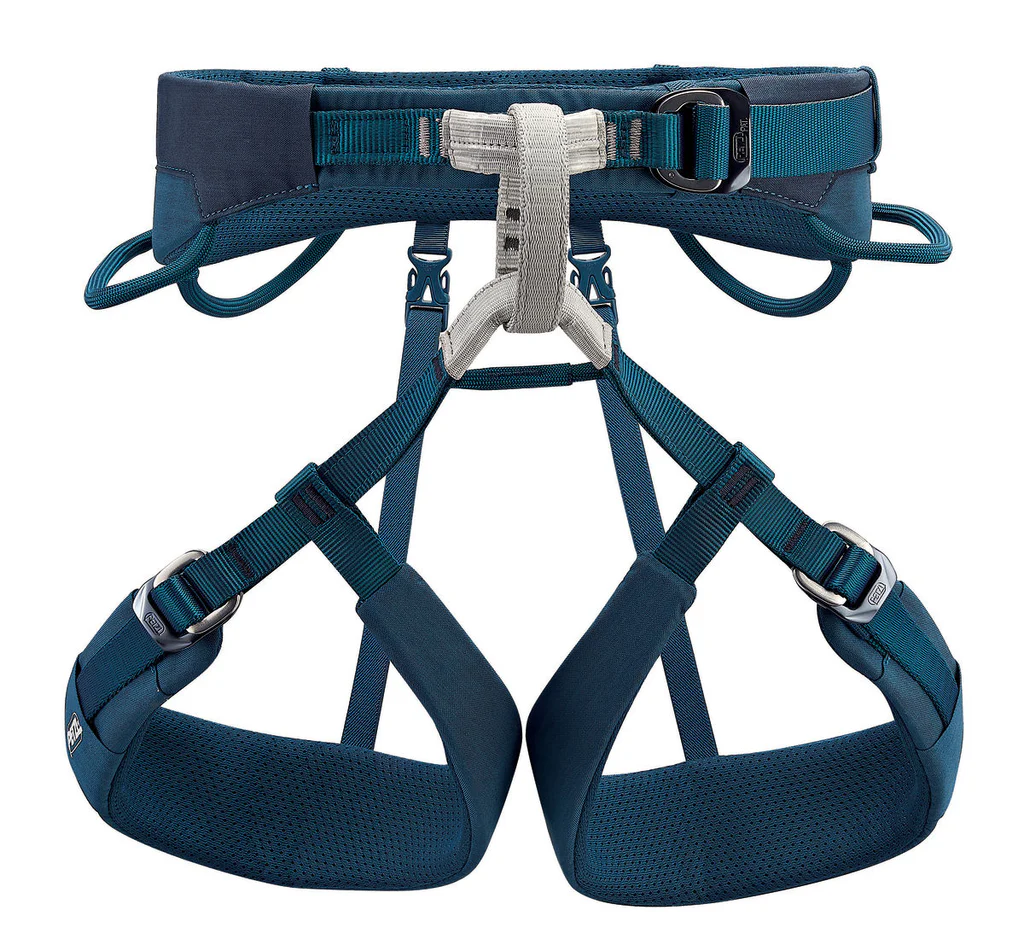
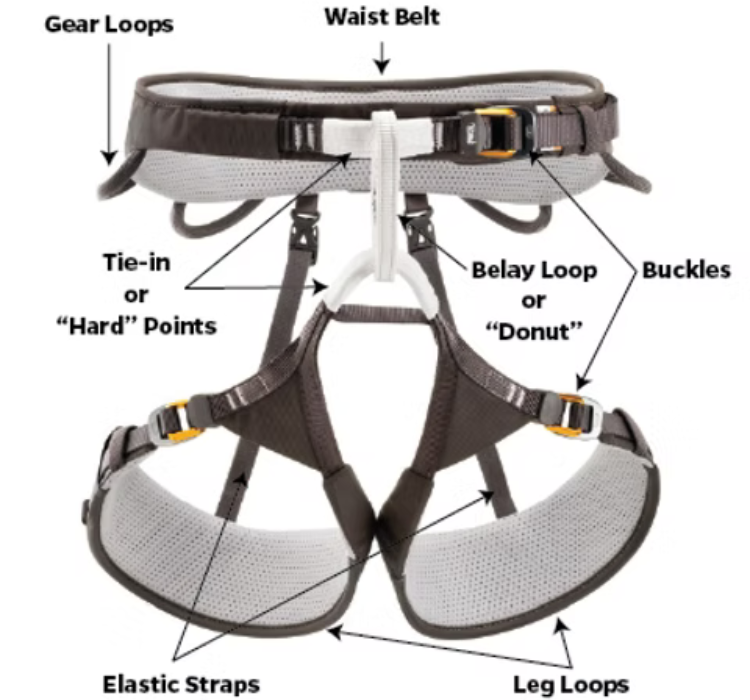
An adjustable alpine harness allows a secure fit over multiple layers, with adjustable waist belt and leg loops. A slightly thicker waist belt is recommended for better comfort and support during longer hanging or belaying. Lightweight and durable, it is essential for safe climbing and glacier travel.
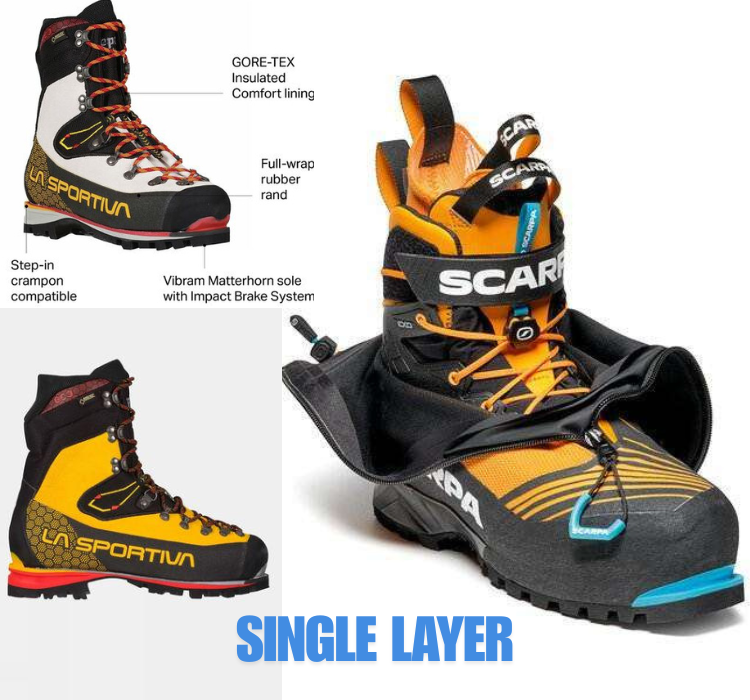
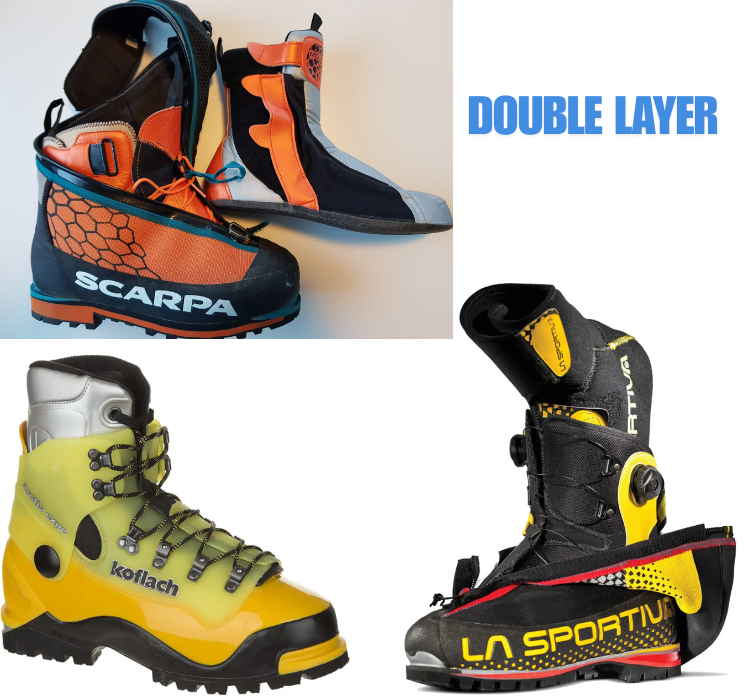
Mountaineering boots are critical for performance and safety in high-altitude environments, offering insulation, protection, and precise support on snow, ice, and mixed terrain. All boots must be compatible with crampons and suitable for cold, technical conditions. Recommend using B3 category boots, which are fully rigid and designed for technical mountaineering.
For November to March, we strongly recommend double-layer high-altitude boots such as La Sportiva G2 Evo or G2 SM for optimal thermal protection. Advanced single-layer options like Scarpa Phantom 6000, La Sportiva Nepal, or Cube may be used depending on conditions and individual experience.
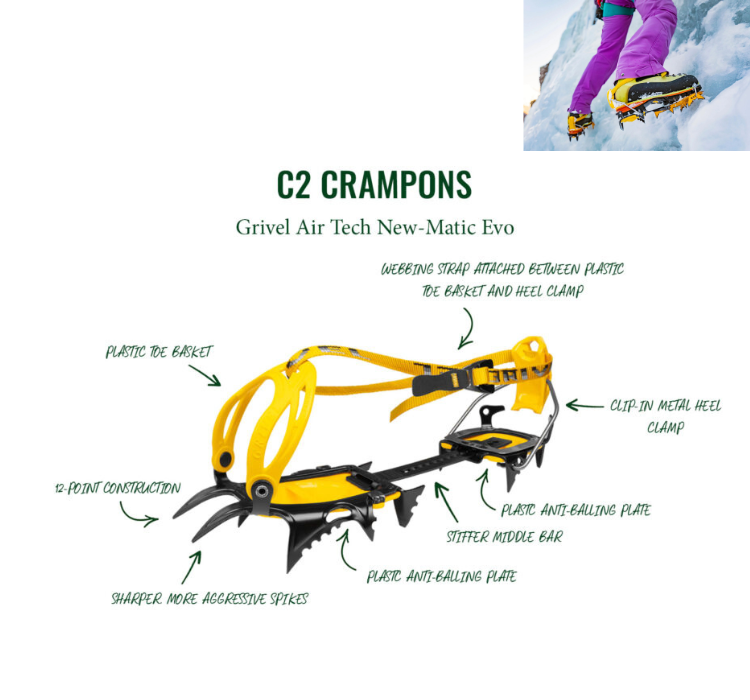
Crampons provide essential traction on snow and ice, allowing safe movement in alpine terrain. For mountaineering, C2 (semi-automatic) crampons are recommended for versatility and stability. For Technical ice climbing, C3 (automatic) crampons are preferred, offering a rigid fit and maximum precision.
Recommended models include:
Petzl Vasak, Petzl Sarken, Black Diamond Sabretooth, Grivel G12 (mountaineering)
Petzl Lynx, Black Diamond Cyborg, Grivel G14 (ice climbing)
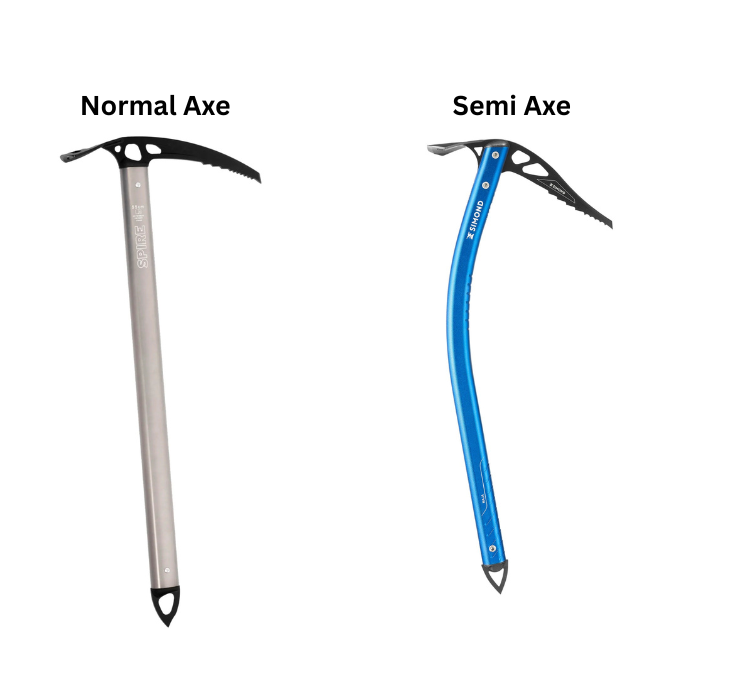
An ice axe is a key mountaineering tool used for balance, self-arrest, and climbing on snow and ice. It helps stop a fall, secure movement on steep slopes, and assist in step cutting when needed. For general mountaineering, a semi-technical ice axe is recommended, while a classic mountaineering axe is suitable for standard routes and training.
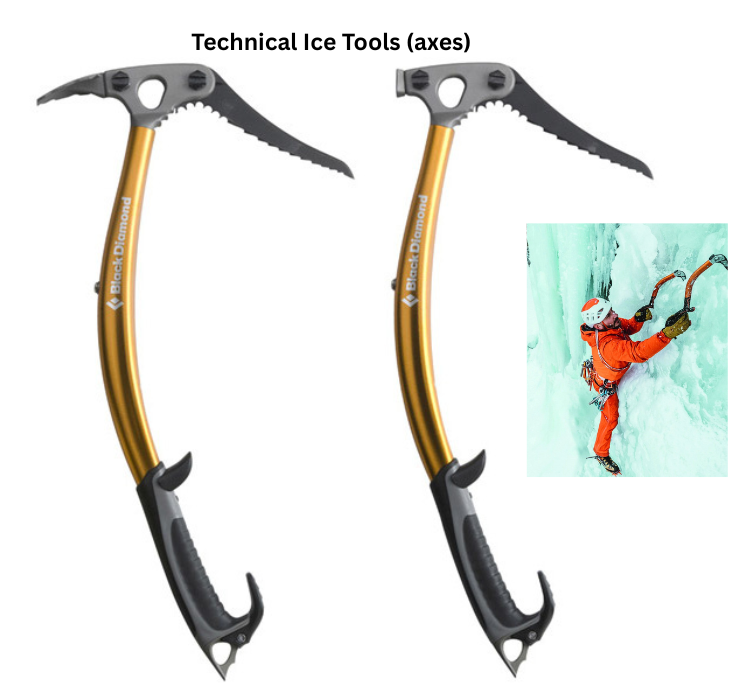
For more Technical terrain, Ice climbing tools are required. These are shorter and more curved, designed for steep and vertical ice, and used in pairs for better control and precision.
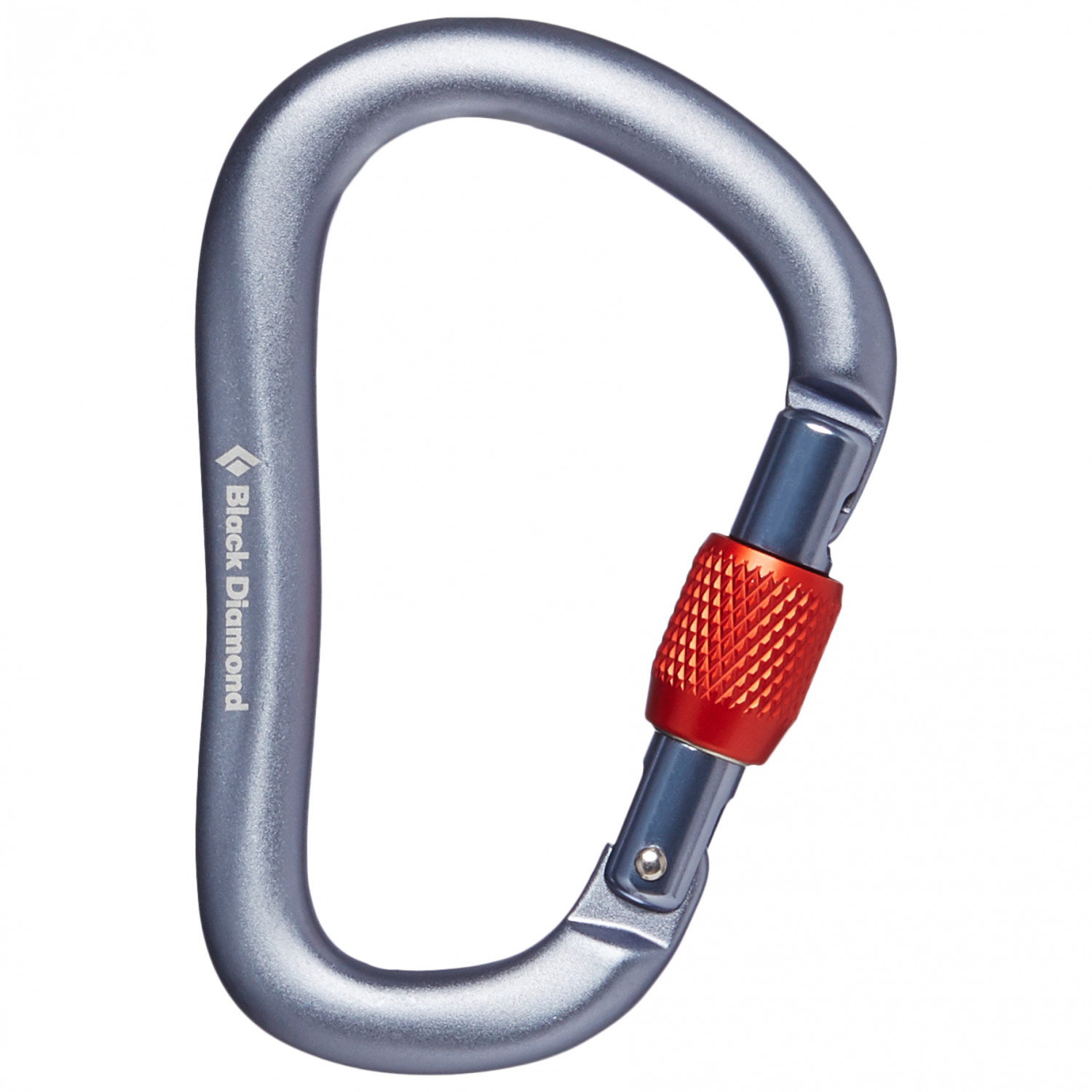
HMS Carabiner
A wide pear-shaped locking carabiner designed for belaying, rappelling, and tying a Munter hitch. Strong, secure, and essential for safe rope handling in climbing and mountaineering.
Required: 4 pcs
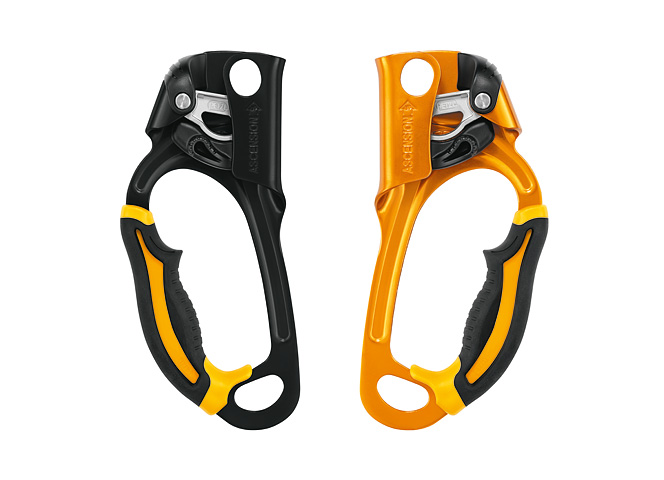
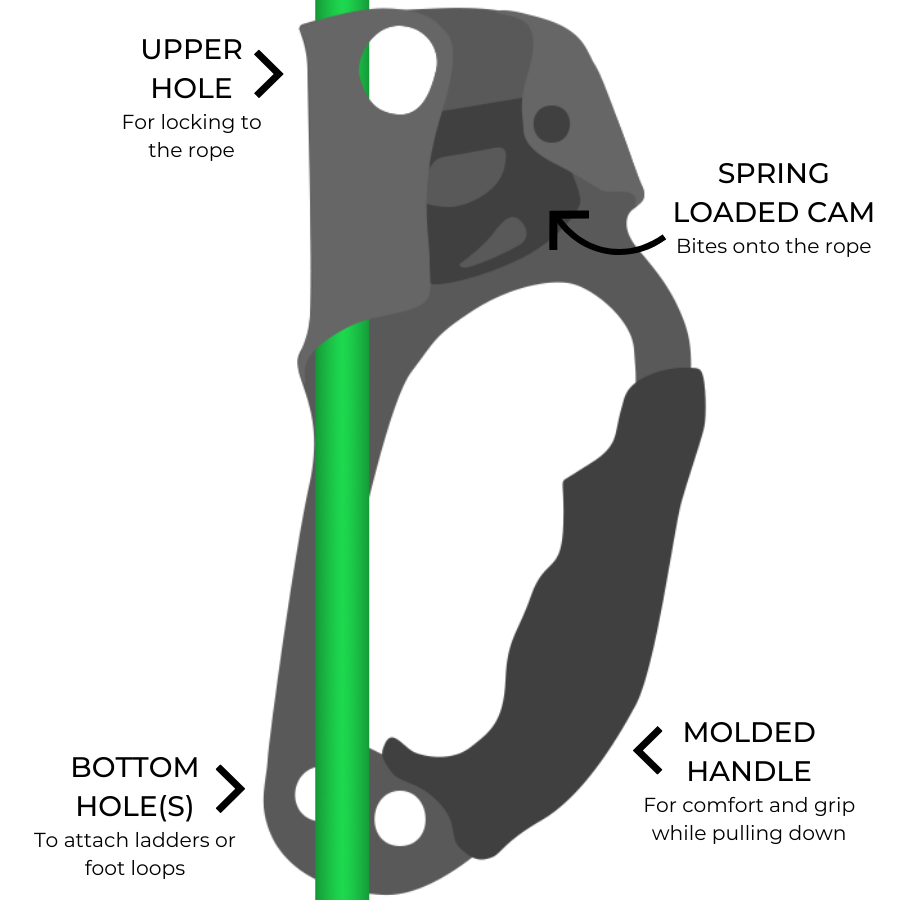
A jumar is a mechanical climbing device used to ascend a rope. It features a cam that grips the rope when weighted, allowing safe and efficient movement on fixed ropes and steep terrain.
Jumars are designed specifically for left-hand and right-hand use, and it is important to use the correct one in each hand for proper technique and safety. Typically, climbers use one in each hand for balance and efficient upward movement during mountaineering and rope work.
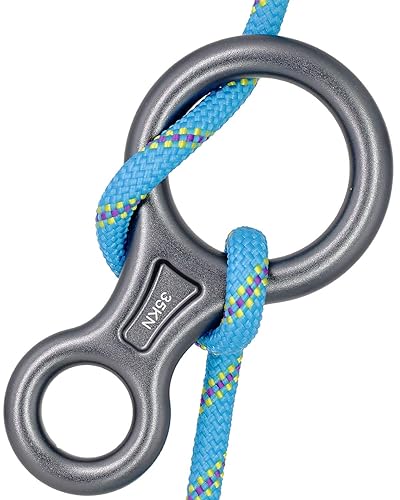
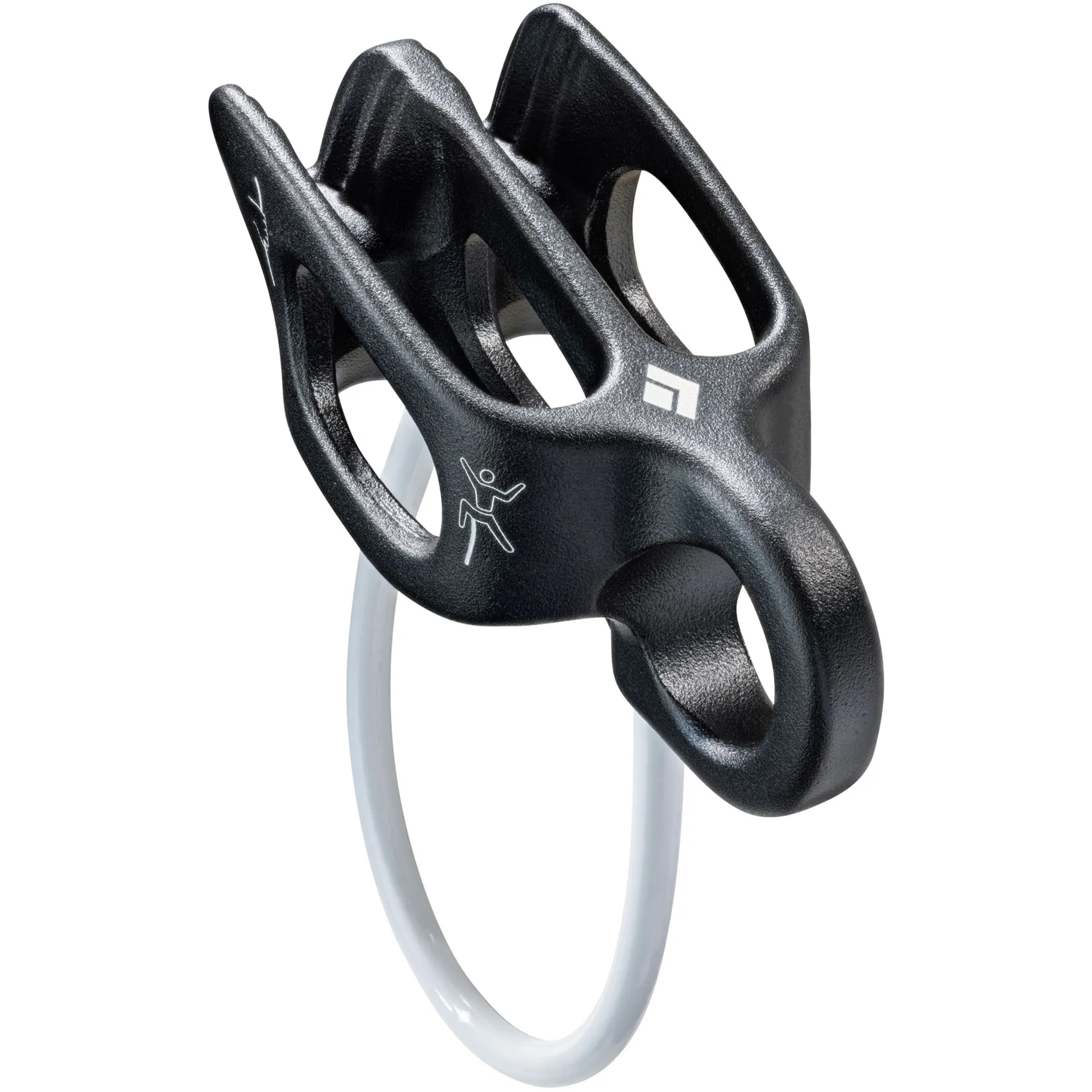
A compact metal device used to control the rope during belaying or rappelling. It provides friction to safely manage a climber’s fall, lower a partner, or descend in a controlled manner. Suitable for both single and double ropes depending on the device type.
You may choose a device that you are most comfortable using, such as an ATC Guide (with guide mode) or a Figure of Eight.
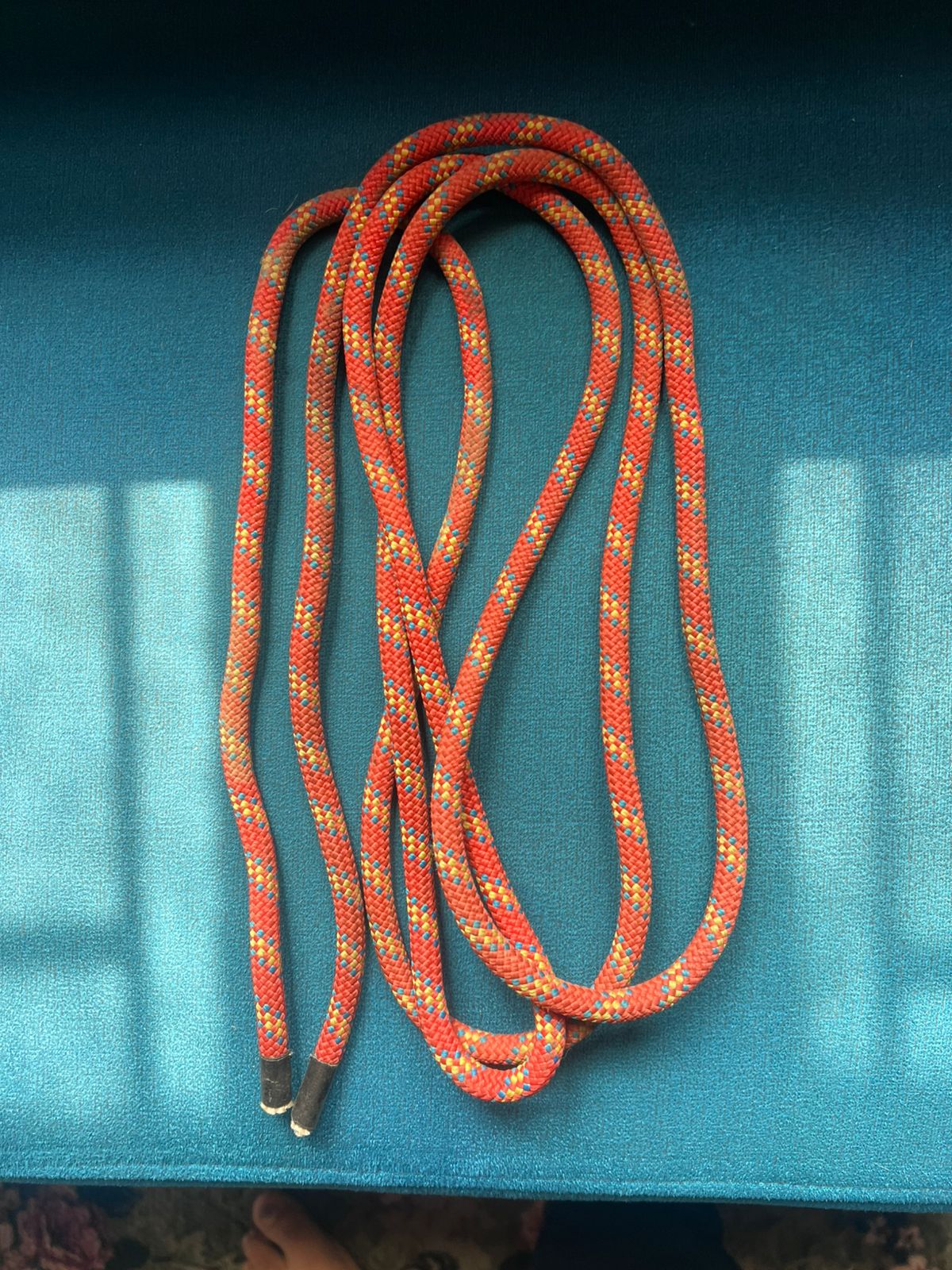
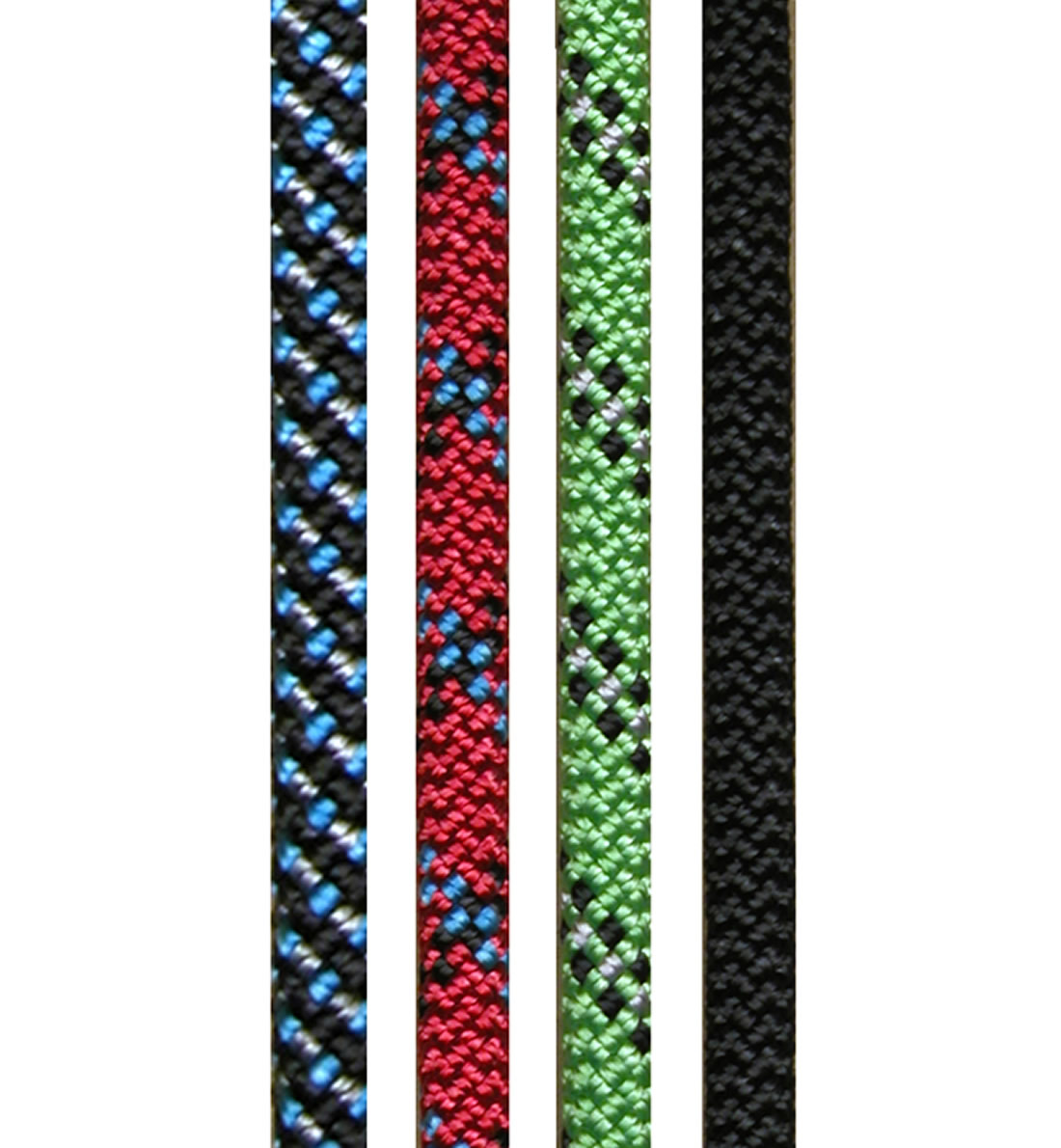
3 m long 8–9 mm dynamic rope for personal use, and a short rope for safety backup during jumaring and technical sections.
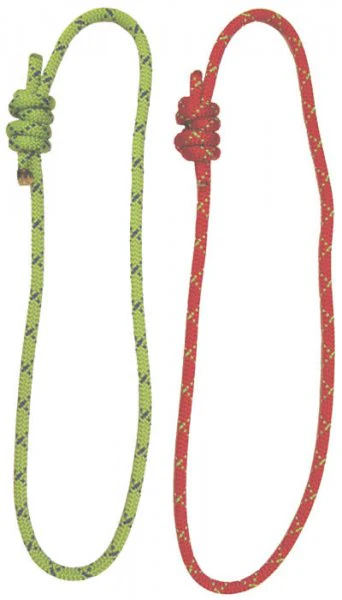
Prusik Rope – Small-diameter cord used for backup, ascending, self-rescue, or creating friction on a fixed rope. 5 meters around
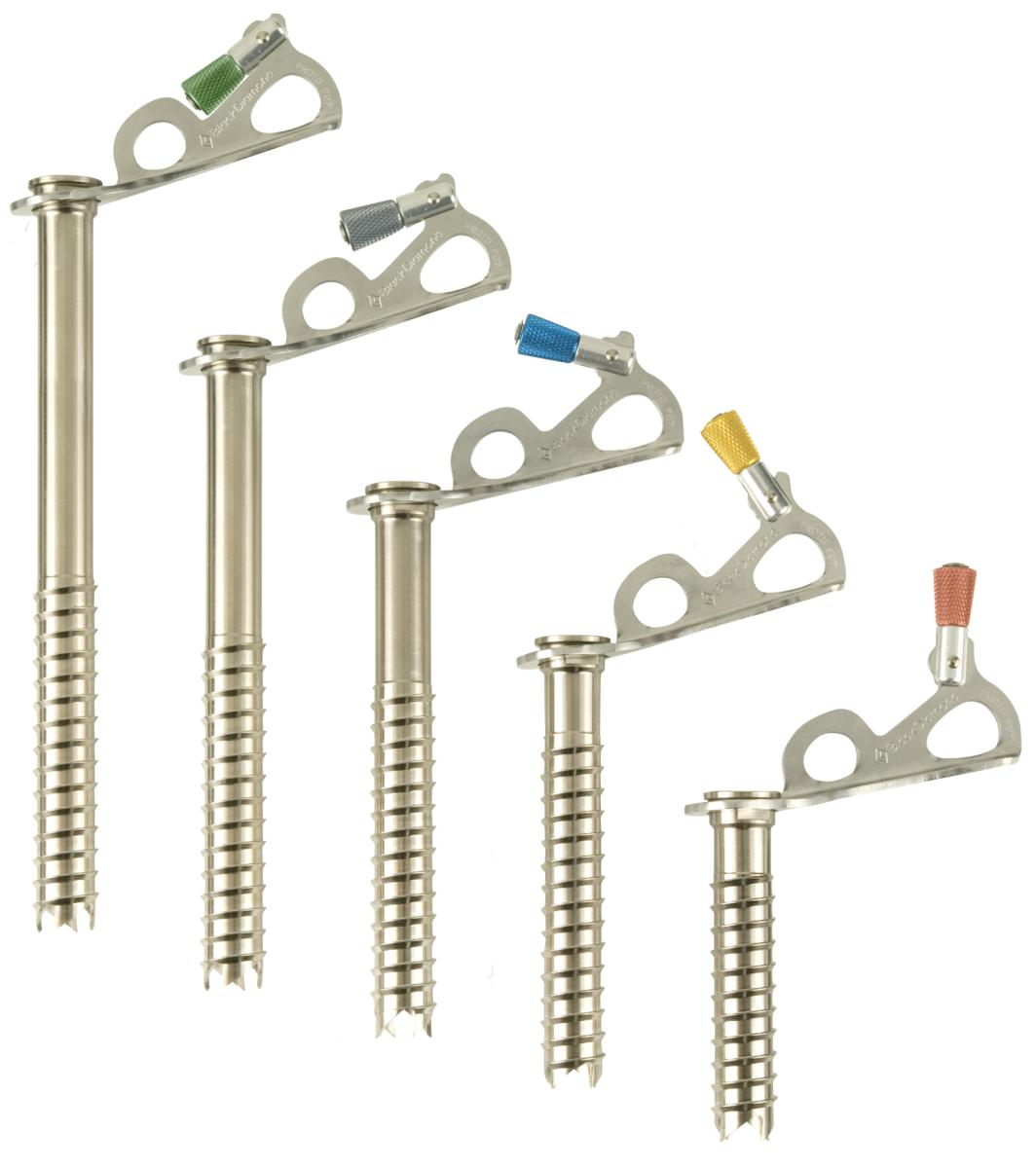
A tubular screw used to create secure anchors in ice for protection or belaying during climbing.
Size: 20–22 cm
Required: 1–2 pcs
Recommended Brands: Black Diamond, Petzl
25 Days